
Complete Guide to Wintergreen Oil
Introduction
Wintergreen oil, derived from the leaves of the Gaultheria procumbens plant, has been a staple in traditional medicine and aromatherapy for centuries. Known for its distinctive minty aroma and therapeutic properties, wintergreen oil is particularly popular in various wellness applications. This guide aims to provide a comprehensive overview of wintergreen oil, including its origins, benefits, uses, safety considerations, and more.
What Is Wintergreen Oil?
Wintergreen oil is an essential oil extracted from the leaves of the wintergreen plant, a small evergreen shrub native to North America. The extraction process typically involves steam distillation or solvent extraction, resulting in a potent oil rich in active compounds. The primary chemical component of wintergreen oil is methyl salicylate, which gives it its characteristic scent and therapeutic properties.
The wintergreen plant, often found in wooded areas, grows to about 10-30 centimeters in height and features glossy, dark green leaves and small, white flowers. The oil has a long history of use among Indigenous peoples in North America and has found its way into modern wellness practices as an essential oil.
Key Benefits and Properties
Wintergreen oil is renowned for several beneficial properties, largely attributed to its active compounds. Some of the key benefits include:
- Anti-inflammatory: Methyl salicylate, the primary component, is known for its anti-inflammatory effects. This property makes wintergreen oil a popular choice for topical applications aimed at reducing muscle soreness and joint pain.
- Analgesic: Due to its pain-relieving qualities, wintergreen oil is commonly used in formulations intended to alleviate discomfort from sore muscles and minor aches.
- Antimicrobial: The oil exhibits certain antimicrobial properties, which can help in reducing the growth of bacteria and fungi.
- Aromatherapy: The invigorating aroma of wintergreen oil is often utilized to uplift mood and promote mental clarity.
- Respiratory Support: The fresh scent can aid in clearing nasal passages and may provide a soothing effect for respiratory discomfort.
- Topical formulations: Many massage oils and balms contain wintergreen oil for its soothing properties. It is often blended with carrier oils like jojoba or coconut oil for safe application on the skin.
- Aromatherapy blends: The oil is frequently added to diffusers or personal inhalers to enhance focus and reduce stress.
- Cosmetic products: Due to its pleasant scent, wintergreen oil is utilized in various personal care products, including lotions, creams, and shampoos.
- Household cleaners: The antimicrobial properties make wintergreen oil a natural choice for inclusion in cleaning products.
- Flavoring agent: In small quantities, it is sometimes used as a flavoring in candies, gums, and medicinal products.
- Diffusion: Add a few drops of wintergreen oil to a diffuser to fill a room with its uplifting aroma. This can help improve concentration and create a refreshing atmosphere.
- Inhalation: For a quick pick-me-up, place a drop or two on a tissue and inhale deeply. This method provides immediate access to its aromatic benefits.
- Massage: When blended with a carrier oil, wintergreen oil can be applied in massage to relieve muscle tension and promote relaxation.
- Bath: Adding a few drops of wintergreen oil to a warm bath can create a soothing, aromatic experience.
- Dilution: Wintergreen oil is highly concentrated and should always be diluted with a carrier oil before applying it to the skin. A common dilution ratio is 2-3 drops of essential oil per teaspoon of carrier oil.
- Sensitivity: Some individuals may experience skin irritation or allergic reactions. It is advisable to conduct a patch test before widespread use.
- Ingestion: Wintergreen oil should not be ingested in large quantities, as it can be toxic in high doses. Always consult with a healthcare professional before using essential oils internally.
- Pregnancy and Nursing: Pregnant or nursing individuals should exercise caution and consult a qualified healthcare provider before using wintergreen oil.
- Children: Due to its potency, wintergreen oil should be used with caution around children. It is generally recommended to avoid using it on children under the age of 2.
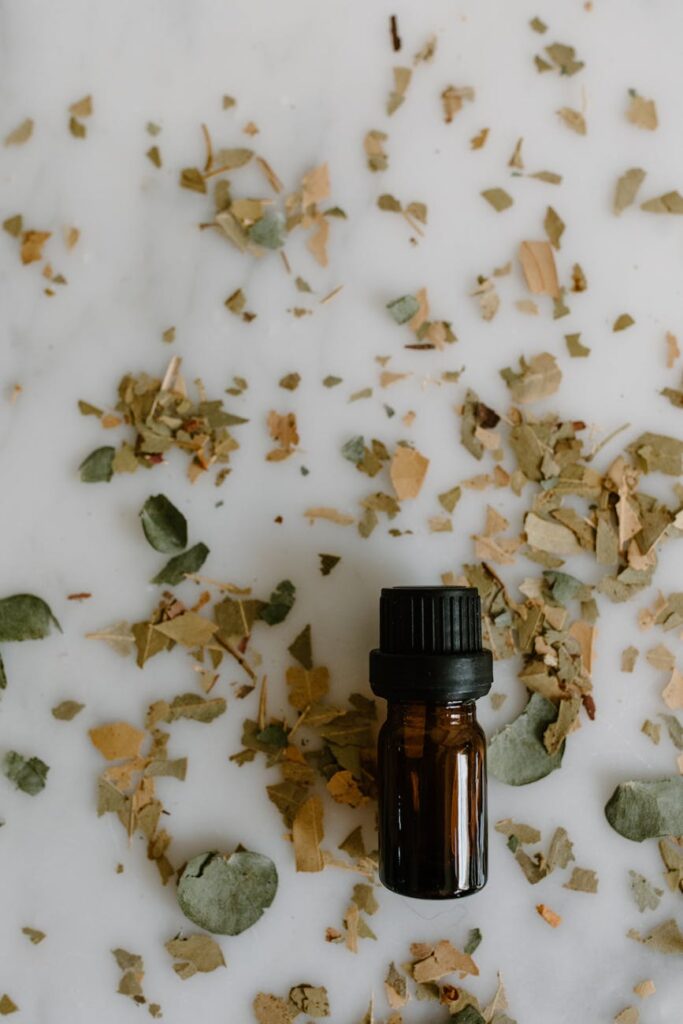
- Container: Store wintergreen oil in a dark glass bottle to protect it from light, which can degrade the oil.
- Temperature: Keep the oil in a cool, dry place away from direct sunlight and heat sources.
- Shelf Life: When stored correctly, wintergreen oil can last for several years. However, it is best to check for any changes in smell or appearance before use, as these can indicate that the oil has degraded.
Common Uses
Wintergreen oil is versatile and can be used in various applications, including:
Aromatherapy Applications
In aromatherapy, wintergreen oil is valued for its invigorating and refreshing scent. It can be used in various ways to enhance emotional well-being and create a calming environment. Some popular applications include:
Safety Considerations
While wintergreen oil offers numerous benefits, it is essential to use it responsibly. Here are some important safety considerations:
Storage and Shelf Life
Proper storage is crucial for maintaining the quality and efficacy of wintergreen oil. Here are some guidelines:
Frequently Asked Questions
1. What is the difference between wintergreen oil and peppermint oil?
Wintergreen oil comes from the leaves of the Gaultheria procumbens plant and has a sweet, minty aroma primarily due to methyl salicylate. Peppermint oil, derived from the Mentha piperita plant, has a more cooling sensation and contains menthol as its major component. Both oils have distinct properties and uses in aromatherapy and wellness.
2. Can wintergreen oil be used in cooking?
While wintergreen oil can be used as a flavoring agent in very small quantities, it is advisable to consult a qualified professional before using it in culinary applications. Essential oils are highly concentrated, and improper use can lead to adverse effects.
3. Is wintergreen oil safe for pets?
Wintergreen oil may not be safe for pets, particularly cats and dogs, due to its potency. Always consult a veterinarian before using any essential oils around animals.
4. Can wintergreen oil help with headaches?
While wintergreen oil is often used in topical applications for pain relief, its effectiveness for headaches can vary from person to person. It is best used as part of a broader approach to headache management.
5. Where can I buy wintergreen oil?
Wintergreen oil is widely available in health food stores, specialty retailers, and online. Ensure you purchase from a reputable supplier to guarantee the quality and purity of the oil.
Conclusion
Wintergreen oil is a remarkable essential oil with a rich history and a multitude of applications. Its refreshing aroma and therapeutic properties make it a valuable addition to any wellness routine. However, it is essential to use wintergreen oil responsibly, taking into account safety considerations and proper storage techniques. Whether in aromatherapy, topical applications, or household products, wintergreen oil continues to be a beloved choice for many seeking the benefits of nature’s bounty.