
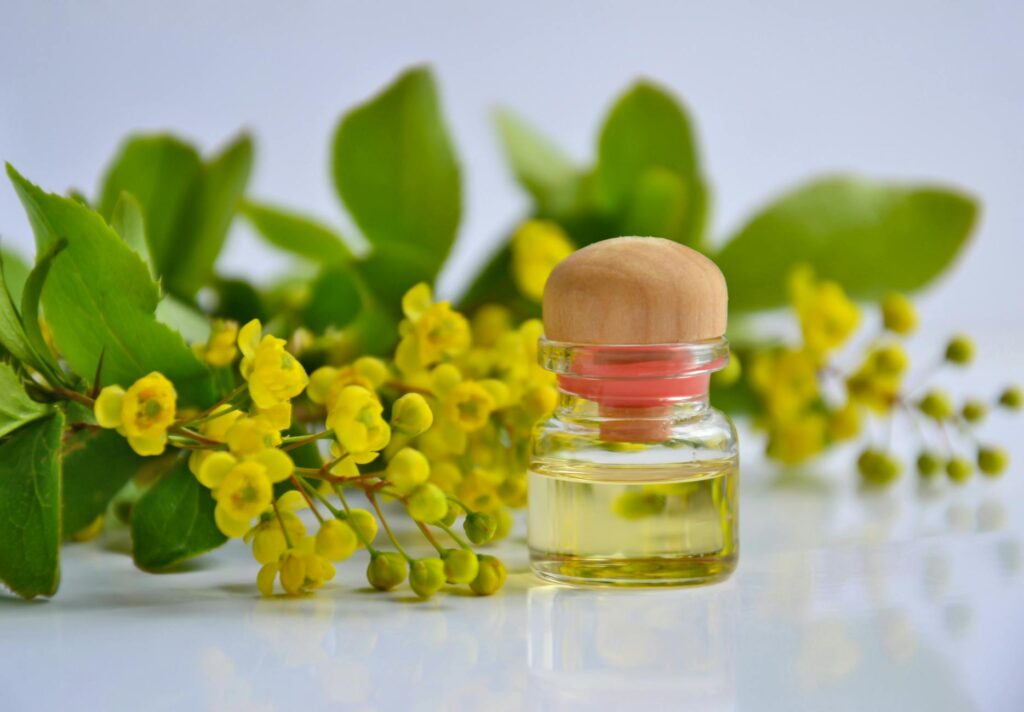
Complete Guide to Woodsy Extracts
Introduction
Woodsy extracts, derived from the bark, leaves, roots, and wood of various trees and plants, have been celebrated for centuries in various cultures for their unique aromatic properties and potential benefits. These extracts not only evoke a sense of the great outdoors but also play a significant role in aromatherapy, natural perfumery, and holistic wellness. This guide aims to explore the diverse world of woodsy extracts, highlighting their characteristics, benefits, applications, and safety considerations.
What Is Woodsy Extracts?
Woodsy extracts refer to essential oils and other aromatic compounds obtained from trees and woody plants. Common sources of woodsy extracts include cedarwood, sandalwood, pine, fir, and cypress. These extracts are typically steam-distilled or cold-pressed from various parts of the plant, resulting in concentrated oils that capture the essence of the wood.
The term “woodsy” encompasses a range of scents that can be described as earthy, grounding, and calming. These fragrances often evoke feelings of tranquility and connection to nature, making them popular in a variety of applications.
Key Benefits and Properties
Woodsy extracts possess a range of properties that make them valuable in both aromatherapy and natural products. Some of the key benefits include:
- Grounding Effects: Woodsy scents are often associated with grounding and centering qualities. They can help create a serene atmosphere, promoting relaxation and emotional stability.
- Antimicrobial Properties: Many woodsy extracts, such as cedarwood and pine, have been studied for their potential antimicrobial properties. They may help purify the air and create a healthier indoor environment.
- Mood Enhancement: The calming aroma of woodsy extracts can positively impact mood, reducing stress and anxiety. They can help create a peaceful ambiance conducive to meditation and mindfulness practices.
- Insect Repellent: Certain woodsy oils, including cedarwood and eucalyptus, are known for their ability to repel insects, making them a natural alternative to synthetic repellents.
- Skin Benefits: Some woodsy extracts possess properties that may benefit the skin, particularly in formulations for oily or problematic skin types.
- Aromatherapy: Many people use woodsy essential oils in diffusers or during massage therapy to promote relaxation and emotional balance.
- Natural Perfumes: The rich and complex scents of woodsy extracts make them popular ingredients in natural perfumes and colognes.
- Household Products: Woodsy extracts can be found in cleaning products, candles, and air fresheners due to their pleasant aroma and potential antibacterial properties.
- Personal Care: Many skincare and hair care products incorporate woodsy extracts for their aromatic qualities and potential benefits for skin and scalp health.
- Cultural Practices: In some cultures, woodsy extracts are used in rituals, incense, and ceremonies, symbolizing connection to nature and spirituality.
- Diffusion: Adding a few drops of woodsy essential oils to a diffuser can help purify the air and create a serene atmosphere. Popular choices for diffusion include cedarwood, sandalwood, and pine.
- Massage Blends: Woodsy extracts can be blended with carrier oils for massage therapy. Their calming effects may enhance relaxation and ease muscle tension.
- Bath Products: Incorporating woodsy essential oils into bath products, such as bath salts or oils, can create a soothing experience, promoting relaxation and stress relief.
- Meditation and Mindfulness: Using woodsy scents during meditation can help deepen the practice, providing a sense of connection to nature and enhancing focus.
- Dilution: Always dilute essential oils with a carrier oil before applying them to the skin. This helps avoid potential irritation.
- Patch Test: Conduct a patch test by applying a diluted solution to a small area of skin to check for any adverse reactions before widespread use.
- Avoid Ingestion: Woodsy essential oils are typically not intended for internal use unless specifically labeled as food-grade. Always consult a qualified expert before considering ingestion.
- Pregnancy and Health Conditions: Pregnant individuals or those with specific health conditions should consult a healthcare professional before using essential oils.
- Storage: Store woodsy extracts in a cool, dark place away from direct sunlight to preserve their potency.
- Storage Containers: Store essential oils in dark glass bottles to protect them from light exposure, which can degrade their quality.
- Temperature: Keep oils in a cool environment, ideally between 60°F and 75°F (15°C to 24°C). Extreme temperatures can alter the chemical composition of the oils.
- Shelf Life: The shelf life of woodsy extracts can vary depending on the specific oil. Generally, most essential oils have a shelf life of 1 to 3 years when stored properly. Always check for any changes in scent, color, or viscosity before use.
- Common woodsy essential oils include cedarwood, sandalwood, pine, cypress, and fir.
- While some woodsy extracts are considered safe for culinary use (like certain types of cedarwood), most essential oils are not intended for ingestion. Always check for food-grade labeling and consult a professional if unsure.
- Some woodsy essential oils can be used around children, but it is essential to dilute them properly and consult a healthcare professional for guidance based on the child’s age and health conditions.
- You can use woodsy essential oils in diffusers, create homemade cleaning products, or make scented candles to bring the calming scents of woodsy extracts into your living space.
- Individuals with specific allergies, skin sensitivities, or health conditions should consult a healthcare professional before using essential oils. Pregnant individuals should also seek advice before use.
Common Uses
Woodsy extracts are versatile and can be used in various applications, including:
Aromatherapy Applications
In aromatherapy, woodsy extracts are often used to create calming and grounding environments. Some common applications include:
Safety Considerations
While woodsy extracts offer many benefits, it is essential to use them safely. Here are some safety tips:
Storage and Shelf Life
Proper storage of woodsy extracts is crucial to maintaining their quality and efficacy. Here are some guidelines:
Frequently Asked Questions
1. What are some popular woodsy essential oils?
2. Can woodsy essential oils be used in cooking?
3. Are woodsy extracts safe for children?
4. How can I incorporate woodsy extracts into my home?
5. Are there any contraindications for using woodsy extracts?
Conclusion
Woodsy extracts have long been cherished for their grounding and calming properties. From aromatherapy to natural perfumery, these oils offer a myriad of applications that connect us with nature and promote overall well-being. By understanding their benefits, uses, and safety considerations, you can effectively incorporate woodsy extracts into your daily routine, enriching your life with their earthy essence.