
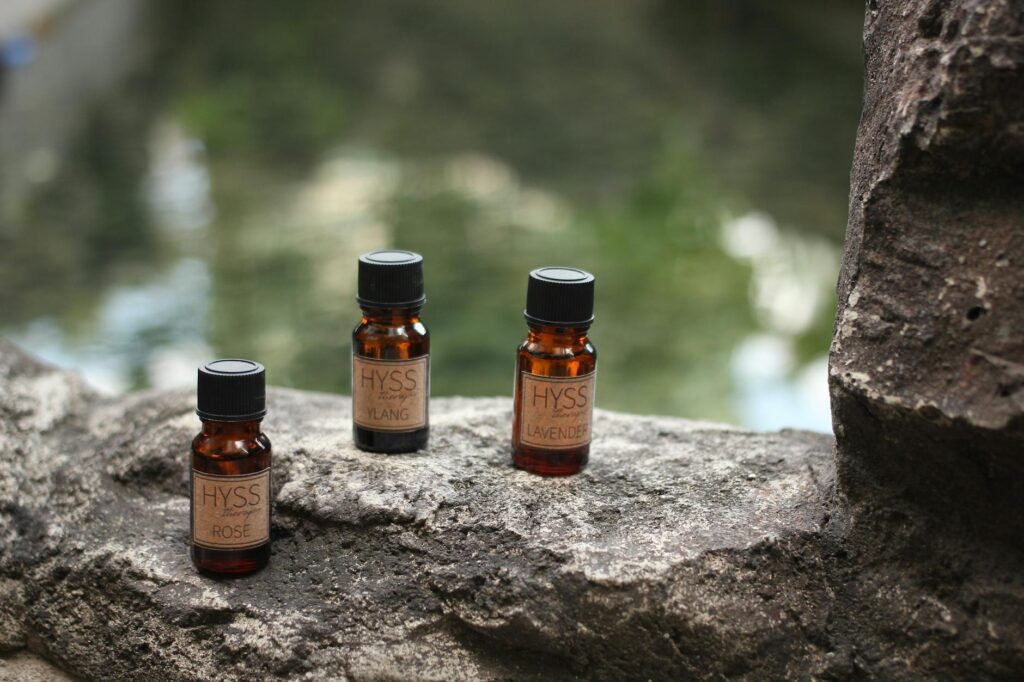
Complete Guide to Ylang Ylang Oil Part 1
Introduction
Ylang ylang oil, derived from the flowers of the Cananga odorata tree, is a highly regarded essential oil in the world of aromatherapy and natural wellness. Known for its exotic floral scent, it has captivated the senses of many for centuries. This guide aims to provide comprehensive insights into ylang ylang oil, including its properties, benefits, applications, and safe usage.
What Is Ylang Ylang Oil?
Ylang ylang oil is extracted from the bright yellow flowers of the ylang ylang tree, native to tropical regions of Asia, particularly the Philippines and Indonesia. The name “ylang ylang” translates to “flower of flowers,” reflecting its fragrant and delicate nature. The oil is typically obtained through steam distillation, and its quality can vary based on the distillation process and the part of the flower used.
The oil is categorized into different grades based on the distillation duration:
- Extra: The first fraction, characterized by its sweet and floral aroma, often used in high-end perfumes.
- I: The second fraction, also sweet but slightly less intense than the extra grade.
- II: The third fraction, which is more herbal and less floral.
- III: The final fraction, often used in industrial applications and less valued in aromatherapy.
- Aromatherapy Support: Known for its calming and uplifting effects, ylang ylang oil is often employed to alleviate stress and anxiety.
- Mood Enhancement: Its sweet fragrance has been associated with mood-lifting properties, often helping to reduce feelings of sadness and promote emotional balance.
- Skin Health: The oil is thought to have balancing properties, making it suitable for various skin types, including oily and dry skin.
- Hair Care: Ylang ylang oil is used in hair care products for its potential to promote healthy hair growth and balance oil production on the scalp.
- Aromatherapy Diffusion: Adding a few drops to a diffuser can create a calming environment, perfect for meditation or relaxation.
- Massage Oil: When diluted with a carrier oil, ylang ylang can be used for soothing massages that promote relaxation.
- Skin Care: It can be incorporated into lotions and creams or diluted in a carrier oil for direct application to the skin.
- Hair Products: Ylang ylang oil can be added to shampoos or conditioners to enhance hair health and shine.
- Lavender: Together, they create a soothing and calming blend, ideal for promoting relaxation and restful sleep.
- Bergamot: This combination is uplifting and helps to alleviate stress and anxiety.
- Sandalwood: The grounding properties of sandalwood complement ylang ylang’s floral notes, creating a balanced and harmonious aroma.
- Diffusion: Add a few drops to an essential oil diffuser to fill your space with its aroma.
- Inhalation: Inhale directly from the bottle or place a drop on a tissue for immediate effects.
- Topical Application: Always dilute ylang ylang oil with a carrier oil before applying it to the skin to avoid irritation.
- Skin Sensitivity: Some individuals may experience skin irritation when using ylang ylang oil. It is advisable to conduct a patch test by applying a diluted form on a small area of skin before full application.
- Pregnancy and Nursing: Pregnant or nursing individuals should consult a healthcare professional before using ylang ylang oil.
- Allergies: Those with allergies to plants in the Annonaceae family should exercise caution and consult with a healthcare provider before use.
- Container: Store the oil in a dark glass bottle to protect it from light, which can degrade its quality over time.
- Temperature: Keep the oil in a cool, dry place, away from direct sunlight and heat sources.
- Shelf Life: When stored properly, ylang ylang oil can last for several years. However, it is advisable to check for any changes in aroma or appearance, as these can indicate that the oil has expired.
Key Benefits and Properties
Ylang ylang oil is celebrated for its diverse range of properties that contribute to its popularity in aromatherapy and personal care. Some of its key benefits include:
Common Uses
Ylang ylang oil can be utilized in a variety of ways, making it a versatile addition to any essential oil collection. Common uses include:
Aromatherapy Applications
In aromatherapy, ylang ylang oil is often blended with other essential oils to create synergistic effects. Some popular combinations include:
To use ylang ylang oil in aromatherapy, consider these methods:
Safety Considerations
While ylang ylang oil is generally considered safe for most individuals, it is crucial to observe safety guidelines to ensure proper use:
Storage and Shelf Life
To maintain the potency and quality of ylang ylang oil, proper storage is vital. Here are some recommendations:
Frequently Asked Questions
1. Is ylang ylang oil safe for children?
Ylang ylang oil can be used with children, but it should be diluted significantly and applied with caution. It is always best to consult with a healthcare professional before using any essential oils on children.
2. Can ylang ylang oil be ingested?
Ingesting essential oils is generally not recommended unless under the supervision of a qualified healthcare professional. Ylang ylang oil should primarily be used for topical application or aromatherapy.
3. What is the best way to use ylang ylang oil for skin?
For topical use, ylang ylang oil should be diluted with a carrier oil, such as coconut or jojoba oil, before applying it to the skin. This helps to reduce the risk of irritation.
4. How does ylang ylang oil affect mood?
Ylang ylang oil is associated with uplifting and calming effects, making it beneficial for mood enhancement. Its sweet fragrance can help reduce feelings of stress and anxiety when used in aromatherapy.
5. Can ylang ylang oil be mixed with other essential oils?
Yes, ylang ylang oil blends well with many essential oils, including lavender, bergamot, and sandalwood. Experimenting with different combinations can yield pleasing aromatic results.
Conclusion
Ylang ylang oil is a multifaceted essential oil celebrated for its aromatic qualities and potential benefits in various applications. Understanding its properties, uses, and safety considerations is essential for anyone interested in incorporating this delightful oil into their wellness routine. Stay tuned for Part 2 of this guide, where we will delve deeper into advanced applications and formulations using ylang ylang oil.