
Complete Guide to Ylang Ylang Oil Part 11
Introduction
Ylang ylang oil, derived from the flowers of the Cananga odorata tree, has a long-standing history of use in traditional medicine and aromatherapy. Known for its sweet, floral fragrance, ylang ylang oil is a popular essential oil that has gained significant attention in both the wellness and beauty industries. This guide aims to provide a comprehensive overview of ylang ylang oil, exploring its properties, uses, and safety considerations.
What Is Ylang Ylang Oil?
Ylang ylang oil is an essential oil extracted from the blossoms of the ylang ylang tree, native to tropical regions of Asia, particularly Indonesia, the Philippines, and parts of Madagascar. The name “ylang ylang” is derived from the Tagalog word “ilang-ilang,” which means “flower of flowers.” The oil is typically obtained through steam distillation, with the first distillation yielding the most fragrant and high-quality oil, known as ylang ylang extra. Subsequent distillations produce ylang ylang I, II, and III, each with varying fragrance profiles and properties.
The unique chemical composition of ylang ylang oil includes various compounds, such as linalool, geranyl acetate, and benzyl acetate, which contribute to its distinct aroma and therapeutic properties.
Key Benefits and Properties
Ylang ylang oil possesses numerous benefits and properties that make it a valuable addition to aromatherapy and personal care routines. Some of the key attributes include:
- Relaxation and Stress Relief: Ylang ylang oil is known for its calming effects, making it popular in stress-relief practices. Its sweet scent can promote relaxation and emotional balance.
- Mood Enhancement: The oil is often used to uplift spirits and combat feelings of anxiety or depression. Its pleasant aroma can create a sense of euphoria, enhancing overall mood.
- Skin Care: Due to its anti-inflammatory and antiseptic properties, ylang ylang oil is sometimes incorporated into skin care products to help with various skin conditions, including acne and blemishes.
- Hair Health: Ylang ylang oil is believed to support healthy hair growth and improve overall scalp health. It may help regulate oil production and promote a balanced scalp.
- Aphrodisiac Qualities: Traditionally, ylang ylang oil has been regarded as an aphrodisiac, believed to enhance romance and intimacy.
- Aromatherapy Diffusion: A few drops of ylang ylang oil can be added to a diffuser to create a calming atmosphere, perfect for meditation, yoga, or relaxation.
- Massage Oil: When diluted with a carrier oil (such as jojoba or sweet almond oil), ylang ylang can be used for therapeutic massage, promoting relaxation and relieving tension in the muscles.
- Skincare Products: Ylang ylang oil can be incorporated into lotions, creams, and serums for its skincare benefits. It is often found in products designed for oily or acne-prone skin.
- Hair Care Formulations: Ylang ylang oil is used in shampoos, conditioners, and scalp treatments to support hair health and add a pleasant fragrance.
- Perfumes and Fragrances: The rich and exotic scent of ylang ylang makes it a popular ingredient in perfumes, providing a floral note that complements other fragrances.
- Calming Practices: When feeling overwhelmed or anxious, inhaling ylang ylang oil can help foster a sense of tranquility. It is often used in practices such as meditation, deep breathing exercises, and yoga.
- Mood Balancing Blends: Ylang ylang oil can be blended with other essential oils known for their uplifting properties, such as bergamot or sweet orange, to create customized mood-enhancing blends.
- Sleep Support: Incorporating ylang ylang oil into bedtime routines, either through diffusion or topical application, may promote relaxation and support restful sleep.
- Emotional Release: Ylang ylang oil can be used in emotional release practices, where individuals focus on their feelings while inhaling the oil deeply, allowing for processing and healing.
- Dilution: Always dilute ylang ylang oil with a carrier oil before applying it to the skin to prevent irritation or allergic reactions. A typical dilution ratio is 2-3 drops of essential oil per teaspoon of carrier oil.
- Patch Test: Conduct a patch test prior to widespread use on the skin to check for any adverse reactions. Apply a small amount of the diluted oil to a discreet area and wait 24 hours.
- Pregnancy and Nursing: Pregnant or nursing individuals should consult with healthcare professionals before using ylang ylang oil to ensure it is appropriate for their situation.
- Allergic Reactions: Individuals with allergies to flowers or plants in the Annonaceae family may be more susceptible to allergic reactions. If any irritation occurs, discontinue use immediately.
- Avoiding Ingestion: Ylang ylang oil is not intended for internal use. It should be kept out of reach of children and pets.
- Storage Conditions: Store ylang ylang oil in a cool, dark place, away from direct sunlight and heat sources. This helps prevent degradation and preserves the oil’s properties.
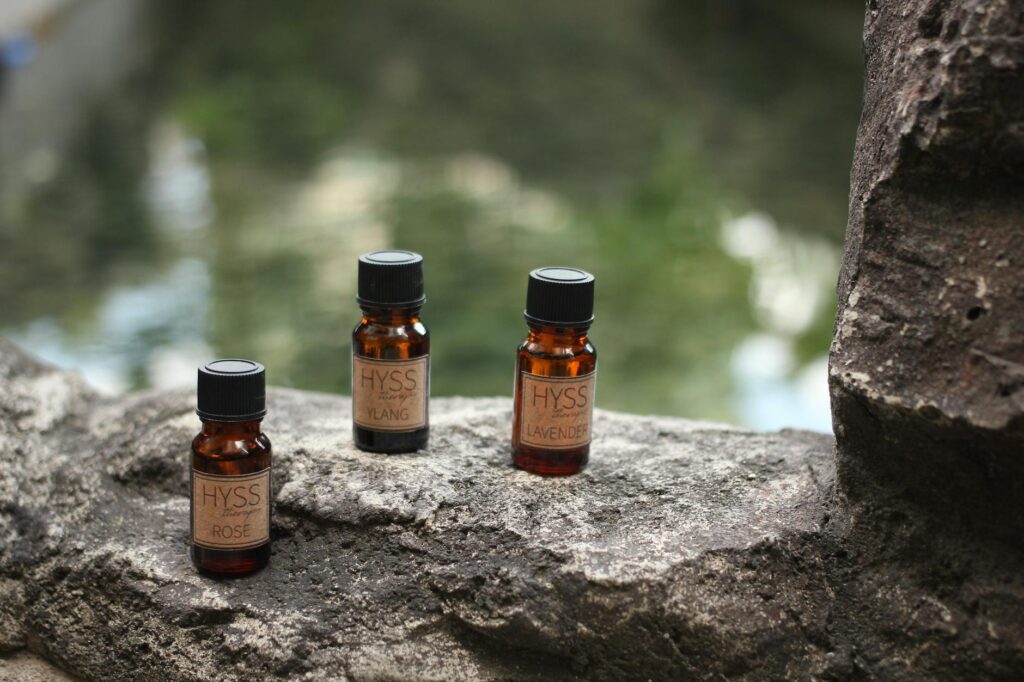
- Container: Use dark glass bottles (preferably amber or cobalt) to protect the oil from light exposure. Plastic containers should be avoided, as they may react with the oil.
- Shelf Life: When stored correctly, ylang ylang oil can have a shelf life of 2 to 3 years. However, it is advisable to check for any changes in aroma, color, or consistency, as these may indicate that the oil has degraded.
Common Uses
Ylang ylang oil can be utilized in multiple ways, catering to various preferences and needs. Some common uses include:
Aromatherapy Applications
In the realm of aromatherapy, ylang ylang oil is valued for its diverse applications, including:
Safety Considerations
While ylang ylang oil is generally considered safe for use, it is important to follow certain precautions:
Storage and Shelf Life
To maintain the quality and efficacy of ylang ylang oil, proper storage is essential. Here are some guidelines:
Frequently Asked Questions
1. Can ylang ylang oil be used on sensitive skin?
While ylang ylang oil can be beneficial for many skin types, individuals with sensitive skin should use it cautiously. Always dilute the oil with a carrier oil and conduct a patch test before applying it more broadly.
2. Is ylang ylang oil safe for children?
Ylang ylang oil may not be suitable for very young children or infants. Consult with a qualified aromatherapy practitioner or healthcare provider for personalized guidance.
3. How can I incorporate ylang ylang oil into my daily routine?
Ylang ylang oil can be added to your daily routine through various methods, including diffusion, topical application (with dilution), or incorporation into personal care products.
4. What other essential oils blend well with ylang ylang?
Ylang ylang oil blends well with several other essential oils, including bergamot, lavender, sandalwood, and sweet orange, creating harmonious aromatic combinations.
5. Can ylang ylang oil help with stress and anxiety?
Many individuals find ylang ylang oil helpful for promoting relaxation and reducing feelings of stress or anxiety. However, individual experiences may vary.
Conclusion
Ylang ylang oil is a versatile essential oil with a rich history and numerous applications in aromatherapy, skincare, and personal care. Its calming properties and delightful fragrance make it a cherished oil among enthusiasts and practitioners alike. By understanding its benefits, uses, and safety considerations, individuals can effectively incorporate ylang ylang oil into their routines to enhance well-being and create a harmonious living environment.