
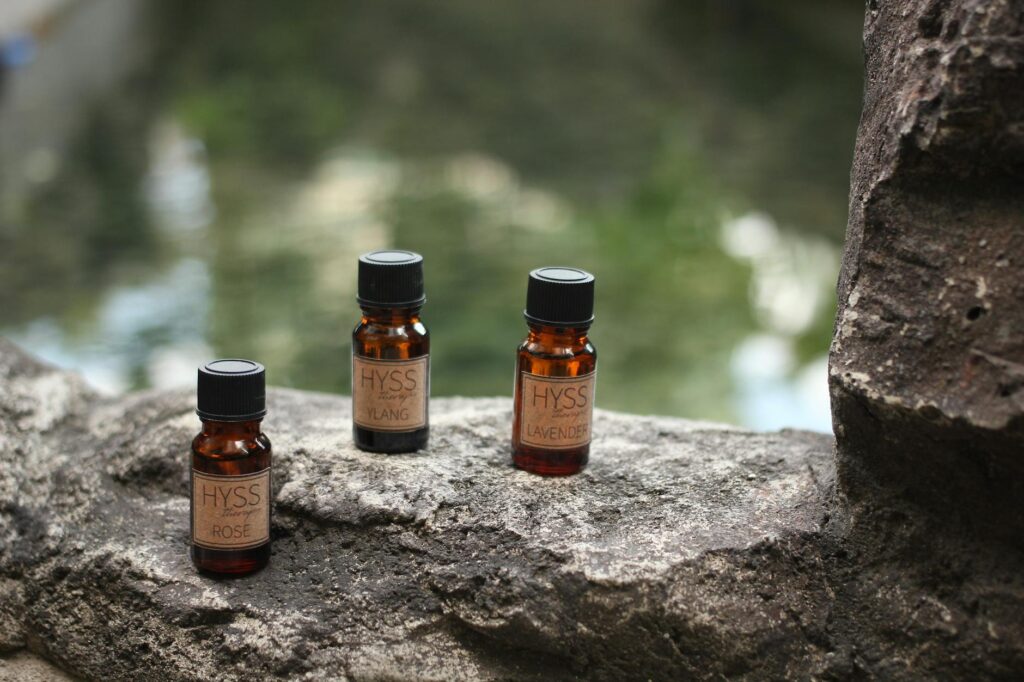
Complete Guide to Ylang Ylang Oil Part 13
Introduction
Ylang ylang oil, derived from the blossoms of the Cananga odorata tree, is celebrated for its rich, sweet floral aroma and versatile applications. This essential oil has been cherished in traditional practices for centuries and is widely used in modern aromatherapy and personal care products. This guide aims to provide a comprehensive overview of ylang ylang oil, exploring its properties, benefits, common uses, and safety considerations.
What Is Ylang Ylang Oil?
Ylang ylang oil is extracted from the yellow, star-shaped flowers of the ylang ylang tree, native to tropical regions of Asia, particularly the Philippines, Indonesia, and parts of Madagascar. The name “ylang ylang” translates to “flower of flowers” in Tagalog, reflecting its esteemed status in local culture.
The oil is extracted through a process called steam distillation, which captures the delicate aromatic compounds while preserving the integrity of the oil. Ylang ylang oil varies in quality and aroma depending on the distillation process and the part of the flower used. There are several grades of ylang ylang oil, with the first distillation being the most fragrant and often used in perfumery.
Key Benefits and Properties
Ylang ylang oil is recognized for its diverse range of properties, which include:
- Antidepressant: The uplifting scent of ylang ylang oil is believed to promote emotional well-being and alleviate feelings of anxiety and stress.
- Antiseptic: The oil possesses antiseptic qualities, making it useful in preventing infections in minor wounds and cuts.
- Anti-inflammatory: Ylang ylang oil may help reduce inflammation and soothe irritation when applied topically.
- Sedative: The calming effects of ylang ylang oil can promote relaxation, making it a popular choice for those seeking to unwind or enhance their meditation practices.
- Aphrodisiac: Traditionally, ylang ylang is considered an aphrodisiac, believed to enhance romantic feelings and intimacy.
- Perfumes and Fragrances: Due to its sweet, floral scent, ylang ylang oil is a popular ingredient in many perfumes and scented products.
- Skincare: The oil is included in skincare formulations for its antiseptic and anti-inflammatory properties, making it beneficial for acne-prone or irritated skin.
- Hair Care: Ylang ylang oil is often found in shampoos and conditioners, helping to balance oil production and promote healthy hair.
- Massage Oils: The calming properties of ylang ylang oil make it a favored choice in massage blends, often combined with carrier oils for relaxation.
- Candles and Diffusers: The oil can be used in aromatherapy diffusers or candles to create a soothing atmosphere.
- Diffusion: Adding a few drops of ylang ylang oil to a diffuser can fill a room with its uplifting aroma, promoting a calming atmosphere.
- Inhalation: Inhaling the scent directly from the bottle or using a personal inhaler can provide immediate stress relief and emotional support.
- Topical Application: When diluted with a carrier oil, ylang ylang can be applied to pulse points or massaged into the skin to enhance relaxation and promote emotional well-being.
- Bath Additive: Adding ylang ylang oil to a warm bath can create a luxurious and soothing experience, aiding in stress relief.
- Dilution: Always dilute ylang ylang oil with a carrier oil before applying it to the skin. This helps to prevent irritation and sensitivities.
- Patch Test: Before using ylang ylang oil more broadly, conduct a patch test by applying a small diluted amount to a discreet area of skin to check for any allergic reactions.
- Pregnancy and Breastfeeding: Pregnant or breastfeeding individuals should consult with a healthcare professional before using ylang ylang oil.
- Children and Pets: Keep ylang ylang oil out of reach of children and pets, and consult with a veterinarian before using essential oils around animals.
- Photosensitivity: Although ylang ylang is not known to cause photosensitivity, it is advisable to avoid sun exposure after topical application of any essential oil.
- Container: Store ylang ylang oil in a dark glass bottle to protect it from light, which can degrade the oil over time.
- Cool, Dry Place: Keep the oil in a cool, dry location, away from direct sunlight and heat sources.
- Shelf Life: Ylang ylang oil has a shelf life of about 3 to 5 years when stored correctly. However, always check for any changes in aroma, color, or consistency before use.
Common Uses
Ylang ylang oil is employed in various applications, such as:
Aromatherapy Applications
In aromatherapy, ylang ylang oil is used to create an environment conducive to relaxation and emotional balance. Here are some common methods of application:
Safety Considerations
While ylang ylang oil is generally considered safe for use, it is important to follow safety guidelines to minimize the risk of adverse reactions:
Storage and Shelf Life
To maintain the quality and potency of ylang ylang oil, proper storage is crucial:
Frequently Asked Questions
1. What does ylang ylang oil smell like?
Ylang ylang oil has a sweet, floral scent with hints of fruitiness and spiciness. The aroma can be quite intense, making it a popular choice in perfumery.
2. Can ylang ylang oil be used in cooking?
Ylang ylang oil is not typically used in cooking. Its concentration of aromatic compounds may be too strong for culinary applications, and it could potentially cause irritation if ingested.
3. Is ylang ylang oil safe for sensitive skin?
While ylang ylang oil can be beneficial for skin, it is important to dilute it properly and conduct a patch test, especially for those with sensitive skin.
4. How is ylang ylang oil different from other floral oils?
Ylang ylang oil is distinct due to its unique aromatic profile and specific properties. Unlike oils such as lavender or rose, ylang ylang offers a more exotic and complex scent, often described as both sweet and slightly spicy.
5. Can ylang ylang oil help with sleep?
Many individuals find that the calming properties of ylang ylang oil promote relaxation, which may assist in creating a peaceful environment conducive to sleep. Diffusing the oil before bedtime can be a helpful practice.
Conclusion
Ylang ylang oil is a versatile and cherished essential oil with a rich history and numerous benefits. Its aromatic qualities make it a popular choice in perfumery, while its therapeutic properties lend themselves well to various applications in skincare, hair care, and aromatherapy. By understanding the characteristics and uses of ylang ylang oil, individuals can incorporate this delightful oil into their wellness routines, enhancing their emotional and physical well-being. Always remember to practice safety and proper storage to ensure the longevity and efficacy of this exquisite essential oil.