
Complete Guide to Ylang Ylang Oil Part 14
Introduction
Ylang ylang oil, derived from the flowers of the Cananga odorata tree, has captured the interest of enthusiasts and practitioners of aromatherapy and natural health for centuries. Renowned for its captivating aroma and a range of potential benefits, ylang ylang oil has become a staple in both personal care and holistic wellness. This guide aims to provide a comprehensive overview of ylang ylang oil, detailing its properties, common uses, and safety considerations.
What Is Ylang Ylang Oil?
Ylang ylang oil is an essential oil extracted from the delicate, star-shaped flowers of the ylang ylang tree, which is native to tropical regions of Asia, particularly the Philippines and Indonesia. The name “ylang ylang” is derived from the Tagalog word “ilang-ilang,” meaning “flower of flowers.”
The extraction process typically involves steam distillation, which allows the oil to capture the aromatic compounds that contribute to its unique scent. The oil is often categorized into different grades based on the distillation process, with the first distillation producing the highest quality oil known as “ylang ylang complete.” Subsequent distillations yield “extra,” “1st,” “2nd,” and “3rd” grades, each with varying aromatic profiles and uses.
Key Benefits and Properties
Ylang ylang oil is rich in several key compounds, including linalool, geranyl acetate, and benzyl acetate, which contribute to its therapeutic properties. Some of the notable benefits attributed to ylang ylang oil include:
- Mood Enhancement: The sweet, floral aroma of ylang ylang is believed to have mood-lifting properties, making it a popular choice for alleviating stress and anxiety.
- Relaxation and Calmness: Its soothing scent is often used to promote relaxation and may help in reducing feelings of tension or agitation.
- Antimicrobial Properties: Ylang ylang oil has been studied for its potential antimicrobial properties, which may help in inhibiting the growth of certain bacteria and fungi.
- Skin Health: The oil is often included in skincare products due to its moisturizing and anti-inflammatory properties, potentially beneficial for soothing irritated skin.
- Hair Care: Ylang ylang is also used in hair care formulations due to its nourishing qualities, promoting shiny and healthy hair.
- Aromatherapy Diffusion: Ylang ylang oil can be diffused in the air using a diffuser, creating an uplifting and calming environment.
- Massage Oil: When blended with a carrier oil, ylang ylang can be used in massage therapies to promote relaxation.
- Skin Care: The oil can be added to creams, lotions, or facial oils to enhance skin hydration and improve the overall complexion.
- Hair Treatments: Ylang ylang oil can be mixed into shampoos or conditioners to nourish the scalp and promote hair health.
- Bath Products: Adding a few drops of ylang ylang oil to bathwater can create a luxurious and aromatic bathing experience.
- Anxiety and Stress Relief: Ylang ylang is frequently used in blends designed to reduce anxiety and promote a sense of calm.
- Mood Enhancement: Its uplifting aroma may help boost mood and alleviate feelings of sadness or emotional fatigue.
- Meditation and Mindfulness: Many practitioners incorporate ylang ylang oil into their meditation practices to enhance relaxation and focus.
- Romantic Atmosphere: Due to its sensual aroma, ylang ylang is often used to create a romantic ambiance.
- Dilution: Essential oils are highly concentrated and should always be diluted with a carrier oil before applying to the skin to avoid irritation.
- Sensitivity Testing: It is advisable to conduct a patch test before using ylang ylang oil topically, especially for individuals with sensitive skin.
- Pregnancy and Nursing: Pregnant or nursing individuals should consult a healthcare professional before using essential oils, including ylang ylang.
- Allergic Reactions: Some individuals may experience allergic reactions to ylang ylang oil. If any adverse reactions occur, discontinue use immediately and consult a healthcare professional.
- Interactions with Medications: Individuals taking medications or with pre-existing health conditions should consult with a healthcare provider before using ylang ylang oil.
- Keep in a Cool, Dark Place: Essential oils should be stored in a cool, dark environment away from direct sunlight, which can degrade the oil.
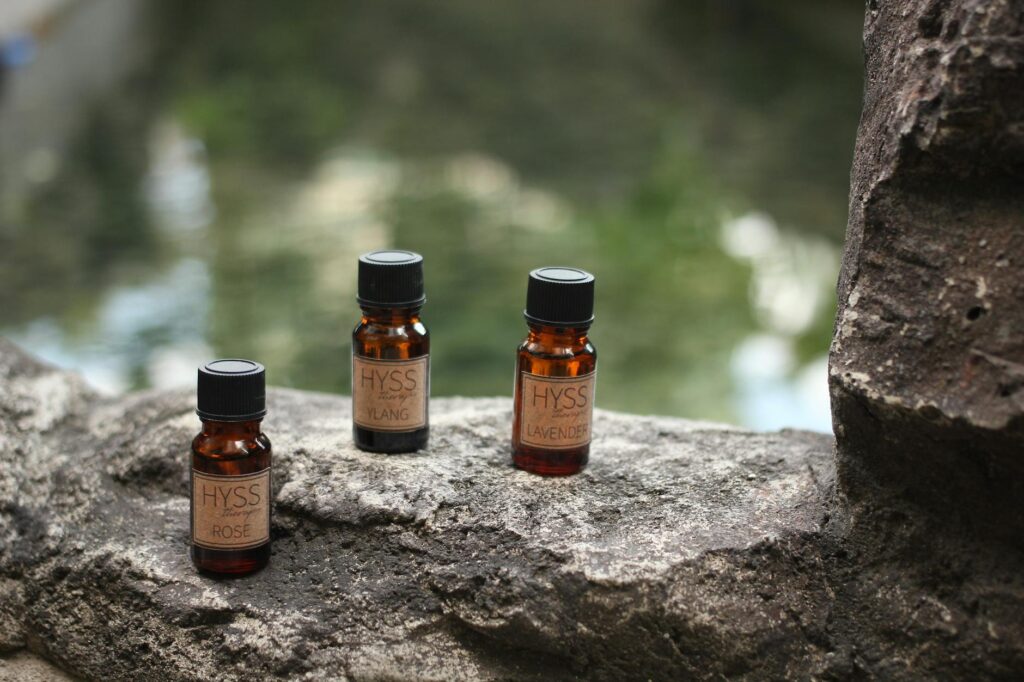
- Use Dark Glass Containers: Amber or cobalt blue glass bottles are recommended for storing essential oils, as they help protect the oil from light exposure.
- Seal Tightly: Ensure that the bottle is tightly sealed to prevent oxidation and evaporation.
- Shelf Life: When stored properly, ylang ylang oil can last for 3 to 5 years. However, it is advisable to check for any changes in aroma or consistency before use.
Common Uses
Ylang ylang oil is versatile and can be utilized in various applications, including:
Aromatherapy Applications
In aromatherapy, ylang ylang oil is often used to address a variety of emotional and psychological issues. Its scent is described as sweet, floral, and slightly fruity, making it a favorite among essential oil enthusiasts. Some common aromatherapy applications include:
Safety Considerations
While ylang ylang oil is generally recognized as safe for topical and aromatic use, certain precautions should be considered:
Storage and Shelf Life
Proper storage is essential to maintain the quality and efficacy of ylang ylang oil. Here are some guidelines for storage:
Frequently Asked Questions
1. Is ylang ylang oil safe for children?
While ylang ylang oil can be used around children, it is essential to dilute it significantly and consult a healthcare professional beforehand, especially for younger children.
2. Can ylang ylang oil be ingested?
Ingesting essential oils is not generally recommended unless under the guidance of a qualified healthcare practitioner. Ylang ylang oil is primarily used for topical and aromatic applications.
3. What are the different grades of ylang ylang oil?
Ylang ylang oil is categorized into grades based on the distillation process. The highest quality is ylang ylang complete, followed by extra, 1st, 2nd, and 3rd grades, each varying in aroma and properties.
4. How can I incorporate ylang ylang oil into my daily routine?
Ylang ylang oil can be incorporated into your daily routine through diffusion, massage, skincare, or hair care products. Experiment with different applications to find what works best for you.
5. Where can I buy high-quality ylang ylang oil?
High-quality ylang ylang oil can be found at health food stores, specialty essential oil retailers, and online marketplaces. Always choose reputable brands that provide third-party testing for purity and quality.
Conclusion
Ylang ylang oil is a multifaceted essential oil that offers a blend of aromatic pleasure and potential benefits. From its use in aromatherapy to its applications in personal care, this oil has earned its place in the world of holistic wellness. By understanding its properties, uses, and safety considerations, individuals can make informed choices about incorporating ylang ylang oil into their routines. As always, it is advisable to research and consult with professionals when exploring the world of essential oils.