
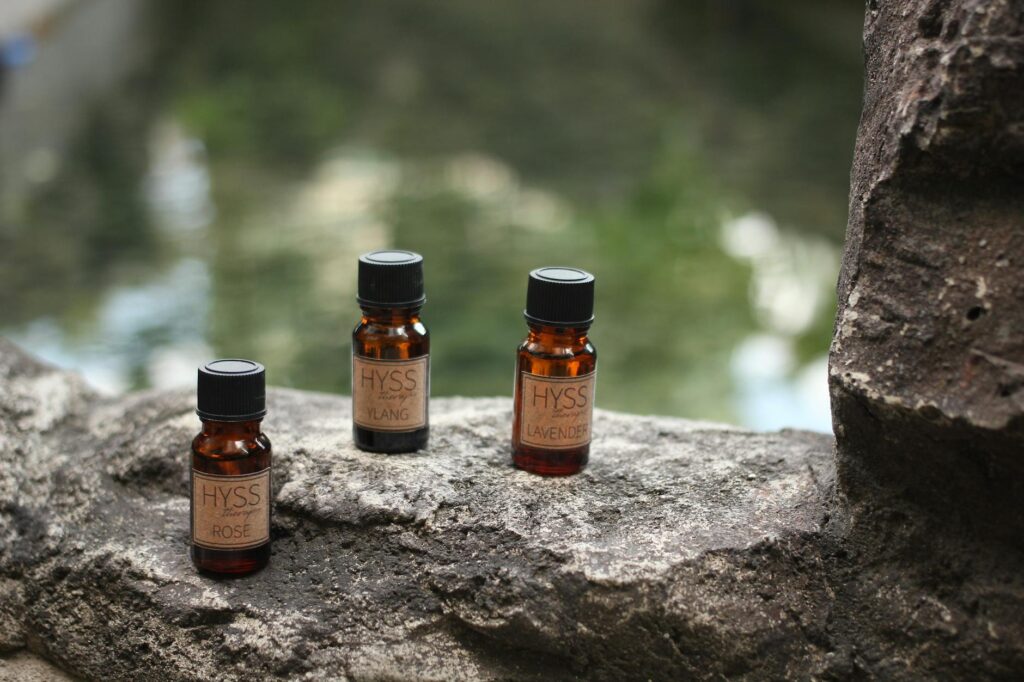
Complete Guide to Ylang Ylang Oil Part 15
Introduction
Ylang ylang oil, derived from the flowers of the Cananga odorata tree, is celebrated for its rich floral scent and diverse applications. This essential oil has been utilized for centuries in various cultures, particularly in Southeast Asia, where it is often associated with love, beauty, and relaxation. In this comprehensive guide, we will explore the characteristics, benefits, uses, and safety considerations of ylang ylang oil, providing a thorough understanding for enthusiasts and practitioners alike.
What Is Ylang Ylang Oil?
Ylang ylang oil is extracted through steam distillation from the fragrant yellow flowers of the ylang ylang tree. This tropical tree is native to countries such as Indonesia, the Philippines, and Malaysia, thriving in warm, humid climates. The name “ylang ylang” translates to “flower of flowers” in Tagalog, reflecting its esteemed status in the realm of aromatics.
The oil is known for its sweet, floral scent, which can vary in intensity depending on the distillation method and the part of the flower used. Ylang ylang oil is typically categorized into different grades:
- Extra: The first extraction, known for its rich fragrance.
- Grade I: The second extraction, slightly less intense.
- Grade II: The third extraction, with a more subdued scent.
- Grade III: The final extraction, often used in cosmetics and soaps.
Each grade has distinct aromatic qualities and potential applications.
Key Benefits and Properties
Ylang ylang oil is lauded for its numerous beneficial properties, making it a valuable addition to both personal care and wellness practices. Some of its key benefits include:
1. Mood Enhancement
The uplifting aroma of ylang ylang oil is often associated with mood enhancement and emotional balance. It is believed to help alleviate feelings of stress and anxiety, promoting a sense of calm and relaxation.
2. Skin Care
Ylang ylang oil has properties that may support skin health. It is often used in skincare formulations for its moisturizing and soothing effects, making it suitable for various skin types.
3. Hair Care
This essential oil is also valued in hair care products. It can help promote healthy hair growth and add shine, making it a popular choice in shampoos and conditioners.
4. Antimicrobial Properties
Research indicates that ylang ylang oil may possess antimicrobial properties, making it useful in formulations aimed at maintaining hygiene and cleanliness.
5. Aphrodisiac Qualities
Traditionally, ylang ylang oil has been used as an aphrodisiac, enhancing romantic feelings and intimacy. Its alluring scent is often incorporated into perfumes and romantic settings.
Common Uses
Ylang ylang oil has a wide array of applications across various domains, including:
1. Aromatherapy
In aromatherapy, ylang ylang oil is frequently used in diffusers or oil blends to create a relaxing atmosphere. Its calming properties make it ideal for meditation and stress relief.
2. Personal Care Products
Many skincare and hair care products incorporate ylang ylang oil for its aromatic qualities and potential benefits for skin and hair health. Look for it in lotions, creams, shampoos, and conditioners.
3. Perfumes
Due to its captivating scent, ylang ylang oil is a popular ingredient in high-end perfumes. It adds depth and complexity to fragrance blends.
4. Massage Oils
Ylang ylang oil can be diluted in carrier oils and used in massage to enhance relaxation and emotional well-being.
5. Household Products
Some households utilize ylang ylang oil in homemade cleaning solutions or as a natural air freshener, taking advantage of its pleasant aroma and potential antimicrobial properties.
Aromatherapy Applications
In the realm of aromatherapy, ylang ylang oil is highly regarded for its versatility. It can be used in various methods, including:
1. Diffusion
Adding a few drops of ylang ylang oil to a diffuser can fill a room with its sweet fragrance, creating a calming environment.
2. Inhalation
Direct inhalation is another method; simply inhale the scent from the bottle or add a few drops to a tissue. This can provide immediate stress relief and emotional support.
3. Bathing
Incorporating ylang ylang oil into bathwater can enhance relaxation. Mix a few drops with a carrier oil or bath salts for an aromatic experience.
4. Topical Application
When diluted in carrier oil, ylang ylang can be applied to pulse points or used in massage. Always conduct a patch test to ensure skin compatibility.
5. Blending
Ylang ylang oil blends well with other essential oils, such as bergamot, lavender, and sandalwood, creating harmonious aromatic profiles for various therapeutic effects.
Safety Considerations
While ylang ylang oil is generally considered safe for use, certain precautions should be observed:
1. Skin Sensitivity
As with any essential oil, it is advisable to perform a patch test before topical application. Dilute ylang ylang oil in a carrier oil to minimize the risk of skin irritation.
2. Pregnancy and Nursing
Pregnant or nursing individuals should consult with a qualified health professional before using ylang ylang oil, as its effects during these periods are not well-studied.
3. Allergies
Individuals with known allergies to plants in the Annonaceae family should exercise caution and avoid ylang ylang oil.
4. Overuse
Excessive use of ylang ylang oil can lead to headaches or nausea due to its potent aroma. Moderation is key.
5. Children
Consultation with a healthcare professional is recommended before using ylang ylang oil with children, as young skin can be more sensitive.
Storage and Shelf Life
Proper storage of ylang ylang oil is essential to maintain its quality and longevity. Here are some guidelines:
1. Container
Store ylang ylang oil in a dark glass bottle to protect it from light degradation. Amber or cobalt blue bottles are ideal.
2. Temperature
Keep the oil in a cool, dark place, away from direct sunlight and heat sources. A temperature range of 60-75°F (15-24°C) is optimal.
3. Shelf Life
When stored correctly, ylang ylang oil typically has a shelf life of 3 to 5 years. However, it is advisable to check for any changes in scent or consistency before use.
Frequently Asked Questions
1. Can ylang ylang oil be used during pregnancy?
Due to limited research on the safety of ylang ylang oil during pregnancy, it is recommended to consult a healthcare provider before use.
2. How can I incorporate ylang ylang oil into my skincare routine?
Ylang ylang oil can be added to lotions or creams, or diluted in a carrier oil and applied directly to the skin. Always perform a patch test first.
3. Is ylang ylang oil safe for children?
Consult a healthcare professional before using ylang ylang oil with children, as their skin may be more sensitive to essential oils.
4. What essential oils blend well with ylang ylang?
Ylang ylang oil pairs well with bergamot, lavender, grapefruit, and sandalwood, creating harmonious blends for various aromatic applications.
5. Can ylang ylang oil be ingested?
Ylang ylang oil is primarily intended for external use and aromatherapy. Ingestion should only be done under the supervision of a qualified healthcare professional.
Conclusion
Ylang ylang oil is a multifaceted essential oil with a rich history and a wide array of applications. Its unique properties make it a valuable addition to aromatherapy, personal care products, and more. By understanding its benefits, uses, and safety considerations, individuals can explore the enchanting world of ylang ylang oil with confidence and appreciation.