
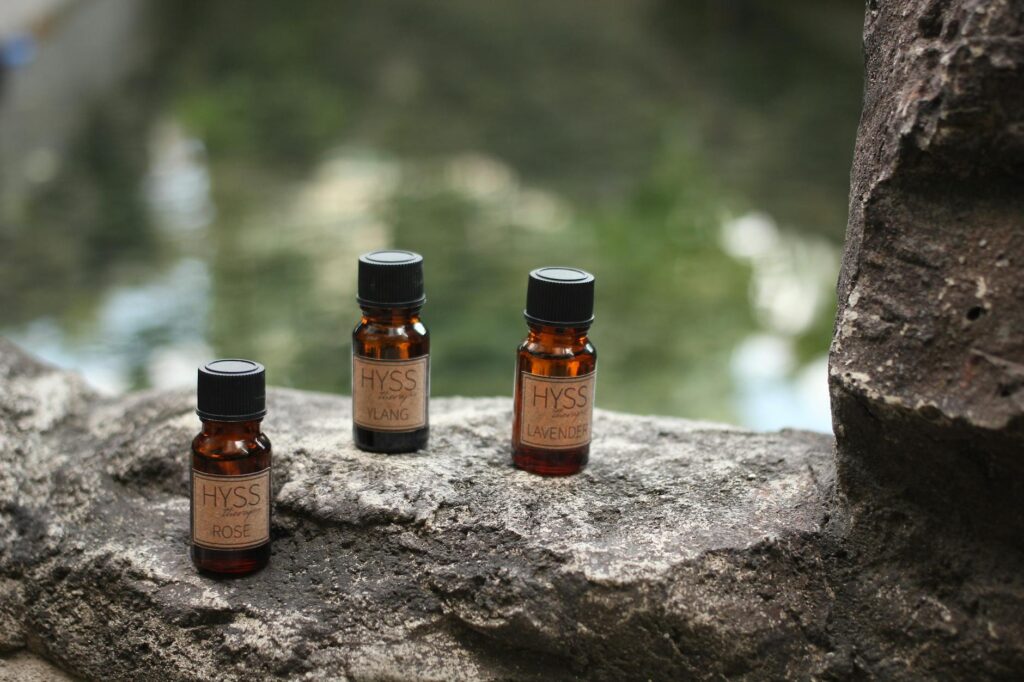
Complete Guide to Ylang Ylang Oil Part 4
Introduction
Ylang Ylang oil, derived from the flowers of the Cananga odorata tree, is a popular essential oil known for its sweet, floral aroma and a range of applications in perfumery, skincare, and aromatherapy. In this fourth installment of our comprehensive guide, we will explore the essence of Ylang Ylang oil, detailing its key benefits and properties, common uses, and safety considerations to ensure a well-rounded understanding of this remarkable oil.
What Is Ylang Ylang Oil?
Ylang Ylang oil is extracted through steam distillation from the flowers of the Ylang Ylang tree, native to tropical regions of Southeast Asia, particularly Indonesia, the Philippines, and parts of Madagascar. The name “Ylang Ylang” translates to “flower of flowers” in Tagalog, reflecting its esteemed status in both local and global cultures.
The oil is characterized by its complex aroma, which is both sweet and slightly fruity, with hints of spice. There are different grades of Ylang Ylang oil, such as Ylang Ylang I, II, and III, determined by the distillation process. The first fraction, Ylang Ylang I, is the most fragrant and often used in high-end perfumes, while subsequent fractions may be more suitable for other applications.
Key Benefits and Properties
Ylang Ylang oil boasts a myriad of benefits and properties, making it a versatile addition to aromatherapy and holistic practices. Some of the notable properties include:
- Emotional Balance: Known for its uplifting qualities, Ylang Ylang oil is often used to promote feelings of joy and relaxation. It may help to alleviate feelings of anxiety and stress, fostering a sense of emotional well-being.
- Skin Care: The oil is believed to possess antiseptic properties, making it beneficial for skin health. It may help in balancing oil production, making it suitable for both dry and oily skin types.
- Aphrodisiac Qualities: Traditionally, Ylang Ylang has been regarded as an aphrodisiac, known to enhance romantic feelings and intimacy. Its sweet fragrance can create a romantic atmosphere.
- Hair Care: Ylang Ylang oil is often added to hair care products for its potential to promote healthy hair growth and improve the overall condition of hair.
- Anti-inflammatory Effects: Some studies suggest that Ylang Ylang oil may have anti-inflammatory properties, which can be beneficial in soothing irritation and redness.
- Perfumery: Due to its captivating aroma, Ylang Ylang is a common ingredient in perfumes and fragrances, adding a floral depth to scent compositions.
- Cosmetics: It can be found in various skin and hair care products, including lotions, serums, shampoos, and conditioners, owing to its beneficial properties.
- Candles and Diffusers: The oil is often used in scented candles and diffusers to create a calming and uplifting environment.
- Massage Oils: When diluted with a carrier oil, Ylang Ylang can be used in massage blends to promote relaxation and enhance the overall experience.
- Diffusion: Adding a few drops of Ylang Ylang oil to an essential oil diffuser can help create a tranquil environment. Its uplifting scent can be beneficial during meditation, yoga, or relaxation practices.
- Inhalation: Direct inhalation of Ylang Ylang oil can also be effective. Placing a drop on a tissue or in your palms and inhaling deeply can promote feelings of calm and joy.
- Massage Blends: When mixed with a carrier oil such as jojoba or sweet almond oil, Ylang Ylang can be used for therapeutic massage. It may help ease tension and promote relaxation.
- Bathing: Adding a few drops of Ylang Ylang oil to a warm bath can create an indulgent, aromatic experience, enhancing relaxation and mood.
- Dilution: Essential oils are highly concentrated. Ylang Ylang oil should always be diluted with a carrier oil before topical application to avoid skin irritation.
- Allergic Reactions: As with any essential oil, there is a potential for allergic reactions. It’s advisable to perform a patch test before widespread use.
- Pregnancy and Children: Pregnant women and children should consult a healthcare professional before using Ylang Ylang oil, as its effects during pregnancy and early childhood are not well-studied.
- Interactions with Medications: If you are taking medications or have pre-existing health conditions, consult with a qualified professional before using Ylang Ylang oil, as it may interact with certain medications.
- Storage Conditions: Store Ylang Ylang oil in a cool, dark place, away from direct sunlight and heat sources. This helps preserve its aromatic properties and prevents degradation.
- Container Type: Use dark glass bottles for storage, as they help protect the oil from light exposure. Avoid plastic containers, as essential oils can degrade plastic over time.
- Shelf Life: When stored correctly, Ylang Ylang oil typically has a shelf life of 2 to 3 years. However, it’s advisable to check for any changes in aroma or consistency, which may indicate that the oil has gone bad.
Common Uses
Ylang Ylang oil is utilized in various domains, including:
Aromatherapy Applications
In aromatherapy, Ylang Ylang oil is highly regarded for its ability to influence mood and emotional states. Here are some common applications:
Safety Considerations
While Ylang Ylang oil is generally considered safe for most individuals when used appropriately, there are several safety considerations to keep in mind:
Storage and Shelf Life
To ensure the longevity and efficacy of Ylang Ylang oil, proper storage is essential:
Frequently Asked Questions
1. Can Ylang Ylang oil be ingested?
Ylang Ylang oil is not recommended for internal use unless under the guidance of a qualified healthcare professional. Essential oils can be highly concentrated and may lead to adverse effects when ingested.
2. Is Ylang Ylang oil safe for sensitive skin?
While Ylang Ylang oil has beneficial properties, individuals with sensitive skin should exercise caution and conduct a patch test to check for any adverse reactions.
3. How can I incorporate Ylang Ylang oil into my skincare routine?
Ylang Ylang oil can be added to your skincare routine by mixing a few drops with a carrier oil and applying it to the skin. It can also be added to lotions or creams for enhanced benefits.
4. What is the best way to use Ylang Ylang oil for relaxation?
Diffusing Ylang Ylang oil in your home or adding it to a warm bath can be effective ways to harness its relaxing properties. Inhalation techniques, such as placing a drop on a tissue, are also popular.
5. Are there any contraindications for using Ylang Ylang oil?
Individuals with known allergies to the Cananga odorata plant or anyone with specific health concerns should consult with a healthcare professional before using Ylang Ylang oil to avoid any potential adverse effects.
Conclusion
Ylang Ylang oil is a versatile and enchanting essential oil that offers a wide range of benefits and applications. Whether used in aromatherapy, skincare, or perfumery, its rich aroma and therapeutic properties make it a valued addition to holistic practices. By understanding its characteristics, uses, and safety considerations, individuals can fully appreciate the beauty and potential of Ylang Ylang oil in their daily lives.