
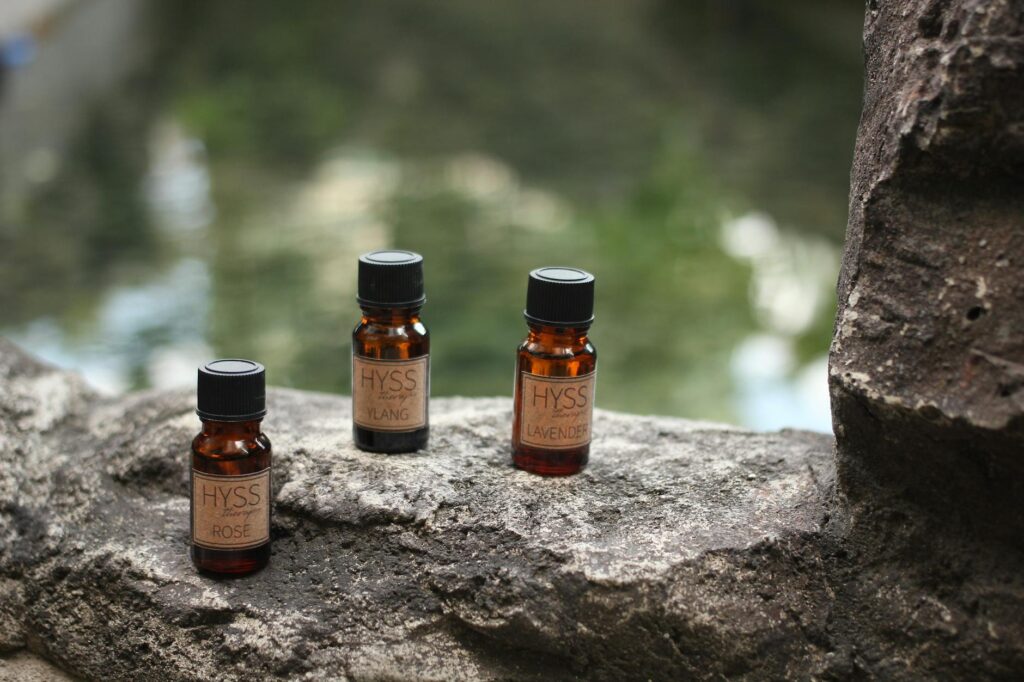
Complete Guide to Ylang Ylang Oil Part 4
Introduction
Ylang Ylang oil, derived from the flowers of the Cananga odorata tree, has captivated the senses for centuries with its sweet, floral aroma. Known for its diverse applications in aromatherapy and personal care, this essential oil has earned a prominent place in holistic wellness practices and perfumery. As we explore Ylang Ylang oil in depth, we will examine its origins, properties, benefits, and applications, while ensuring safe usage practices are highlighted.
What Is Ylang Ylang Oil?
Ylang Ylang oil is extracted from the star-shaped flowers of the Cananga odorata tree, which is commonly found in tropical regions of Asia, including Indonesia, the Philippines, and parts of Madagascar. The name “Ylang Ylang” is derived from the Tagalog word “ilang,” which means “wild,” and “ilang,” which refers to the flower.
The distillation process of Ylang Ylang oil is unique, involving several grades based on the length of distillation. The first fraction, known as Ylang Ylang Extra, is the most fragrant and often used in high-end perfumery. Subsequent fractions—Ylang Ylang I, II, and III—have varying aromas and are typically employed in less expensive perfumes and products.
Key Benefits and Properties
Ylang Ylang oil is renowned for its complex chemical composition, which contributes to its various benefits and properties. Key components include:
- Linalool: Known for its calming effects, contributing to relaxation.
- Geranyl Acetate: Offers soothing properties and a pleasant fragrance.
- Benzyl Acetate: Provides anti-inflammatory benefits and enhances mood.
- Aromatherapy: Often diffused to create a calming atmosphere.
- Perfumes: A popular ingredient in both natural and synthetic fragrances.
- Cosmetics: Incorporated into lotions, creams, and hair products.
- Massage Oils: Often blended with carrier oils for relaxing massages.
- Containers: Store Ylang Ylang oil in dark glass bottles to protect it from light and oxidation.
- Temperature: Keep the oil in a cool, dry place, away from direct sunlight and heat sources. A temperature range of 60°F to 75°F (15°C to 24°C) is ideal.
- Shelf Life: When stored correctly, Ylang Ylang oil typically has a shelf life of 3 to 5 years. Regularly check for any changes in color or scent, as these may indicate degradation.
Emotional Benefits
Ylang Ylang oil is often associated with emotional well-being. Its uplifting scent can help reduce stress, anxiety, and feelings of anger. Many practitioners believe it promotes a sense of balance and tranquility, making it a popular choice in stress-relief blends.
Skin and Hair Care
This essential oil is also celebrated for its potential benefits for skin and hair. Its moisturizing properties may aid in maintaining skin hydration and elasticity, while its antibacterial qualities can help support overall skin health. Additionally, Ylang Ylang oil may promote hair growth and improve scalp health, making it a valuable ingredient in shampoos and conditioners.
Common Uses
Ylang Ylang oil is versatile and can be used in various applications, including:
Aromatherapy Applications
In aromatherapy, Ylang Ylang oil is typically used for its calming effects and ability to promote emotional balance. Here are some common methods of application:
Diffusion
One of the simplest ways to enjoy Ylang Ylang oil is through diffusion. Adding a few drops to a diffuser can fill a space with its sweet, floral scent, promoting a serene environment. This method is beneficial for relaxation and stress relief.
Inhalation
Inhalation is another effective way to harness the benefits of Ylang Ylang oil. Placing a drop on a cotton ball or inhaler can provide immediate calming effects, making it useful during moments of stress or anxiety.
Topical Application
When diluted with a carrier oil, Ylang Ylang oil can be used topically. It is often added to massage blends to enhance relaxation. However, a patch test is recommended before using it on larger skin areas to check for any sensitivity.
Safety Considerations
While Ylang Ylang oil is generally considered safe when used appropriately, there are precautions to keep in mind:
Skin Sensitivity
Some individuals may experience skin irritation or allergic reactions when using Ylang Ylang oil. It is advisable to perform a patch test by applying a small amount of diluted oil to an inconspicuous skin area and waiting 24 hours to observe any adverse reactions.
Pregnancy and Nursing
Due to its potent properties, pregnant or nursing individuals should consult a healthcare professional before using Ylang Ylang oil. While it is generally regarded as safe, individual circumstances may vary.
Dosage and Dilution
Ylang Ylang oil should always be diluted before topical application. A common guideline is to mix a few drops with a carrier oil, such as coconut or jojoba oil, for safe use on the skin.
Avoiding Overuse
Excessive use of Ylang Ylang oil may lead to headaches or nausea in some individuals. It is essential to use it in moderation and be mindful of personal tolerance levels.
Storage and Shelf Life
Proper storage is crucial to maintaining the quality of Ylang Ylang oil. Here are some guidelines for optimal storage:
Frequently Asked Questions
1. Can Ylang Ylang oil be ingested?
Ylang Ylang oil is primarily used for external applications and aromatherapy. Ingestion is not recommended unless under the guidance of a qualified healthcare professional.
2. Is Ylang Ylang oil safe for children?
While Ylang Ylang oil can be safe for children when appropriately diluted, it is essential to consult with a healthcare provider for specific recommendations based on age and health status.
3. How can I incorporate Ylang Ylang oil into my skincare routine?
Ylang Ylang oil can be added to facial oils, creams, or lotions by mixing a few drops with a carrier oil. It is advisable to first perform a patch test to ensure compatibility with your skin.
4. What blends well with Ylang Ylang oil?
Ylang Ylang oil pairs well with other floral oils such as lavender, rose, and geranium, as well as citrus oils like bergamot and sweet orange. Creating a blend can enhance its aromatic and therapeutic properties.
5. Is Ylang Ylang oil suitable for sensitive skin?
Individuals with sensitive skin should exercise caution when using Ylang Ylang oil. It is advisable to dilute it adequately and conduct a patch test to determine skin compatibility.
Conclusion
Ylang Ylang oil stands out as a versatile essential oil with a rich history and a broad range of applications. Its delightful aroma and numerous benefits make it a cherished component in aromatherapy, personal care, and wellness practices. By understanding its properties, uses, and safety considerations, individuals can safely incorporate Ylang Ylang oil into their routines, harnessing its potential to enhance emotional and physical well-being. Whether through diffusion, topical application, or as an ingredient in beauty products, Ylang Ylang oil continues to inspire and uplift those who seek its fragrant embrace.