
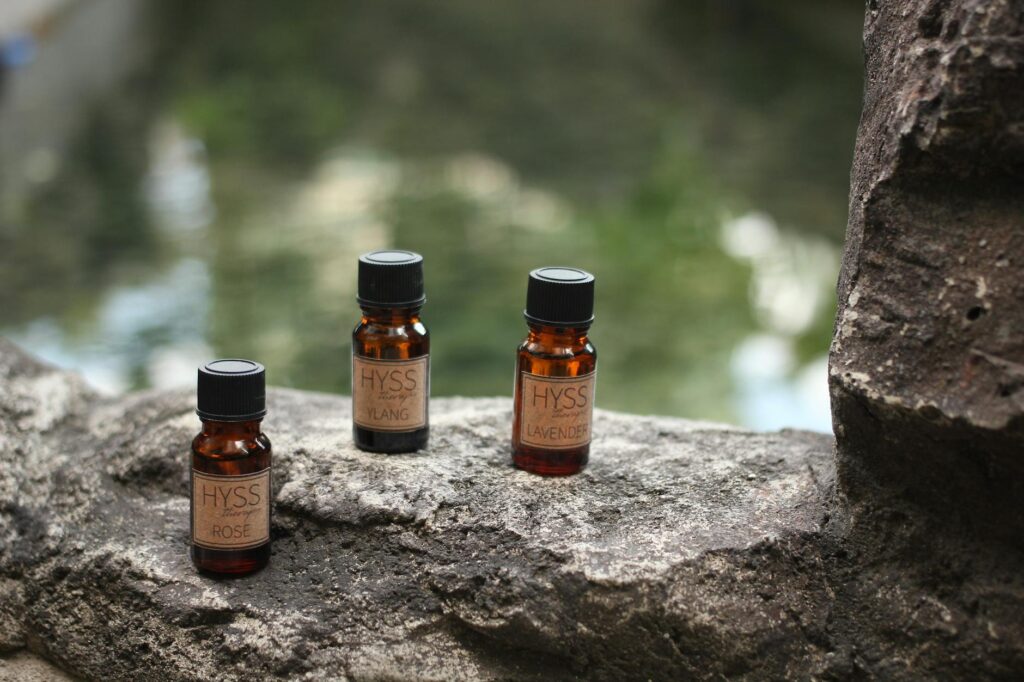
Complete Guide to Ylang Ylang Oil Part 5
Introduction
Ylang ylang oil, derived from the flowers of the Cananga odorata tree, has captivated the senses of many cultures for centuries. Revered for its sweet, floral aroma and diverse applications, this essential oil has found a place in both perfumery and holistic practices. This guide delves into the characteristics, benefits, uses, and safety considerations of ylang ylang oil, providing a comprehensive understanding of its significance in the realm of aromatherapy.
What Is Ylang Ylang Oil?
Ylang ylang oil is extracted from the yellow, star-shaped flowers of the ylang ylang tree, which is native to tropical Asia, particularly the Philippines and Indonesia. The extraction process typically involves steam distillation, yielding an oil that has a rich, sweet, and slightly fruity scent. The oil can be categorized based on the distillation process, with variations including extra, grade I, grade II, and grade III, each possessing different aromatic profiles and potency.
The name “ylang ylang” translates to “flower of flowers” in Tagalog, highlighting its esteemed status among fragrant blooms. Historically, ylang ylang has been used in traditional practices, particularly in Southeast Asia, where it is considered a symbol of love and romance.
Key Benefits and Properties
Ylang ylang oil possesses several notable properties that contribute to its popularity in various domains:
1. Emotional Well-being
Ylang ylang oil is widely recognized for its ability to promote emotional balance. It is believed to have uplifting effects on mood, helping to alleviate feelings of anxiety and stress. Its calming properties may foster relaxation and emotional stability.
2. Skin Care
This essential oil is often included in cosmetic formulations due to its potential benefits for skin health. It may help regulate sebum production, making it useful for both oily and dry skin types. Additionally, ylang ylang oil is known for its antiseptic properties, which can contribute to clearer skin.
3. Hair Health
Ylang ylang oil is sometimes incorporated into hair care products because of its purported benefits for hair growth and scalp health. It may help nourish the scalp and promote shiny, healthy hair.
4. Aphrodisiac Qualities
Traditionally, ylang ylang oil has been regarded as an aphrodisiac, enhancing romantic feelings and intimacy. Its alluring fragrance is often used in perfumes designed to evoke passion and attraction.
Common Uses
Ylang ylang oil finds application in various domains, each capitalizing on its unique properties:
1. Perfumery
The sweet and floral aroma of ylang ylang makes it a popular ingredient in many perfumes and fragrances. It adds depth and complexity to scent blends, often used as a middle note.
2. Aromatherapy
In aromatherapy, ylang ylang oil is often diffused to create a calming atmosphere. Its scent can be blended with other essential oils to enhance relaxation and emotional well-being.
3. Cosmetics
Due to its skin-nourishing properties, ylang ylang oil is commonly included in lotions, creams, and other skincare products. It can also be found in hair oils and conditioners.
4. Massage Oils
Ylang ylang oil is sometimes added to carrier oils for massage blends, enhancing relaxation and promoting an overall sense of well-being.
Aromatherapy Applications
Ylang ylang oil is valued in aromatherapy for its therapeutic properties. Here are some common applications:
1. Diffusion
Using a diffuser, ylang ylang can be dispersed into the air, filling a room with its delightful aroma. This method is often employed to create a calming environment or to enhance romantic settings.
2. Topical Application
When blended with a carrier oil, ylang ylang can be applied to pulse points or massaged into the skin. This method may enhance its soothing and nourishing effects.
3. Bathing
Adding a few drops of ylang ylang oil to a warm bath can create a luxurious and relaxing experience. It is often combined with other essential oils for a more complex aromatic profile.
4. Inhalation
Direct inhalation of ylang ylang oil, whether from the bottle or through a tissue, can provide immediate emotional support during times of stress or anxiety.
Safety Considerations
While ylang ylang oil is generally considered safe for most individuals, certain precautions should be observed:
1. Dilution
It is recommended to dilute ylang ylang oil with a carrier oil before applying it to the skin. This helps prevent potential skin irritation and enhances absorption.
2. Patch Test
Before using ylang ylang oil topically, a patch test should be conducted to check for allergic reactions or sensitivity. Apply a small amount of diluted oil to a discreet area and monitor for any adverse effects.
3. Pregnancy and Breastfeeding
While ylang ylang oil is commonly used, pregnant or breastfeeding individuals should consult with a healthcare professional before using it, as its effects during these periods are not well studied.
4. Medication Interactions
Individuals taking medications, particularly those for blood pressure or other cardiovascular conditions, should exercise caution, as ylang ylang may have hypotensive effects.
Storage and Shelf Life
Proper storage of ylang ylang oil is essential to maintain its quality and efficacy. Here are some guidelines:
1. Container
Store ylang ylang oil in a dark glass bottle to protect it from light, which can degrade the oil over time.
2. Temperature
Keep the oil in a cool, dry place away from direct sunlight and heat sources. Extreme temperatures can affect the oil’s properties.
3. Shelf Life
When stored properly, ylang ylang oil typically has a shelf life of 2 to 3 years. However, it is advisable to check for any changes in aroma or consistency, which may indicate that the oil has gone rancid.
Frequently Asked Questions
1. What does ylang ylang oil smell like?
Ylang ylang oil has a sweet, floral, and slightly fruity aroma. It is often described as exotic and rich, making it a popular choice in perfumery.
2. Can ylang ylang oil be used for hair?
Yes, ylang ylang oil is often included in hair care products for its potential benefits in promoting hair health and scalp nourishment.
3. Is ylang ylang oil safe for children?
While ylang ylang oil is generally safe for adults, it is advisable to consult with a healthcare professional before using it on children, as their skin may be more sensitive.
4. Can ylang ylang oil be ingested?
Ylang ylang oil is primarily used for topical and aromatic applications. Ingesting essential oils should be approached with caution and only under the guidance of a qualified practitioner.
5. How does ylang ylang oil compare to other essential oils?
Ylang ylang oil has unique properties and a distinct scent compared to other essential oils. Its benefits may overlap with oils like lavender and bergamot, but each oil has its specific attributes and uses.
Conclusion
Ylang ylang oil is a versatile and enchanting essential oil, revered for its myriad benefits and applications. From enhancing emotional well-being to promoting skin and hair health, its uses are extensive and varied. Understanding the properties, uses, and safety considerations of ylang ylang oil can empower individuals to incorporate this floral essence into their daily lives, whether through aromatherapy, personal care, or simply enjoying its delightful aroma. As with any essential oil, mindfulness in usage ensures a safe and enriching experience.