
Complete Guide to Ylang Ylang Oil Part 6
Introduction
Ylang ylang oil, derived from the flowers of the Cananga odorata tree, has garnered attention for its captivating aroma and diverse applications. This essential oil has been utilized for centuries in various cultures, celebrated not only for its fragrance but also for its myriad of benefits. This guide aims to provide a comprehensive overview of ylang ylang oil, exploring its properties, uses, and safety considerations.
What Is Ylang Ylang Oil?
Ylang ylang oil is extracted from the yellow, star-shaped flowers of the Cananga odorata tree, native to tropical regions of Asia, particularly Indonesia, the Philippines, and parts of Africa. The name “ylang ylang” translates to “flower of flowers” in Tagalog, emphasizing its esteemed place in both traditional and contemporary applications.
The extraction process typically involves steam distillation, which captures the delicate aromatic compounds in the flowers. Depending on the distillation time, ylang ylang oil can be categorized into different grades: extra, I, II, and III, with the extra grade being the most fragrant and potent.
Key Benefits and Properties
Ylang ylang oil possesses a complex chemical composition that contributes to its beneficial properties. Key components include:
- Linalool: Known for its calming effects and floral aroma.
- Geranyl acetate: Offers soothing properties and contributes to the oil’s sweet scent.
- Benzyl acetate: Provides both antifungal and anti-inflammatory properties.
- Antimicrobial: Exhibiting properties that may inhibit the growth of certain bacteria and fungi.
- Anti-inflammatory: Potentially reducing inflammation in the body.
- Hormonal Balance: Some suggest that it may assist in hormonal balance, making it popular among those seeking to address issues related to menstrual cycles.
- Perfumes: Its rich and floral scent makes it a popular ingredient in high-end fragrances.
- Skincare Products: Often included in creams and lotions for its potential to hydrate and balance oil production.
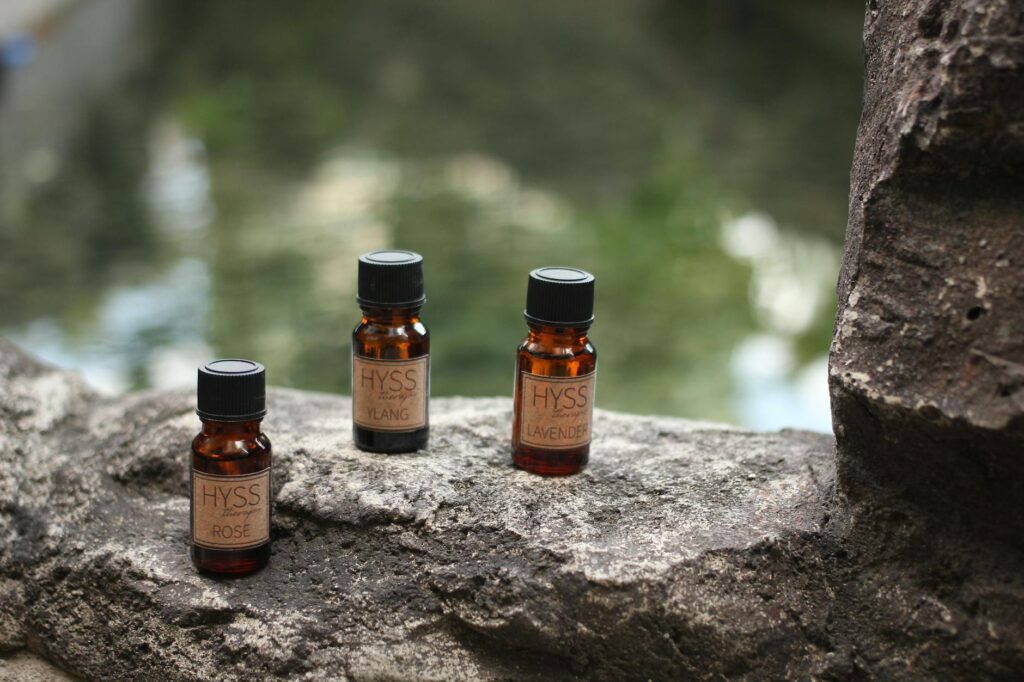
- Container: Store ylang ylang oil in a dark glass bottle to protect it from light, which can degrade the oil’s quality.
- Temperature: Keep the oil in a cool, dry place, away from direct sunlight and heat sources.
- Shelf Life: When stored correctly, ylang ylang oil generally has a shelf life of about 3 to 5 years. Always check for any changes in smell, color, or consistency before use.
Emotional and Psychological Benefits
Ylang ylang oil is often associated with emotional well-being. Its rich, sweet aroma is believed to promote relaxation, reduce stress, and uplift mood. As such, it is frequently used in aromatherapy to alleviate feelings of anxiety and promote a sense of tranquility.
Physical Properties
In addition to its emotional benefits, ylang ylang oil has been studied for various physical properties, including:
Common Uses
Ylang ylang oil is versatile, finding applications in various fields, including:
1. Cosmetics and Skincare
Due to its aromatic and purported skin-nourishing properties, ylang ylang oil is commonly found in:
2. Hair Care
Ylang ylang oil is included in various hair care formulations, believed to promote healthy hair growth and enhance shine. It is often added to shampoos, conditioners, and hair masks.
3. Mood Enhancement
As mentioned previously, ylang ylang oil is frequently used in aromatherapy to improve mood and promote relaxation. It can be diffused in living spaces or added to bath water for a calming experience.
4. Massage
The oil’s soothing properties make it a popular choice for massage blends, where it can help alleviate tension and promote relaxation.
Aromatherapy Applications
In aromatherapy, ylang ylang oil is valued for its ability to promote emotional balance and well-being. Here are some common methods of use:
1. Diffusion
Adding several drops of ylang ylang oil to a diffuser can create a serene atmosphere, perfect for meditation or relaxation.
2. Topical Application
When diluted with a carrier oil (such as jojoba or coconut oil), ylang ylang can be applied to pulse points or areas of tension. This topical application is thought to enhance relaxation and uplift mood.
3. Bathing
Adding ylang ylang oil to a warm bath can create a sensory experience that promotes relaxation. The oil can be blended with a carrier oil or an emulsifier to ensure it disperses in the water.
4. Inhalation
For immediate effects, inhaling ylang ylang oil directly from the bottle or through a tissue can provide a quick mood boost.
Safety Considerations
While ylang ylang oil is generally regarded as safe for use, it is essential to consider the following precautions:
1. Dilution
Ylang ylang oil is potent and should always be diluted with a carrier oil before applying it to the skin to minimize the risk of irritation.
2. Allergic Reactions
As with any essential oil, it is advisable to perform a patch test before widespread use. Apply a small diluted amount to a patch of skin and observe for any adverse reactions.
3. Pregnancy and Nursing
While ylang ylang is often used in personal care products, pregnant or nursing women should consult a healthcare professional before using the oil, as certain essential oils may not be recommended during this time.
4. Interactions with Medications
Individuals taking medications, particularly those related to blood pressure or heart health, should consult their healthcare provider before using ylang ylang oil.
Storage and Shelf Life
To maintain the integrity of ylang ylang oil, proper storage is crucial. Here are some guidelines:
Frequently Asked Questions
1. Can ylang ylang oil be ingested?
Ylang ylang oil is not typically recommended for internal use. It is primarily used for external applications and in aromatherapy.
2. What is the difference between ylang ylang extra and other grades?
The extra grade is the first distillation of ylang ylang flowers and is considered the most fragrant and potent. Subsequent distillations yield grades I, II, and III, with each grade having a different scent profile and potency.
3. Is ylang ylang oil safe for children?
While ylang ylang oil can be used in aromatherapy for children, it is essential to dilute it properly and consult a healthcare professional for guidance.
4. How can I incorporate ylang ylang oil into my daily routine?
Ylang ylang oil can be incorporated into daily life through diffusion, topical applications, or by adding it to personal care products. Its versatility allows for various creative uses.
Conclusion
Ylang ylang oil is a remarkable essential oil with a rich history and a wide array of applications. Its enchanting aroma, coupled with its potential benefits for emotional and physical well-being, makes it a valuable addition to any essential oil collection. By understanding its properties, uses, and safety considerations, individuals can harness the power of ylang ylang oil responsibly and effectively.