
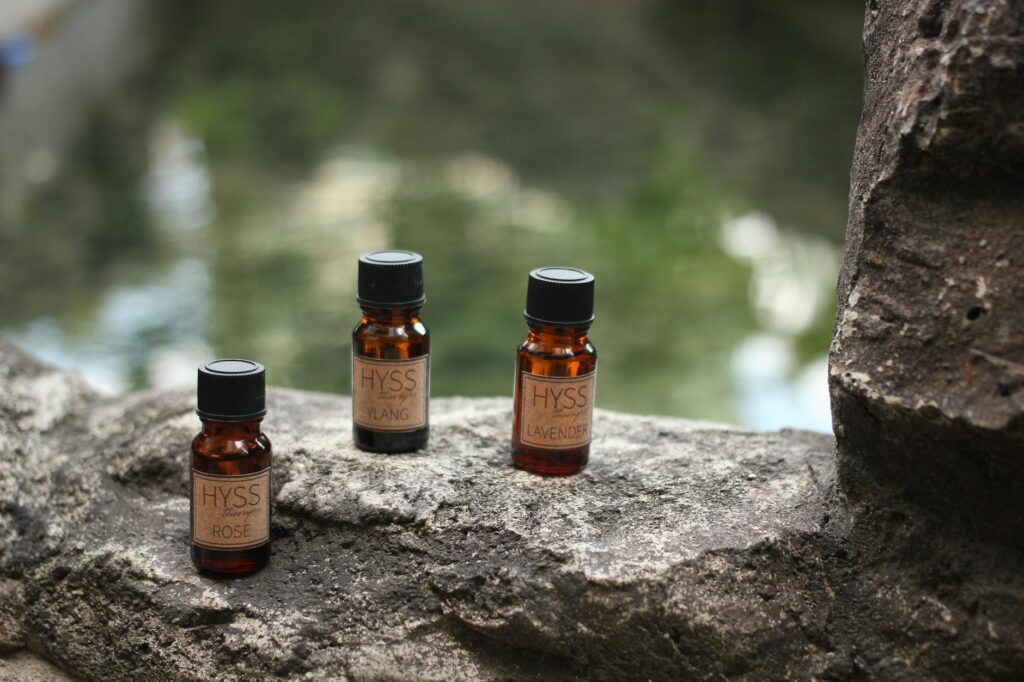
Complete Guide to Ylang Ylang Oil Part 6
Introduction
Ylang Ylang oil, derived from the flowers of the Cananga odorata tree, is celebrated for its captivating fragrance and numerous benefits. This essential oil has a rich history in traditional practices and modern aromatherapy, making it a popular choice among enthusiasts and practitioners alike. In this article, we will explore the origins, properties, uses, and safety considerations of Ylang Ylang oil, offering a comprehensive guide for those interested in incorporating this oil into their lives.
What Is Ylang Ylang Oil?
Ylang Ylang oil is extracted from the blossoms of the Ylang Ylang tree, which is native to tropical regions of Asia, particularly the Philippines and Indonesia. The extraction process typically involves steam distillation, which captures the delicate aroma of the flowers. There are different grades of Ylang Ylang oil, categorized based on the distillation process and the time of extraction. The first distillation yields the highest quality oil, known for its sweet, floral scent.
The name “Ylang Ylang” comes from the Tagalog language of the Philippines, meaning “flower of flowers.” Its exotic scent has made it a popular ingredient in perfumes and cosmetics, as well as in traditional medicine practices.
Key Benefits and Properties
Ylang Ylang oil is praised for its diverse properties, which include:
1. Aromatherapy and Mood Enhancement: The oil is known for its uplifting and calming effects on the mind. Many users report that it helps reduce stress and anxiety, promoting emotional balance.
2. Skin Care: Ylang Ylang oil is often used in skincare formulations due to its potential to balance oil production, making it suitable for both oily and dry skin types. It may also have soothing properties that help alleviate skin irritations.
3. Hair Health: This oil is commonly included in hair care products because it may promote healthy hair growth and add shine, while also helping to control excessive oiliness on the scalp.
4. Antimicrobial Properties: Preliminary studies suggest that Ylang Ylang oil may possess antibacterial and antifungal properties, which can be beneficial for maintaining a healthy environment.
5. Hormonal Balance: Some proponents believe that Ylang Ylang can support hormonal balance, potentially alleviating symptoms associated with hormonal fluctuations.
6. Aphrodisiac Qualities: Traditionally, Ylang Ylang has been used as an aphrodisiac, believed to enhance sensuality and intimacy.
Common Uses
Ylang Ylang oil is versatile and can be used in various ways:
1. Diffusers: Adding a few drops of Ylang Ylang oil to an essential oil diffuser can create a calming atmosphere, making it ideal for relaxation and meditation.
2. Topical Application: Diluting Ylang Ylang oil with a carrier oil, such as coconut or jojoba oil, allows for safe application on the skin. This can enhance its benefits for skin and hair.
3. Bath Products: Incorporating Ylang Ylang oil into bath salts or oils can create a luxurious bathing experience, promoting relaxation and skin nourishment.
4. Perfumes and Fragrances: Its sweet and floral scent makes Ylang Ylang a popular ingredient in perfumery, where it can be blended with other essential oils to create unique fragrances.
5. Household Products: Ylang Ylang oil can be added to homemade cleaning products for a pleasant aroma and potential antimicrobial benefits.
Aromatherapy Applications
In aromatherapy, Ylang Ylang oil is often utilized for its emotional and psychological benefits. Here are some common applications:
1. Stress Relief: Inhaling Ylang Ylang oil may help reduce feelings of stress and anxiety. It can be blended with other calming oils like lavender or bergamot for enhanced effects.
2. Meditation: The soothing aroma of Ylang Ylang can aid in meditation practices, helping individuals achieve a deeper state of relaxation and focus.
3. Enhancing Relationships: Its reputed aphrodisiac properties make it a popular choice for creating a romantic atmosphere, whether through diffusion or topical application.
4. Mood Stabilization: Incorporating Ylang Ylang oil in a personal inhaler or roller blend can provide support during times of emotional upheaval, promoting feelings of calmness and clarity.
Safety Considerations
While Ylang Ylang oil is generally considered safe for use, it is essential to observe certain precautions:
1. Dilution: Always dilute Ylang Ylang oil with a carrier oil before applying it to the skin to avoid irritation. A typical dilution ratio is 2-3 drops of essential oil per teaspoon of carrier oil.
2. Allergies: Conduct a patch test before widespread use to check for any allergic reactions. Apply a small amount of diluted oil to a small area of skin and wait 24 hours.
3. Pregnancy and Nursing: Pregnant or nursing individuals should consult with a qualified healthcare provider before using essential oils, including Ylang Ylang.
4. Medication Interactions: Ylang Ylang may interact with certain medications, particularly those affecting blood pressure or mood. Consulting a healthcare professional is recommended if you are on medication.
5. Children: Use caution when applying essential oils around children. Ylang Ylang may not be suitable for infants and young children.
Storage and Shelf Life
To maintain the quality and efficacy of Ylang Ylang oil, proper storage is crucial:
1. Container: Store the oil in a dark glass bottle to protect it from light and UV rays, which can degrade its properties.
2. Temperature: Keep the oil in a cool, dry place, away from direct sunlight and heat sources, to prolong its shelf life.
3. Shelf Life: When stored correctly, Ylang Ylang oil can last between 2 to 3 years. However, it is advisable to check for any changes in aroma or consistency before use, as these may indicate that the oil has expired.
Frequently Asked Questions
1. Can Ylang Ylang oil be used in cooking?
Ylang Ylang oil is not typically used in cooking due to its strong and complex flavor profile. It is primarily intended for topical and aromatic use.
2. How do I know if my Ylang Ylang oil is pure?
To ensure purity, purchase Ylang Ylang oil from reputable suppliers who provide third-party testing results or have clear labeling indicating the oil’s origin and extraction method.
3. Can Ylang Ylang oil help with sleep issues?
While many individuals find Ylang Ylang oil calming, its effects on sleep can vary. It may be beneficial when combined with other sleep-inducing oils like lavender or chamomile.
4. Is Ylang Ylang oil safe for pets?
Ylang Ylang oil should be used cautiously around pets. Some essential oils can be toxic to animals. Consult with a veterinarian before using any essential oils in a pet’s environment.
5. What is the best way to use Ylang Ylang oil for skincare?
Diluting Ylang Ylang oil with a carrier oil and applying it to the skin can help balance oil production and soothe irritations. Always perform a patch test first.
6. Can Ylang Ylang oil be used in blends?
Yes, Ylang Ylang oil blends well with other essential oils such as bergamot, sandalwood, and jasmine, creating harmonious and complex aromatic profiles.
Conclusion
Ylang Ylang oil is a versatile and fragrant essential oil that offers a range of benefits, from emotional support to skincare and hair care applications. By understanding its properties, uses, and safety considerations, individuals can more effectively incorporate this exotic oil into their daily lives. Whether through aromatherapy, personal care, or creating a calming environment, Ylang Ylang oil remains a cherished component of holistic practices worldwide.