
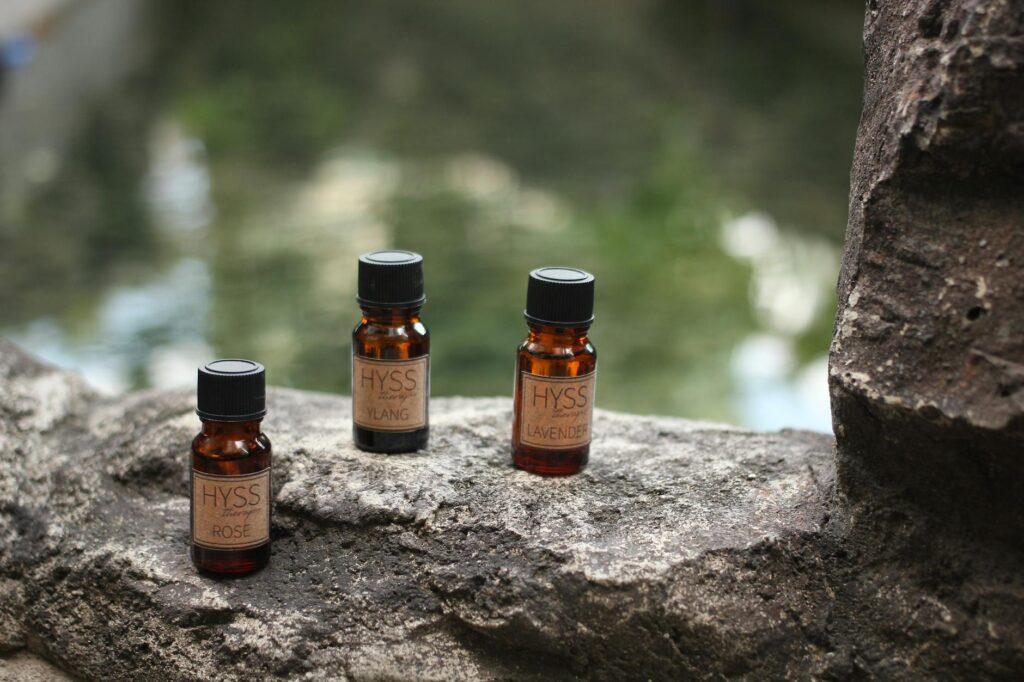
Complete Guide to Ylang Ylang Oil Part 7
Introduction
Ylang ylang oil, extracted from the flowers of the Cananga odorata tree, holds a revered place in the world of essential oils and aromatherapy. Known for its rich, sweet fragrance, this oil has been utilized for centuries in various cultural practices, particularly in Southeast Asia. This comprehensive guide aims to explore the characteristics, benefits, and applications of ylang ylang oil, providing readers with a deeper understanding of its significance in both traditional and modern contexts.
What Is Ylang Ylang Oil?
Ylang ylang oil is derived from the blossoms of the ylang ylang tree, which is native to tropical regions of Asia, particularly the Philippines and Indonesia. The tree can grow up to 20 meters tall and produces large, fragrant flowers that are yellow and star-shaped. The oil is typically extracted through steam distillation, a method that helps retain the plant’s aromatic and therapeutic properties.
The oil’s name, “ylang ylang,” is derived from the Tagalog word “ilang-ilang,” which means “flower of flowers,” reflecting its esteemed status in many cultures. The distillation process results in different grades of ylang ylang oil, with the first distillation yielding the most potent and fragrant oil, often referred to as ylang ylang extra.
Key Benefits and Properties
Ylang ylang oil is celebrated not only for its captivating scent but also for its diverse range of properties. Some key benefits and properties include:
1. Mood Enhancer: Ylang ylang oil is believed to have uplifting properties that can help alleviate feelings of anxiety and stress. Its sweet aroma is often associated with relaxation and emotional balance.
2. Antiseptic Qualities: The oil possesses natural antiseptic properties, which may help in cleansing minor wounds and preventing infections.
3. Hormonal Balance: Ylang ylang oil is sometimes used in formulations aimed at promoting hormonal balance, particularly during menstrual cycles. Its potential to influence emotional well-being is often linked to its effects on hormonal changes.
4. Skin Health: The oil is known for its moisturizing and soothing properties, making it a popular choice in skincare formulations. It may assist in maintaining healthy skin and reducing the appearance of blemishes.
5. Aphrodisiac Effects: Traditionally, ylang ylang oil is considered an aphrodisiac, and its fragrance is often used in romantic settings to enhance intimacy and attraction.
Common Uses
Ylang ylang oil is versatile and can be used in various forms and applications. Common uses include:
- Aromatherapy Diffusion: Adding a few drops of ylang ylang oil to a diffuser can create a calming atmosphere, making it suitable for meditation or relaxation practices.
- Massage Oil: When diluted with a carrier oil, ylang ylang can be used for massage, helping to soothe tired muscles and promote relaxation.
- Skincare Products: Ylang ylang oil is frequently incorporated into lotions, creams, and serums for its hydrating and calming effects on the skin.
- Haircare: The oil can be found in shampoos and conditioners, where it is valued for its ability to promote healthy hair and scalp.
- Perfumes: Due to its rich fragrance, ylang ylang is a popular ingredient in both natural and synthetic perfumes, providing a floral note that enhances the scent profile.
- Cool, Dark Place: Store ylang ylang oil in a cool, dark place away from direct sunlight and heat sources. This helps to prevent oxidation and prolongs the oil’s shelf life.
- Tightly Sealed Containers: Ensure that the oil is stored in a tightly sealed container to prevent contamination and evaporation.
- Shelf Life: Generally, ylang ylang oil has a shelf life of about 2 to 3 years when stored correctly. However, it is advisable to check for changes in aroma or consistency before use.
Aromatherapy Applications
In aromatherapy, ylang ylang oil is often used for its emotional and psychological benefits. Here are some popular applications:
1. Stress Relief: To alleviate stress and promote relaxation, ylang ylang oil can be blended with other calming oils such as lavender or bergamot in a diffuser.
2. Emotional Balance: It can be beneficial for those experiencing emotional turmoil or mood swings, often combined with oils like frankincense or chamomile.
3. Sleep Aid: Ylang ylang oil’s soothing properties may aid in promoting restful sleep. A few drops on a pillow or in a nighttime diffuser blend can create a serene sleeping environment.
4. Meditation Enhancement: When used during meditation, ylang ylang oil can help create a peaceful ambiance, allowing for deeper introspection and focus.
5. Romantic Settings: Ylang ylang oil’s aphrodisiac qualities make it a popular choice for creating romantic atmospheres. Blending it with sandalwood or jasmine can enhance its effects.
Safety Considerations
While ylang ylang oil is generally considered safe for use, there are some important safety considerations to keep in mind:
1. Dilution: Essential oils should typically be diluted before topical application. Ylang ylang oil is no exception; it should be mixed with a suitable carrier oil to prevent skin irritation.
2. Patch Test: It is advisable to conduct a patch test on a small area of skin prior to broader use, especially for those with sensitive skin.
3. Pregnancy and Nursing: Pregnant and nursing individuals should consult with a healthcare professional before using ylang ylang oil, as its effects in these situations are not well-documented.
4. Allergic Reactions: Some individuals may experience allergic reactions to ylang ylang oil. Symptoms may include skin irritation, rash, or respiratory issues. If any adverse reactions occur, discontinue use immediately and seek professional advice.
5. Interactions: Ylang ylang oil may interact with certain medications, particularly those affecting hormonal balance. It is essential to consult with a healthcare provider if you are on any prescribed medication.
Storage and Shelf Life
To maintain the integrity and effectiveness of ylang ylang oil, proper storage is crucial. Here are some tips:
Frequently Asked Questions
1. Can ylang ylang oil be used for all skin types?
Ylang ylang oil is generally suitable for most skin types, but individuals with sensitive skin or allergies should conduct a patch test before full application.
2. Is ylang ylang oil safe for children?
While ylang ylang oil is often used in various applications, it is recommended to consult with a qualified aromatherapist or healthcare provider before using it with children.
3. How can I incorporate ylang ylang oil into my daily routine?
Consider adding ylang ylang oil to your skincare regimen, using it in a diffuser for relaxation, or incorporating it into your massage oils for a soothing experience.
4. What is the difference between ylang ylang extra and ylang ylang complete?
Ylang ylang extra is derived from the first distillation and is the most fragrant and potent form. Ylang ylang complete is obtained from subsequent distillations and has a more complex aroma.
5. Where can I buy high-quality ylang ylang oil?
Seek out reputable suppliers or brands known for their high-quality essential oils. Look for oils that are labeled as 100% pure and free from additives or synthetic ingredients.
Conclusion
Ylang ylang oil stands out as a remarkable essential oil with a rich history and diverse applications. From its captivating fragrance to its potential benefits for emotional and physical well-being, it offers a wealth of possibilities for those interested in aromatherapy and holistic practices. By understanding its properties, uses, and safety considerations, individuals can make informed choices about integrating ylang ylang oil into their wellness routines. As with all essential oils, it is essential to approach its use with respect and an awareness of personal sensitivities and preferences.