
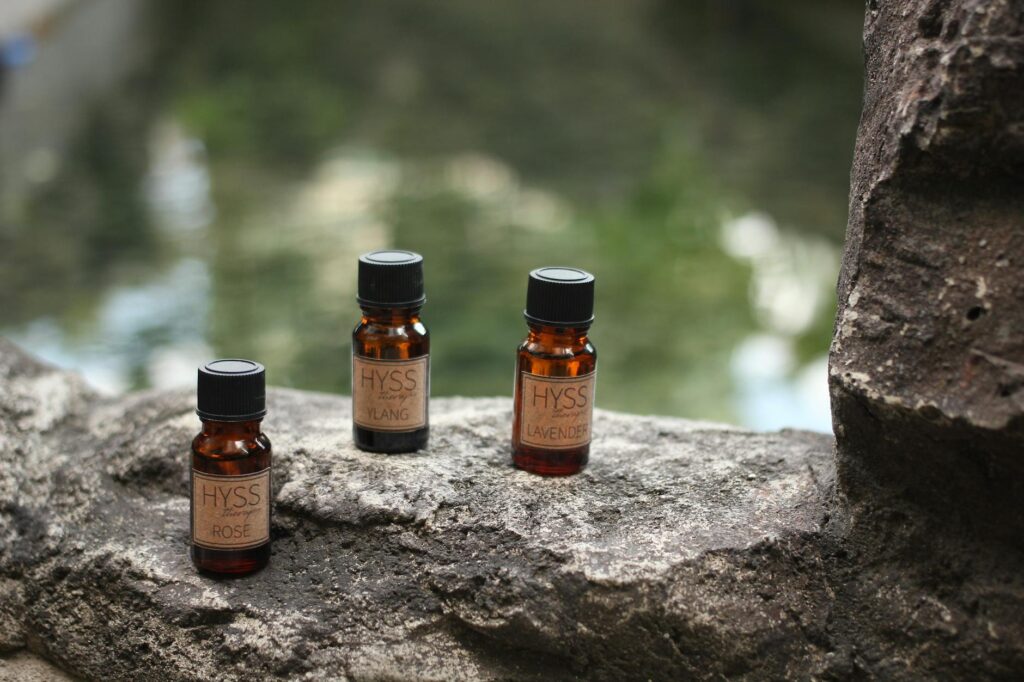
Complete Guide to Ylang Ylang Oil Part 7
Introduction
Ylang ylang oil, derived from the flowers of the Cananga odorata tree, is an essential oil celebrated for its sweet, floral aroma and numerous applications in the realm of aromatherapy and natural wellness. This oil has been used for centuries in various cultures, not only for its fragrance but also for its reputed therapeutic properties. In this comprehensive guide, we will explore what ylang ylang oil is, its key benefits, common uses, applications in aromatherapy, safety considerations, storage tips, and address frequently asked questions.
What Is Ylang Ylang Oil?
Ylang ylang oil is extracted from the star-shaped yellow flowers of the Cananga odorata tree, native to tropical regions of Asia, particularly the Philippines and Indonesia. The name “ylang ylang” translates to “flower of flowers” in Tagalog, reflecting its esteemed status in local culture. The oil is typically obtained through steam distillation of the fresh flowers, with the first distillation yielding the most aromatic and high-quality oil.
The oil is characterized by its rich, sweet, and slightly fruity scent, making it a popular choice in perfumery and natural fragrances. Ylang ylang oil is often blended with other essential oils, such as bergamot, jasmine, and sandalwood, to create complex and pleasing aromas.
Key Benefits and Properties
Ylang ylang oil is known for its diverse range of benefits and properties, which can be categorized into several key areas:
1. Emotional Well-being
Ylang ylang oil is often lauded for its uplifting and calming effects. It is believed to help reduce stress, anxiety, and feelings of sadness. The oil’s sweet fragrance can create a soothing atmosphere, helping to promote relaxation and emotional balance.
2. Skin Care
The oil possesses antiseptic properties that may benefit the skin. It is often included in formulations for oily and acne-prone skin due to its ability to regulate sebum production. Additionally, ylang ylang oil can help promote skin elasticity and hydration, making it a valuable addition to skincare products.
3. Hair Care
Ylang ylang oil is frequently used in hair care products for its ability to nourish the scalp and promote healthy hair growth. Its moisturizing properties can help combat dryness and improve hair texture.
4. Aphrodisiac Qualities
Traditionally, ylang ylang oil has been regarded as an aphrodisiac, believed to enhance romantic feelings and intimacy. Its enticing fragrance is often used in perfumes and blends designed to evoke passion.
5. Anti-inflammatory and Antioxidant Effects
Preliminary research suggests that ylang ylang oil may exhibit anti-inflammatory and antioxidant properties, which can contribute to overall health and wellness.
Common Uses
Ylang ylang oil is versatile and can be used in various applications, including:
- Perfumes and Fragrances: Its appealing scent makes it a popular ingredient in high-end perfumes and scented products.
- Aromatherapy Diffusers: Commonly used in diffusers to create a calming atmosphere, particularly in spaces meant for relaxation or meditation.
- Massage Oils: Blended with carrier oils, ylang ylang can be used in massage therapy to enhance relaxation and alleviate tension.
- Skincare Products: Incorporated into lotions, creams, and serums for its skin-nourishing properties.
- Hair Care Formulations: Found in shampoos and conditioners for promoting healthy hair and scalp.
- Skin Sensitivity: Always perform a patch test before using ylang ylang oil on the skin, as some individuals may experience allergic reactions or irritation.
- Dilution: Essential oils should be diluted with a carrier oil before topical application to minimize the risk of skin irritation.
- Pregnancy and Nursing: Pregnant or nursing individuals should consult with a qualified healthcare professional before using ylang ylang oil.
- Interaction with Medications: If you are taking medications, particularly those affecting mood or blood pressure, consult a healthcare provider before using ylang ylang oil, as it may interact with certain medications.
- Not for Ingestion: Ylang ylang oil is not intended for internal use. Ingestion can lead to adverse effects.
- Cool, Dark Place: Store the oil in a cool, dark environment away from direct sunlight and heat sources.
- Tightly Sealed Containers: Use dark glass bottles with airtight seals to protect the oil from oxidation and contamination.
- Shelf Life: When stored correctly, ylang ylang oil typically has a shelf life of 2 to 3 years. However, it is advisable to check for any changes in color, scent, or consistency before use.
Aromatherapy Applications
1. Calming Blend
To create a calming atmosphere, ylang ylang oil can be combined with other essential oils known for their relaxing properties, such as lavender and chamomile. This blend can be used in a diffuser or as a massage oil.
2. Mood Lifter
For an uplifting scent, ylang ylang can be blended with citrus oils like bergamot or sweet orange. This combination is excellent for combating feelings of sadness or anxiety.
3. Romantic Atmosphere
For those looking to enhance intimacy, ylang ylang can be paired with other essential oils like sandalwood and jasmine in a diffuser or in a massage oil.
4. Skincare Routine
For skincare, ylang ylang can be diluted in a carrier oil, such as jojoba or coconut oil, and applied directly to the skin to help balance oil production and moisturize.
Safety Considerations
While ylang ylang oil is generally considered safe for use, certain precautions should be observed:
Storage and Shelf Life
To ensure the longevity and efficacy of ylang ylang oil, proper storage is essential:
Frequently Asked Questions
1. Can ylang ylang oil be used during pregnancy?
While some people use ylang ylang oil during pregnancy, it is best to consult a healthcare professional to ensure safety.
2. Is ylang ylang oil safe for children?
Ylang ylang oil can be used with children, but it should be diluted properly due to their sensitive skin. Always consult a pediatrician before use.
3. Can ylang ylang oil help with insomnia?
The calming properties of ylang ylang oil may aid in promoting relaxation, but individual results may vary. It is often used in bedtime blends to create a soothing environment.
4. What other oils blend well with ylang ylang?
Ylang ylang oil pairs well with other floral oils like jasmine and rose, as well as citrus oils like bergamot and sweet orange, and earthy oils like sandalwood.
5. Is ylang ylang oil suitable for sensitive skin?
While ylang ylang oil has beneficial properties for the skin, those with sensitive skin should conduct a patch test before full application.
Conclusion
Ylang ylang oil is a multifaceted essential oil with a rich history and a broad spectrum of applications in aromatherapy, skincare, and personal care. Its sweet aroma and potential benefits make it a valuable addition to the essential oil repertoire. As with all essential oils, responsible use and attention to safety considerations are paramount. Whether used for its fragrance, emotional support, or skincare benefits, ylang ylang oil remains a cherished oil in the world of natural wellness.