
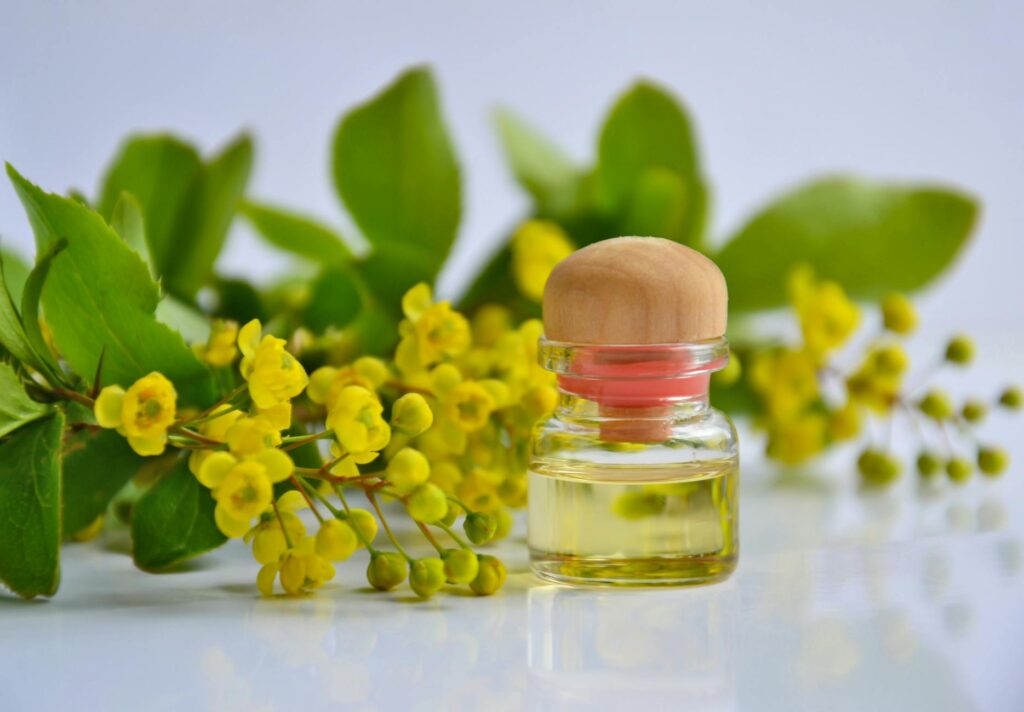
Health Benefits of Aromatherapy Blends for Animal Wellness
Introduction
Aromatherapy, the practice of using essential oils extracted from plants for therapeutic purposes, has gained recognition not only among humans but also in the realm of animal wellness. As pet owners increasingly seek natural alternatives to support their furry companions’ health and well-being, aromatherapy blends have emerged as a popular choice. This article explores the benefits, applications, and safety considerations of using aromatherapy blends for animals, providing an informative guide for those interested in this holistic approach.
What Is Aromatherapy Blends for Animal Wellness?
Aromatherapy blends for animal wellness consist of carefully formulated mixtures of essential oils designed to promote physical and emotional well-being in animals. These blends can harness the natural properties of various plant extracts, providing support for a range of issues such as stress, anxiety, and minor ailments. The practice is rooted in the principles of holistic health, emphasizing the interconnectedness of body, mind, and spirit.
Key Benefits and Properties
Emotional Support
One of the most significant benefits of aromatherapy for animals is its potential to provide emotional support. Many animals experience stress and anxiety due to changes in their environment, loud noises, or interactions with other animals. Essential oils such as lavender, chamomile, and bergamot are known for their calming properties, which can help alleviate feelings of distress.
Physical Wellness
Certain essential oils possess anti-inflammatory, analgesic, and antibacterial properties that can support physical wellness. For example, oils like tea tree and eucalyptus may contribute to skin health, while peppermint and ginger are often used for digestive support. When blended appropriately, these oils can create a synergistic effect that enhances their individual properties.
Improved Behavior
Aromatherapy can also play a role in modifying behavior. Many pet owners have reported that introducing calming scents into their pets’ environments can lead to improved behavior during stressful situations, such as thunderstorms or visits to the veterinarian. This can foster a more harmonious relationship between pets and their owners.
Enhanced Bonding
Using aromatherapy blends as part of a pet’s care routine can enhance the bond between the animal and its owner. The process of applying the oils or diffusing them creates an opportunity for physical closeness and positive interactions, reinforcing trust and affection.
Common Uses
Aromatherapy blends can be used for a variety of purposes, including but not limited to:
Anxiety Relief
Many pets experience anxiety during stressful situations. Aromatherapy blends containing calming oils can help ease this anxiety, promoting relaxation.
Skin and Coat Health
Essential oils such as lavender, chamomile, and geranium can support skin health and improve the condition of a pet’s coat. These oils may help soothe irritations and promote a healthy shine.
Digestive Support
Certain blends can aid in digestive health, addressing issues such as nausea or upset stomach. Oils like peppermint and ginger are commonly included in these formulations.
Respiratory Support
For pets suffering from respiratory issues, certain essential oils may provide relief. Eucalyptus and rosemary are examples of oils known for their potential to support respiratory health.
Aromatherapy Applications
There are several ways to apply aromatherapy blends for animal wellness:
Diffusion
Using an essential oil diffuser allows pet owners to disperse the aroma throughout a room. This method is effective for creating a calming atmosphere and is particularly useful for anxious pets.
Topical Application
Diluting essential oils in a carrier oil before applying them to a pet’s skin can provide localized benefits. This method is suitable for issues such as skin irritations or muscle discomfort. Always ensure that the oils are safe for the specific animal species and breed.
Bathing
Adding a few drops of essential oils to a pet’s bath can enhance the bathing experience while promoting relaxation and skin health. It’s important to choose oils that are safe for topical use on animals.
Sprays
Creating a spray with diluted essential oils can be a convenient way to freshen a pet’s living space or bedding. This method allows for easy application while ensuring that the essential oils are used in a safe and controlled manner.
Safety Considerations
While aromatherapy can offer numerous benefits, it is essential to approach its use with caution. Here are some key safety considerations:
Species-Specific Oils
Not all essential oils are safe for every animal species. For example, some oils that are safe for dogs can be toxic to cats and vice versa. Always research the safety of specific oils for the type of animal you are working with.
Dilution
Essential oils are highly concentrated and should always be diluted before topical application. A general guideline is to use a carrier oil, such as coconut or olive oil, to dilute essential oils to a safe concentration.
Sensitivity and Allergies
Just as humans can have sensitivities or allergies to certain substances, animals can too. Monitor your pet for any adverse reactions when introducing new essential oils, and discontinue use if any signs of irritation or discomfort occur.
Consultation with Professionals
Before starting any new wellness regimen, including aromatherapy, it is advisable to consult with a veterinarian, particularly if your pet has existing health conditions or is on medication.
Storage and Shelf Life
Proper storage of essential oils is essential to maintain their efficacy and safety. Here are some guidelines:
Storage Conditions
Essential oils should be stored in a cool, dark place away from direct sunlight and heat sources. This helps preserve their potency and prevents degradation.
Container Types
Glass containers are preferable for storing essential oils, as plastic can interact negatively with the oils and affect their quality. Amber or cobalt blue bottles are ideal as they protect the oils from UV light.
Shelf Life
The shelf life of essential oils varies depending on the type of oil and storage conditions. Generally, citrus oils have a shorter shelf life of about 1-2 years, while oils like patchouli and sandalwood can last longer, sometimes up to 5 years or more. Regularly check stored oils for any changes in odor or appearance.
Frequently Asked Questions
Can all pets benefit from aromatherapy?
While many pets can benefit from aromatherapy, individual responses may vary. It is crucial to consider the specific needs of each animal and consult a veterinarian if unsure.
How do I choose the right blend for my pet?
Selecting the appropriate blend depends on your pet’s specific needs. Research the properties of different essential oils, and consider your pet’s health, behavior, and preferences when making a choice.
How often can I use aromatherapy on my pet?
The frequency of use depends on the specific blend and the needs of your pet. Monitor their response and adjust the frequency accordingly. It’s often recommended to start slow and observe any changes in behavior or health.
Are there any essential oils I should avoid?
Yes, certain essential oils are known to be toxic to pets, particularly cats and some small animals. Oils such as tea tree, onion, garlic, and citrus oils should be used with caution or avoided altogether. Always verify the safety of specific oils before use.
Can aromatherapy replace veterinary care?
Aromatherapy is not a substitute for veterinary care. It can be a complementary approach to support your pet’s wellness, but any health concerns should be addressed by a qualified veterinarian.
Conclusion
Aromatherapy blends offer a holistic approach to enhancing animal wellness, providing emotional and physical support through the natural properties of essential oils. While the benefits can be substantial, it is crucial to approach their use with care, ensuring that safety considerations are prioritized. By understanding the properties, applications, and precautions associated with aromatherapy, pet owners can create a nurturing environment that promotes the health and happiness of their beloved companions.