
Health Benefits of Aromatherapy Blends for Anti-Inflammation
Introduction
Aromatherapy, a holistic healing practice that utilizes the aromatic properties of essential oils, has gained considerable attention for its potential health benefits. Among the various applications of aromatherapy, the use of essential oil blends for anti-inflammation is particularly noteworthy. Inflammation, a natural immune response, can become detrimental when chronic, leading to various health issues. This article explores the concept of aromatherapy blends specifically targeting inflammation, the benefits they offer, common uses, and safety considerations.
What Is Aromatherapy Blends for Anti-Inflammation?
Aromatherapy blends for anti-inflammation consist of specific combinations of essential oils known for their anti-inflammatory properties. Essential oils are concentrated plant extracts obtained through distillation or cold pressing, encapsulating the plant’s natural healing qualities. Common oils used in anti-inflammatory blends include lavender, chamomile, eucalyptus, and peppermint, among others. These oils can be combined in various ratios to create synergistic effects, enhancing their overall therapeutic benefits.
Key Benefits and Properties
The health benefits of aromatherapy blends for anti-inflammation stem from the individual properties of the essential oils used. Here are some notable benefits:
1. Reduction of Inflammation: Some essential oils possess inherent anti-inflammatory properties that can help reduce swelling and pain. For example, eucalyptus oil is known for its ability to soothe irritated tissues, while chamomile oil can alleviate inflamed skin conditions.
2. Pain Relief: Aromatherapy can act as a natural analgesic. Oils such as peppermint and ginger have been studied for their ability to provide relief from muscle and joint pain, making them valuable components of anti-inflammatory blends.
3. Mood Enhancement: Chronic inflammation can adversely affect mental health. Essential oils like lavender and bergamot can promote relaxation and improve mood, which may indirectly support the body’s healing processes.
4. Antioxidant Properties: Many essential oils are rich in antioxidants, which can combat oxidative stress—a contributor to inflammation. Oils like rosemary and thyme contain compounds that help neutralize free radicals, potentially reducing inflammation.
5. Improved Circulation: Certain essential oils can enhance blood circulation, which is crucial for delivering nutrients and oxygen to inflamed areas. Oils such as black pepper and ginger can stimulate blood flow, aiding in the healing process.
Common Uses
Aromatherapy blends targeting inflammation can be used in a variety of ways:
- Topical Application: Diluting essential oils in a carrier oil (such as coconut or jojoba oil) allows for direct application to inflamed areas. This method is commonly used for muscle pain, joint discomfort, and skin irritations.
- Diffusion: Using an essential oil diffuser can disperse the therapeutic properties of the oils into the air, promoting relaxation and potentially reducing stress-related inflammation.
- Inhalation: Simply inhaling essential oils directly from the bottle or via steam inhalation can provide quick relief for respiratory inflammation and promote an overall sense of well-being.
- Bath Soaks: Adding essential oils to bathwater can create a soothing experience, allowing for both topical and inhalation benefits as the oils are absorbed through the skin and inhaled as steam.
- Muscle and Joint Pain Relief: A blend of peppermint, ginger, and eucalyptus oils can be effective for soothing sore muscles and joints. These oils can be diluted and massaged into the affected areas.
- Skin Inflammation: For conditions such as eczema or dermatitis, a blend of chamomile, lavender, and tea tree oil can provide relief. This blend can be diluted and applied topically to the skin.
- Respiratory Support: Inhalation of a blend containing eucalyptus and tea tree oil can help soothe respiratory inflammation, making it useful during allergy season or for colds.
- Stress Reduction: Blends featuring lavender and bergamot can promote relaxation, helping to alleviate stress-induced inflammation. Diffusing these oils in the home creates a calming environment.
- Dilution: Always dilute essential oils with a carrier oil before applying to the skin to prevent irritation. A common dilution ratio is 2-3 drops of essential oil per teaspoon of carrier oil.
- Patch Testing: Conduct a patch test on a small area of skin to check for any allergic reactions before using a new blend extensively.
- Pregnancy and Medical Conditions: Pregnant individuals or those with medical conditions should consult a qualified healthcare professional before using essential oils, as some oils may not be safe during pregnancy or could interact with medications.
- Quality of Essential Oils: Use high-quality, pure essential oils from reputable sources to ensure safety and efficacy. Synthetic or adulterated oils may not provide the desired benefits and could pose health risks.
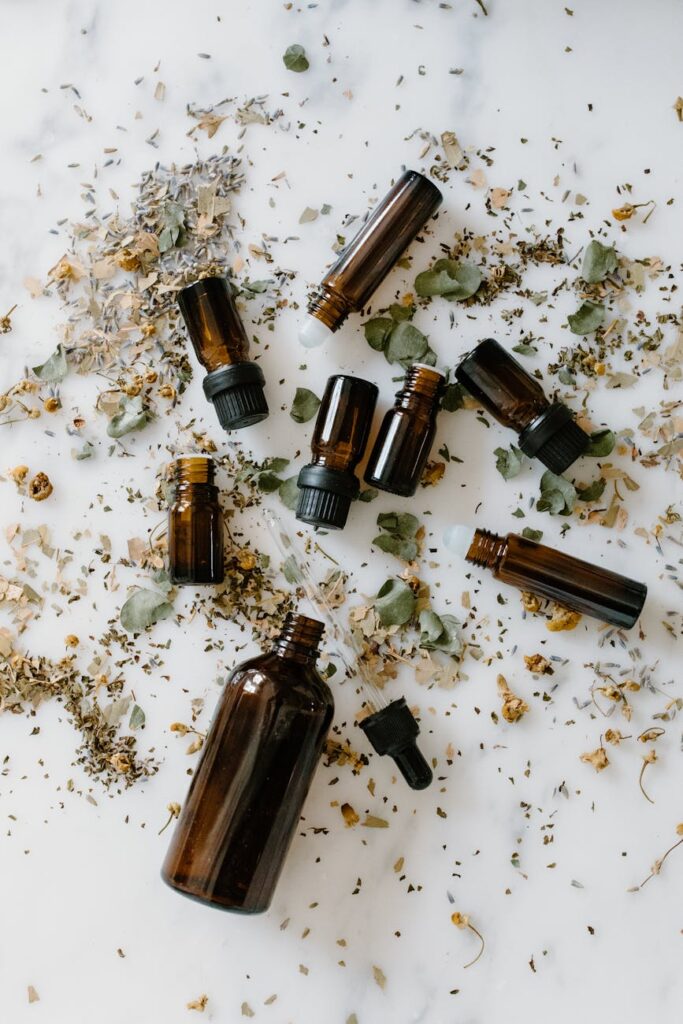
- Dark Glass Containers: Store oils in dark glass bottles to protect them from light, which can degrade the quality over time.
- Cool, Dry Place: Keep essential oils in a cool, dry environment away from direct sunlight and heat sources, as high temperatures can cause the oils to oxidize.
- Shelf Life: The shelf life of essential oils varies depending on the oil type. Citrus oils tend to have a shorter shelf life (around 1-2 years), while oils like sandalwood and patchouli can last for several years if stored properly. Always check for changes in scent or consistency, which may indicate that the oil has gone bad.
Aromatherapy Applications
The versatility of aromatherapy blends for anti-inflammation allows them to be tailored to specific needs. Here are some common applications:
Safety Considerations
While aromatherapy is generally considered safe when used properly, it is important to exercise caution:
Storage and Shelf Life
Proper storage of essential oils is essential to maintain their potency and effectiveness. Here are some tips for storing your aromatherapy blends:
Frequently Asked Questions
Q: Can aromatherapy replace conventional medicine for inflammation?
A: Aromatherapy should not be considered a replacement for conventional medicine. While it may provide complementary support, it is essential to consult a healthcare professional for persistent or severe inflammatory conditions.
Q: How often can I use aromatherapy blends for anti-inflammation?
A: The frequency of use depends on individual preferences and needs. It is advisable to start with small amounts and gradually increase as tolerated. Always follow the guidelines for dilution and application methods.
Q: Are there specific essential oils that should be avoided?
A: Some essential oils can cause skin irritation or allergic reactions; these may include cinnamon, clove, and certain citrus oils when exposed to sunlight. Always perform patch tests and consult reputable sources for guidance on safe use.
Q: Can children use essential oils for inflammation?
A: While some essential oils can be used safely with children, it is important to dilute them significantly and consult a healthcare professional for appropriate oils and usage.
Q: How can I find the right blend for my needs?
A: Experimenting with different essential oil combinations can help you find the right blend. Consider your specific symptoms and preferences. Consulting an aromatherapist can also provide personalized recommendations.
Conclusion
Aromatherapy blends for anti-inflammation offer a natural and holistic approach to managing inflammation. By harnessing the therapeutic properties of essential oils, individuals can explore various applications that may enhance their overall well-being. While aromatherapy presents numerous benefits, it is crucial to approach its use with knowledge and care, considering safety guidelines and consulting professionals when necessary. With the right information and practices, aromatherapy can be a valuable addition to one’s wellness routine.