
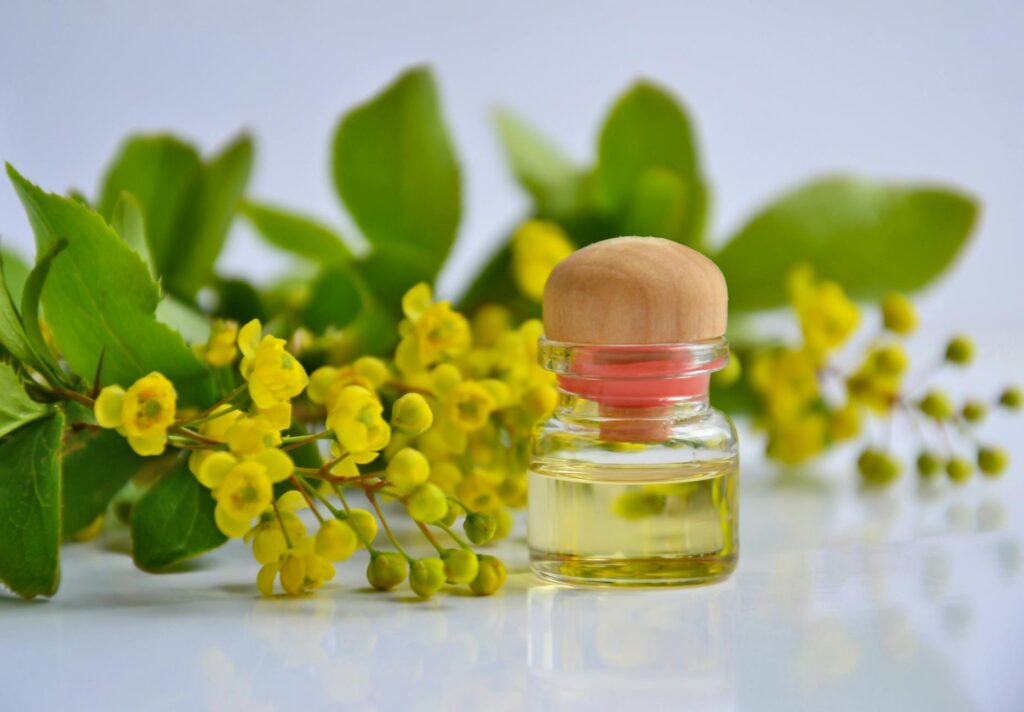
Health Benefits of Aromatherapy Blends for Anxiety Relief
Introduction
In an increasingly fast-paced world, anxiety has become a common experience for many individuals. As people seek natural alternatives to manage their stress and anxiety levels, aromatherapy has emerged as a popular option. This therapeutic practice utilizes essential oils extracted from plants, flowers, and herbs to promote emotional and psychological well-being. This article aims to explore aromatherapy blends specifically formulated for anxiety relief, discussing their properties, applications, and benefits.
What Is Aromatherapy Blends for Anxiety Relief?
Aromatherapy blends for anxiety relief consist of carefully curated combinations of essential oils, each selected for its unique properties that contribute to reducing stress and promoting relaxation. These blends can be used in various forms, such as diffusers, topical applications, or inhalation methods. Common essential oils included in these blends typically possess calming, soothing, or mood-enhancing effects.
Essential oils are concentrated plant extracts that capture the natural aroma and beneficial properties of the source material. When used in aromatherapy, these oils interact with the olfactory system and the limbic system in the brain, which is closely linked to emotions and memory. Through inhalation or skin absorption, the effects of these oils can help alleviate feelings of anxiety and stress.
Key Benefits and Properties
Aromatherapy blends for anxiety relief offer several potential benefits:
1. Calming Effects
Many essential oils, such as lavender, chamomile, and bergamot, are known for their calming properties. These oils can help lower heart rates, reduce blood pressure, and promote a sense of tranquility.
2. Mood Enhancement
Certain essential oils have uplifting properties that can enhance mood and decrease feelings of stress. Oils like sweet orange and ylang-ylang can stimulate the production of serotonin, the hormone responsible for feelings of happiness and well-being.
3. Stress Reduction
Studies have shown that inhaling certain essential oils can lead to a reduction in cortisol levels, the hormone primarily associated with stress. This reduction can lead to an overall feeling of relaxation.
4. Sleep Improvement
Aromatherapy blends can also promote better sleep quality, which is often compromised in individuals experiencing anxiety. Oils like lavender and cedarwood are well-known for their sedative effects, helping to facilitate a restful night’s sleep.
5. Emotional Balance
The therapeutic properties of essential oils can help restore emotional balance by addressing feelings of anxiety and tension. Regular use of these blends may contribute to improved emotional resilience over time.
Common Uses
Aromatherapy blends for anxiety relief can be employed in various scenarios. Common uses include:
- Home Environment: Diffusing essential oils in living areas can create a calming atmosphere, making it easier to unwind after a long day.
- Workplace: Many individuals use essential oils in their office spaces to help manage stress and enhance focus.
- Personal Care: Incorporating essential oils into skincare routines or massages can provide both relaxation and skin benefits.
- Travel: Portable inhalers or roller blends can be beneficial for anxiety relief during travel or high-stress situations.
- Dilution: Always dilute essential oils with a carrier oil before applying them to the skin to avoid irritation.
- Allergies: Conduct a patch test before using a new essential oil to check for allergic reactions.
- Pregnancy: Pregnant individuals should consult with a qualified practitioner before using essential oils, as some may not be safe during pregnancy.
- Medical Conditions: Those with chronic health issues or who are taking medications should seek guidance from a healthcare professional before using essential oils.
- Children and Pets: Some essential oils may not be suitable for young children or pets, so it is important to research and ensure safety for these groups.
- Cool, Dark Place: Essential oils should be stored in a cool, dark location away from sunlight to prevent degradation.
- Sealed Containers: Use dark glass bottles to protect essential oils from light and air exposure, which can diminish their quality.
- Shelf Life: The shelf life of essential oils varies by type, but most are best used within 1-3 years. Citrus oils tend to have a shorter shelf life, while oils like sandalwood and patchouli can last longer.
Aromatherapy Applications
There are several methods to apply aromatherapy blends for anxiety relief:
1. Diffusion
Using an essential oil diffuser allows the therapeutic benefits of essential oils to permeate the air in a room. This method is ideal for creating a calming environment, especially during meditation, yoga, or relaxation practices.
2. Inhalation
Direct inhalation involves placing a few drops of essential oil on a tissue or cotton ball and taking deep breaths. This quick method can provide immediate relief in stressful situations.
3. Topical Application
Combining essential oils with a carrier oil, such as sweet almond or jojoba oil, creates a diluted blend suitable for applying to pulse points, such as wrists and temples. This method allows for both aromatic and skin benefits.
4. Bath Soaks
Adding essential oils to bath water can enhance relaxation and promote a soothing experience. Combining oils with Epsom salts can further aid in muscle relaxation and stress relief.
5. Massage
Incorporating essential oils into massage therapy can deepen relaxation and enhance the overall experience. This application not only provides emotional benefits but also physical relief from muscle tension.
Safety Considerations
While aromatherapy blends are generally considered safe, it is essential to take precautions:
Storage and Shelf Life
Proper storage of essential oils and aromatherapy blends is crucial to maintain their efficacy:
Frequently Asked Questions
1. How do I choose the right aromatherapy blend for anxiety relief?
Selecting a blend often comes down to personal preference and individual responses to specific scents. It may be beneficial to explore different oils and blends to determine which ones resonate with you. Some popular options for anxiety relief include lavender, bergamot, chamomile, and frankincense.
2. Can aromatherapy replace traditional treatments for anxiety?
Aromatherapy can be a complementary approach to managing anxiety but should not be seen as a replacement for professional medical treatment. Individuals with severe anxiety disorders should consult a healthcare professional for comprehensive care.
3. How often should I use aromatherapy blends for anxiety relief?
The frequency of use can vary based on individual needs and preferences. Many people find regular use—such as daily diffusion or occasional inhalation—beneficial for maintaining a sense of calm.
4. Are there any essential oils I should avoid?
Certain essential oils may not be suitable for everyone, particularly those with specific health conditions or sensitivities. Oils such as clary sage and rosemary should be used cautiously by pregnant individuals, while others may cause reactions in sensitive individuals. Always research and consult with professionals if unsure.
5. What’s the best way to experience the benefits of aromatherapy blends?
The best method depends on personal preference and situational context. Diffusion is ideal for creating a calming environment, while inhalation offers immediate relief. Experimenting with various applications can help individuals discover what works best for them.
Conclusion
Aromatherapy blends for anxiety relief present a natural approach to managing stress and promoting emotional well-being. By understanding the properties, benefits, and applications of essential oils, individuals can incorporate aromatherapy into their daily lives as a supportive tool for achieving balance and tranquility. As with any wellness practice, exploring aromatherapy should be done mindfully and in conjunction with other self-care strategies.