
Health Benefits of Aromatherapy Blends for Creative Inspiration
Introduction
In recent years, the interest in aromatherapy and its potential benefits has surged, particularly among individuals seeking to enhance their creativity and innovative thinking. Aromatherapy utilizes essential oils derived from plants, herbs, and flowers to promote physical, emotional, and psychological well-being. Among the various applications of aromatherapy, blends specifically designed to inspire creativity are gaining popularity. This article will explore the nature of these blends, their benefits, common uses, safety considerations, and much more.
What Is Aromatherapy Blends for Creative Inspiration?
Aromatherapy blends for creative inspiration comprise a mixture of essential oils formulated to stimulate the mind and encourage imaginative thought. These blends typically include oils known for their uplifting, clarifying, and energizing properties. The idea is to create an olfactory environment that supports cognitive openness, enhances mood, and unlocks creative potential.
Certain essential oils are believed to stimulate the brain’s limbic system, which plays a critical role in emotion and memory. By inhaling these scents, individuals may experience increased focus, reduced mental fatigue, and heightened inspiration, making it easier to engage in creative endeavors.
Key Benefits and Properties
1. Mood Enhancement
Many essential oils possess uplifting properties that can help elevate mood. Oils such as Bergamot, Sweet Orange, and Lemon are renowned for their ability to mitigate feelings of stress and anxiety, creating a more conducive environment for creativity.
2. Mental Clarity
Essential oils like Peppermint and Rosemary are often recognized for their ability to promote mental clarity and focus. These oils can help clear mental fog, allowing for a more straightforward thought process and improved problem-solving skills.
3. Stress Reduction
Stress can inhibit creativity. Oils such as Lavender and Frankincense may help reduce feelings of tension and promote relaxation, thereby allowing individuals to explore their creative potential without the burden of stress.
4. Inspiration and Motivation
Certain oils, such as Cinnamon and Ginger, are believed to stimulate passion and motivation. These oils can invigorate the mind and body, prompting action and creativity.
5. Enhanced Intuition
Some essential oils, like Sandalwood and Patchouli, are thought to enhance intuition and self-awareness. This can be particularly beneficial for artists, writers, and innovators who rely on their inner voice to guide their creative processes.
Common Uses
1. Workspace Diffusion
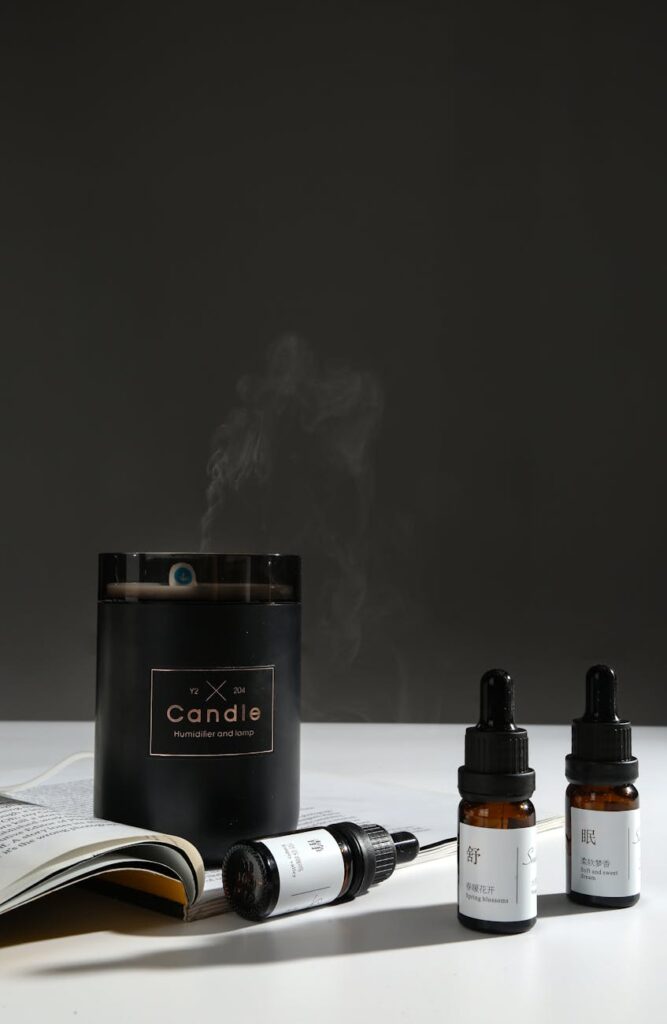
Aromatherapy blends can be used in diffusers to create an inspiring environment. By dispersing essential oils into the air, individuals can benefit from their aromatic properties while working on projects or engaging in creative activities.
2. Personal Inhalers
Personal inhalers are compact devices that allow individuals to carry their favorite essential oil blends with them. This convenient method offers a quick aromatic boost whenever needed, particularly during moments of creative block.
3. Topical Application
Aromatherapy blends may also be applied topically when diluted with a carrier oil. This method allows the essential oils to penetrate the skin and may provide an additional sense of grounding and clarity.
4. Bathing Rituals
Incorporating essential oils into bathwater can create a soothing experience. A warm bath infused with creative-focused oils can help relax the mind and stimulate creative thoughts.
Aromatherapy Applications
1. Blending Techniques
Creating effective aromatherapy blends involves understanding the properties of individual oils and how they can complement one another. A balanced blend typically includes:
- Top notes: The initial scents that are perceived (e.g., Citrus oils).
- Middle notes: The core scents that define the blend (e.g., Floral or Spicy oils).
- Base notes: The lasting scents that linger (e.g., Woody or Resinous oils).
- Bergamot: Uplifting and calming, ideal for reducing stress.
- Peppermint: Energizing and refreshing, promotes mental clarity.
- Cinnamon: Warm and stimulating, can increase motivation.
- Lavender: Relaxing and soothing, helps reduce anxiety.
- Rosemary: Enhances memory and focus.
- Dilution: Always dilute essential oils with a carrier oil before applying them to the skin to prevent irritation.
- Allergies: Conduct a patch test to check for allergic reactions, especially if you have sensitive skin.
- Pregnancy and Medical Conditions: Consult with a healthcare provider if you are pregnant, nursing, or have any medical conditions before using essential oils.
- Quality of Oils: Select high-quality, pure essential oils from reputable sources to ensure safety and efficacy.
- Container: Store essential oils in dark glass bottles to protect them from light exposure.
- Temperature: Keep oils in a cool, dry place, away from heat sources and direct sunlight.
- Shelf Life: Most essential oils have a shelf life of 1 to 3 years, depending on the oil type. Citrus oils tend to have a shorter shelf life.
2. Popular Essential Oils for Creativity
Some commonly used essential oils in creativity-focused blends include:
Safety Considerations
While aromatherapy can offer various benefits, it is essential to keep safety in mind:
Storage and Shelf Life
Proper storage of essential oils is crucial to maintaining their potency. Here are some guidelines:
Frequently Asked Questions
Q: Can I create my own aromatherapy blends for creativity?
A: Yes, creating your own blends can be a fulfilling way to tailor the experience to your preferences. Start with a few essential oils known for their creative-enhancing properties and experiment with different ratios until you find a blend that resonates with you.
Q: How long does it take to feel the effects of aromatherapy?
A: The effects of aromatherapy can vary from person to person. Some individuals may notice immediate changes in mood or focus, while others might experience gradual benefits over time.
Q: Are there any essential oils to avoid for creativity?
A: While most essential oils can be beneficial, individuals should avoid oils that are overly sedative if they are seeking inspiration and motivation. Oils like Chamomile or Valerian may not be suitable for creativity-focused blends.
Q: Can I use aromatherapy blends while working?
A: Yes, using aromatherapy blends in a workspace can enhance creativity. However, it’s essential to ensure that the scent is not overwhelming to others nearby, as some individuals may be sensitive to strong aromas.
Conclusion
Aromatherapy blends designed for creative inspiration provide a unique avenue for enhancing one’s ability to think outside the box. By understanding the properties of various essential oils and how they can work together, individuals can create personalized blends that foster creativity, reduce stress, and enhance focus. Whether used in a diffuser, as part of a personal inhaler, or during a relaxing bath, these blends can contribute to a more inspiring and imaginative environment. As with any holistic practice, individual experiences may vary, and exploring different blends may be the key to unlocking one’s creative potential.