
Health Benefits of Aromatherapy Blends for Digestive Health
Introduction
Aromatherapy, the art of using essential oils derived from plants for therapeutic purposes, has gained significant attention for its holistic approach to wellness. Among its various applications, aromatherapy blends specifically designed for digestive health have emerged as a valuable tool for many seeking natural support for gastrointestinal comfort. This article explores the essence of these blends, their benefits, common uses, applications, safety considerations, and storage practices.
What Is Aromatherapy Blends for Digestive Health?
Aromatherapy blends for digestive health typically consist of essential oils known for their carminative, soothing, or digestive-stimulating properties. These oils can be extracted from various parts of plants, such as leaves, flowers, roots, and seeds. When combined into a blend, they can create synergistic effects that may help alleviate common digestive issues such as bloating, gas, nausea, and indigestion.
The creation of these blends often involves careful selection of complementary oils that work together to enhance their overall efficacy. Popular essential oils used in digestive blends include peppermint, ginger, fennel, and chamomile, each bringing unique properties and benefits to the mix.
Key Benefits and Properties
The essential oils used in aromatherapy blends for digestive health are celebrated for their various beneficial properties:
1. Carminative Properties: Many essential oils can help relieve gas and bloating. For example, peppermint oil is known for its ability to soothe the digestive tract and reduce discomfort.
2. Anti-inflammatory Effects: Oils such as ginger and chamomile possess anti-inflammatory properties that may help alleviate irritation in the digestive system.
3. Digestive Stimulation: Certain oils, like fennel, can stimulate digestion by promoting bile production and overall digestive enzyme activity.
4. Relaxation and Stress Relief: Stress and anxiety can significantly impact digestion. Oils like lavender and bergamot can promote a sense of calm, indirectly supporting digestive health by reducing stress-related symptoms.
5. Nausea Relief: Ginger and peppermint are particularly noted for their effectiveness in reducing feelings of nausea, making them valuable components in digestive blends.
Common Uses
Aromatherapy blends for digestive health can be employed in various ways to address specific digestive concerns. Here are some common applications:
- Bloating and Gas Relief: Inhaling a blend containing peppermint, ginger, and fennel may help alleviate discomfort associated with bloating and gas.
- Nausea and Motion Sickness: A few drops of ginger and peppermint oil in a diffuser or inhaled directly from the bottle can provide relief from nausea.
- Indigestion: A soothing blend of chamomile and cardamom may help calm the stomach and ease feelings of fullness after meals.
- Stress-Related Digestive Issues: Incorporating calming oils like lavender into a blend can be beneficial for those experiencing digestive issues related to stress.
- For adults, a typical dilution is 2-3% essential oil concentration, which equates to about 12-18 drops of essential oil per 1 ounce (30 ml) of carrier oil.
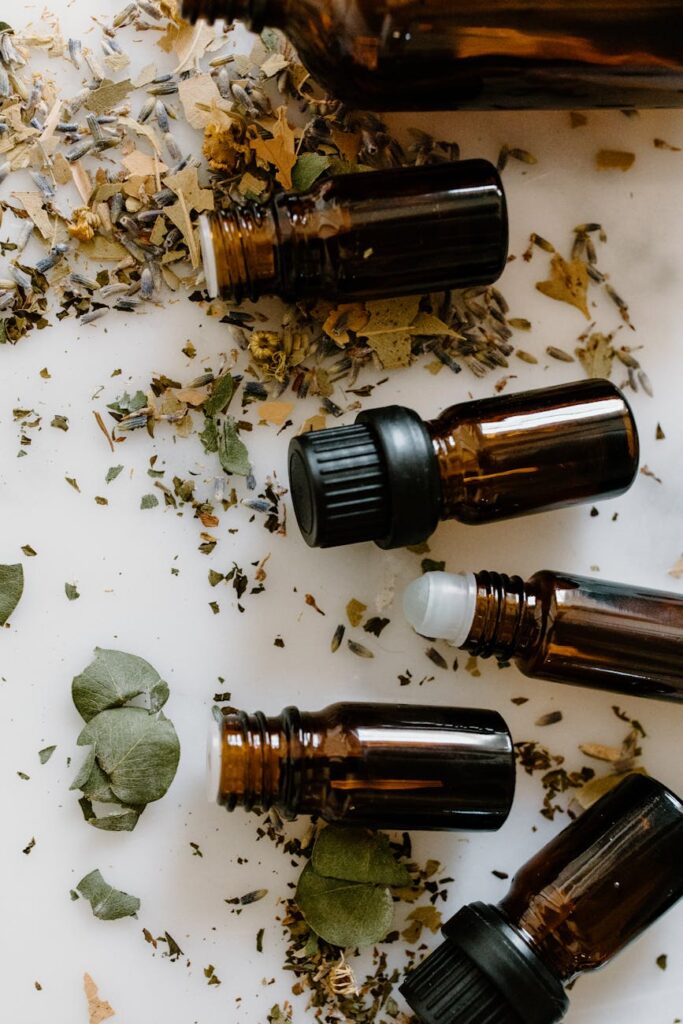
- Storage: Keep essential oils in dark glass bottles away from direct sunlight and heat. Light and heat can degrade the oils over time.
- Shelf Life: Essential oils generally have a shelf life of one to several years, depending on the oil. Citrus oils may have a shorter shelf life, while oils like patchouli can improve with age.
- Expiration: Discard any oils that have changed color, consistency, or smell, as these may be signs of degradation.
Aromatherapy Applications
There are several methods to utilize aromatherapy blends for digestive health effectively:
1. Inhalation
One of the simplest methods is inhalation. You can add a few drops of an essential oil blend to a tissue or cotton ball and breathe deeply. Alternatively, a diffuser can disperse the essential oils into the air, allowing you to inhale the beneficial aromas continuously.
2. Topical Application
Essential oils can be diluted with a carrier oil, such as coconut or jojoba oil, and massaged gently onto the abdomen. This method allows the oils to be absorbed through the skin, providing localized relief.
Recommended Dilution:
3. Bath Soaks
Incorporating essential oils into a warm bath can provide both relaxation and digestive support. Add a few drops of your chosen blend to a neutral carrier oil or bath salt and mix thoroughly before adding to the water.
4. Compresses
A warm compress with diluted essential oils can provide targeted relief for stomach discomfort. Soak a clean cloth in warm water mixed with a few drops of the essential oil blend, wring it out, and place it on the abdomen.
Safety Considerations
While aromatherapy can be a beneficial practice, safety should always be a priority:
1. Dilution: Always dilute essential oils before applying them to the skin to avoid irritation.
2. Allergies and Sensitivities: Conduct a patch test before applying a new blend to ensure no allergic reactions occur.
3. Pregnancy and Nursing: Certain essential oils may not be recommended during pregnancy or lactation. Consult with a knowledgeable professional if you are pregnant, nursing, or have specific health concerns.
4. Children: Some essential oils may not be suitable for young children. Always consult reliable resources or professionals when using essential oils around children.
5. Medical Conditions: Individuals with specific medical conditions or those taking medications should exercise caution and consult with a healthcare provider before using essential oils.
Storage and Shelf Life
Proper storage of essential oils is crucial to maintain their potency and efficacy. Follow these guidelines:
Frequently Asked Questions
1. Can aromatherapy blends replace traditional medicine for digestive issues?
Aromatherapy blends can complement traditional treatments but should not replace medical advice or treatment. Always consult a healthcare professional for serious or persistent digestive issues.
2. How long does it take to feel the effects of aromatherapy blends?
The effects of aromatherapy can vary from person to person. Some individuals may feel immediate relief, while others may require consistent use over time to notice significant benefits.
3. Are there any essential oils that should be avoided for digestive health?
Certain oils, such as those that are highly stimulating (e.g., cinnamon or clove), may cause irritation or discomfort for some individuals. It is essential to determine which oils work best for you and to avoid those that may exacerbate symptoms.
4. Can I create my own digestive health blends?
Yes! Creating your own blends can be a rewarding experience. Experiment with different combinations of essential oils known for digestive support to find a blend that works best for you.
5. How often should I use aromatherapy blends for digestive health?
Frequency of use can depend on individual needs and preferences. However, many find daily use or as needed to be effective for managing symptoms.
Conclusion
Aromatherapy blends for digestive health offer a natural approach to supporting gastrointestinal comfort. By understanding the properties and applications of these essential oils, individuals can explore their benefits in promoting overall wellness. While aromatherapy is a valuable complementary practice, it is essential to approach it with mindfulness and caution, ensuring a safe and effective experience. Through proper use and understanding, essential oils can become a cherished addition to holistic health practices.