
Health Benefits of Aromatherapy Blends for Energy Balance
Introduction
Aromatherapy, the practice of using essential oils derived from plants for therapeutic purposes, has gained widespread popularity in recent years. One specific application of aromatherapy is the use of essential oil blends to promote energy balance. This article dives into what aromatherapy blends for energy balance are, their benefits, common uses, applications, safety considerations, and storage guidelines.
What Is Aromatherapy Blends for Energy Balance?
Aromatherapy blends for energy balance are combinations of essential oils specifically formulated to enhance physical, emotional, and mental well-being. These blends are designed to restore equilibrium in the body’s energy systems, often focusing on uplifting mood, increasing vitality, and promoting relaxation. Essential oils are extracted from various parts of plants, including flowers, leaves, bark, and roots, each possessing unique properties that contribute to their overall effects.
The primary aim of energy balance blends is to harmonize the body’s energy centers, often referred to as chakras in holistic practices. These blends can be used to invigorate the senses, reduce feelings of fatigue, and elevate overall mood, making them a valuable tool for those seeking to enhance their energy levels and emotional states.
Key Benefits and Properties
Aromatherapy blends for energy balance offer a variety of benefits, including:
1. Uplifting Mood
Certain essential oils, such as citrus oils (e.g., lemon, orange), are known for their mood-enhancing properties. These oils can help combat feelings of sadness or lethargy, promoting a more positive mental state.
2. Increased Vitality
Blends that include invigorating oils like peppermint or rosemary can stimulate the senses and increase alertness. These oils are often used to combat physical fatigue and enhance focus.
3. Stress Relief
Stress can disrupt energy balance. Essential oils like lavender and chamomile possess calming properties that can help alleviate stress and promote relaxation, creating a more balanced energy state.
4. Enhanced Cognitive Function
Certain oils, such as basil and sage, are believed to support cognitive function. They can enhance concentration and mental clarity, making them useful in situations requiring focus.
5. Physical and Emotional Harmony
Aromatherapy blends can also promote emotional balance. Oils like ylang-ylang and frankincense can help soothe anxiety and create a sense of emotional well-being, contributing to overall energy balance.
Common Uses
Aromatherapy blends for energy balance can be employed in various settings and routines. Some common uses include:
1. Diffusion
Using a diffuser, essential oil blends can be dispersed into the air, allowing for inhalation of the aroma. This method is popular in homes, offices, and wellness centers to create an uplifting environment.
2. Topical Application
Diluting essential oils in a carrier oil allows for safe application on the skin. This method can be effective for localized energy balance, such as applying a blend to pulse points or areas of tension.
3. Bath Soaks
Adding essential oil blends to bathwater can provide a relaxing and invigorating experience. The warm water helps to disperse the oils, allowing for both inhalation and skin absorption.
4. Inhalation
Direct inhalation from the bottle or a cotton ball soaked in essential oil can offer immediate effects. This method is useful for quick energy boosts or stress relief.
5. Personal Inhalers
Creating a personal inhaler with a blend allows for portable use. These inhalers can be carried and used as needed throughout the day.
Aromatherapy Applications
The versatility of aromatherapy blends for energy balance enables their application in various contexts:
1. Work Environments
Incorporating essential oil blends in the workplace can enhance focus and productivity. Oils like peppermint and lemon can be particularly effective in reducing fatigue and improving concentration.
2. Exercise and Fitness
Using energy-boosting blends before or during exercise can enhance physical performance. Oils such as eucalyptus and ginger can invigorate and stimulate energy levels.
3. Meditation and Mindfulness
Certain essential oils can enhance meditation practices by promoting relaxation and emotional balance. Blends containing sandalwood or lavender can create a calming atmosphere conducive to mindfulness.
4. Daily Routines
Integrating aromatherapy blends into morning routines can set a positive tone for the day. A simple application of an energizing blend can help clear the mind and invigorate the spirit.
Safety Considerations
While aromatherapy is generally considered safe, it is essential to follow certain guidelines:
1. Dilution
Essential oils are highly concentrated and should be diluted with a carrier oil (such as coconut, jojoba, or almond oil) before topical application to avoid skin irritation.
2. Sensitivity Testing
Before using a new essential oil blend, conduct a patch test by applying a small amount to a discreet area of the skin. Wait for 24 hours to check for any adverse reactions.
3. Pregnancy and Medical Conditions
Consult with a qualified healthcare professional before using essential oils if you are pregnant, nursing, or have pre-existing medical conditions. Certain oils may not be recommended during these times.
4. Quality of Oils
Choose high-quality essential oils from reputable sources. Look for oils that are 100% pure and free from synthetic additives or fillers to ensure efficacy and safety.
Storage and Shelf Life
Proper storage is crucial to maintain the integrity and potency of essential oils. Follow these guidelines:
1. Dark Glass Bottles
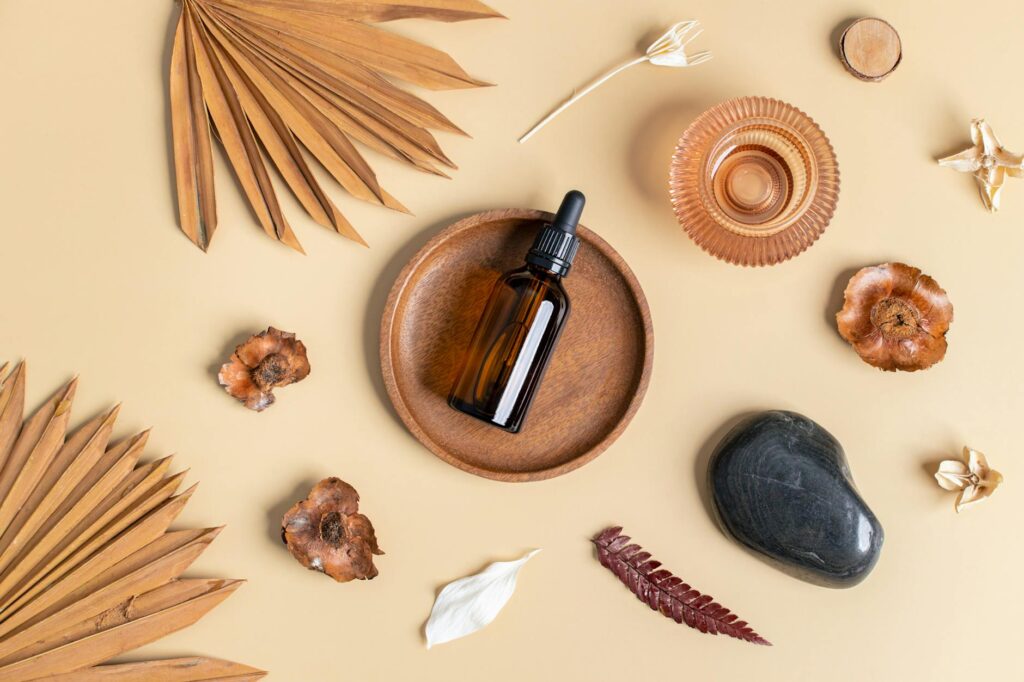
Store essential oils in dark glass bottles to protect them from light exposure, which can degrade their quality.
2. Cool, Dry Places
Keep oils in a cool, dry environment away from direct sunlight and heat sources. This helps to prolong their shelf life.
3. Shelf Life
Most essential oils have a shelf life of 1 to 5 years, depending on the type. Citrus oils, for example, tend to have a shorter shelf life compared to woody or resinous oils. Regularly check for signs of degradation, such as changes in smell or consistency.
Frequently Asked Questions
1. How do I choose the right aromatherapy blend for energy balance?
Select blends that contain essential oils known for their uplifting and invigorating properties. Consider your personal preferences and how certain scents make you feel.
2. Can aromatherapy blends replace traditional medicine?
Aromatherapy is a complementary practice and should not replace conventional medical treatments. Always consult a healthcare professional for medical advice and treatment.
3. How often can I use aromatherapy blends for energy balance?
You can use aromatherapy blends as needed, but moderation is key. If applying topically, consider using the blend once or twice daily to avoid skin irritation.
4. Can children use essential oil blends?
Some essential oils are safe for children, but others may not be appropriate. Always consult an expert in aromatherapy or a healthcare provider for guidance on using essential oils with children.
5. Are there any essential oils to avoid?
Certain oils, such as eucalyptus and peppermint, should be used with caution around infants and young children. Additionally, oils like wintergreen can be toxic if ingested. Always research specific oils before use.
Conclusion
Aromatherapy blends for energy balance offer a holistic approach to enhancing physical, emotional, and mental well-being. By understanding the properties and applications of these blends, individuals can incorporate them into their daily routines to promote a sense of vitality and equilibrium. With careful consideration of safety and quality, aromatherapy can be a valuable addition to personal wellness practices.