
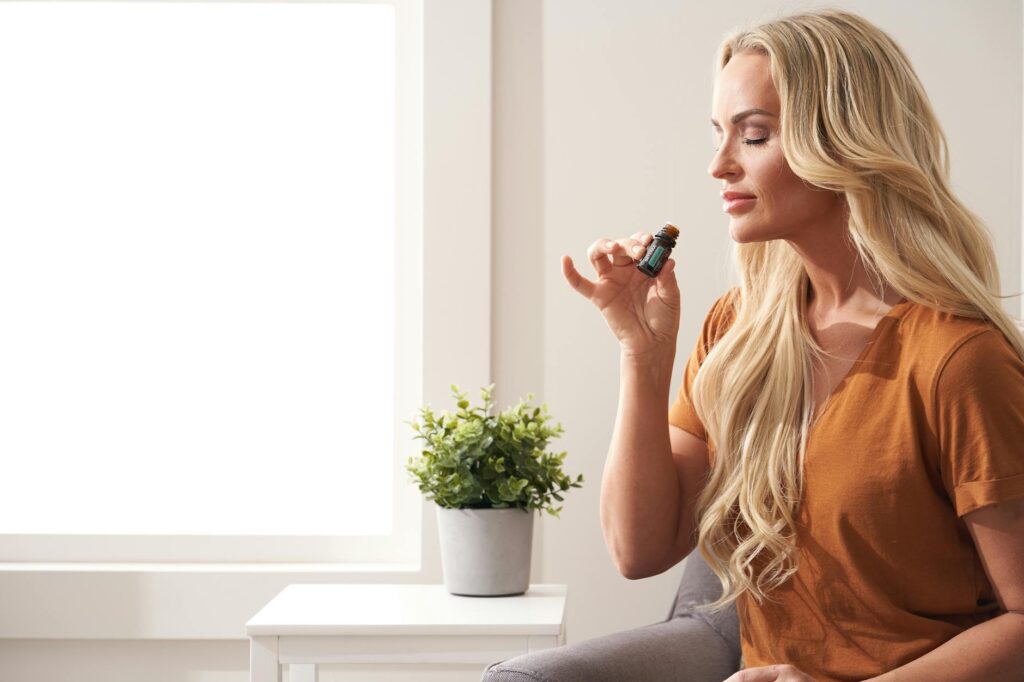
Health Benefits of Aromatherapy Blends for Enhanced Mindfulness
Introduction
In today’s fast-paced world, mindfulness has emerged as a crucial practice for achieving mental clarity, emotional well-being, and overall health. Aromatherapy, the use of essential oils extracted from plants for therapeutic benefit, offers a synergistic approach to enhancing mindfulness. By combining various essential oils into carefully crafted blends, individuals can harness the aromatic properties of these natural substances to promote relaxation, focus, and emotional balance. This article delves into the concept of aromatherapy blends specifically designed for mindfulness, exploring their benefits, applications, and considerations for use.
What Is Aromatherapy Blends for Enhanced Mindfulness?
Aromatherapy blends for enhanced mindfulness are combinations of essential oils that are specifically formulated to support mental clarity, emotional stability, and a deeper connection to the present moment. These blends typically consist of oils with calming, uplifting, or centering properties that work synergistically to promote a state of mindfulness. Commonly used essential oils in such blends may include lavender for relaxation, rosemary for focus, and citrus oils for uplifting the spirit.
Mindfulness itself is the practice of being fully present in the moment, acknowledging thoughts and feelings without judgment. Incorporating aromatherapy into this practice can enhance the overall experience, making it easier to achieve a state of awareness and tranquility.
Key Benefits and Properties
Emotional Balance
Certain essential oils possess properties that can help regulate emotions. For instance, oils like bergamot and chamomile are known for their calming effects, which can alleviate feelings of anxiety and stress. By incorporating these oils into a blend, users can create an environment conducive to emotional balance.
Enhanced Focus and Concentration
Essential oils such as rosemary and peppermint are frequently included in mindfulness blends due to their ability to stimulate mental clarity and focus. These oils can help clear mental fog, making it easier to engage in mindful practices like meditation or deep breathing.
Stress Reduction
Many essential oils, including lavender and frankincense, have been shown to reduce stress levels. The soothing properties of these oils can help create a calming atmosphere, allowing for deeper relaxation and a more effective mindfulness practice.
Improved Sleep Quality
Sleep is essential for overall well-being, and many aromatherapy blends designed for mindfulness also promote restful sleep. Oils like lavender and cedarwood can help prepare the mind for sleep, making them ideal for use in evening rituals.
Physical Relaxation
Certain oils have muscle-relaxing properties, which can further enhance the experience of mindfulness practices. Oils such as marjoram and ylang-ylang can alleviate physical tension, making it easier to sit comfortably during meditation or yoga.
Common Uses
Aromatherapy blends for mindfulness can be utilized in various settings and routines. Here are some common applications:
Meditation
Using an essential oil diffuser with a calming blend can enhance the meditation experience. The soothing scents can help create an atmosphere conducive to relaxation and focus.
Yoga
Incorporating essential oils into yoga practice can deepen the mind-body connection. Applying oils topically or using a diffuser can create a calming environment that enhances concentration and awareness.
Breathing Exercises
Simply inhaling the aroma of a mindfulness blend can facilitate deeper breathing, promoting relaxation and focus. This can be particularly useful during times of stress or anxiety.
Daily Rituals
Integrating aromatherapy into daily routines—such as morning rituals, self-care practices, or winding down in the evening—can consistently bolster mindfulness and emotional well-being.
Aromatherapy Applications
The application of aromatherapy blends can vary based on personal preference and intended use. Here are some popular methods:
Diffusion
Using an essential oil diffuser allows for a gentle release of aromatic compounds into the air. This method is ideal for creating an inviting atmosphere for meditation or relaxation.
Inhalation
Inhaling essential oils directly from the bottle or from a cotton ball can provide immediate effects. This method is often used during moments of stress or when a boost of focus is needed.
Topical Application
Diluting essential oils with a carrier oil and applying them to pulse points (such as wrists or behind the ears) can provide localized benefits. However, it is essential to perform a patch test first to avoid skin irritation.
Bathing
Adding a few drops of an aromatherapy blend to a warm bath can create a spa-like experience, facilitating relaxation and mindfulness. The warm water combined with the oils’ aromas can enhance the overall experience.
Safety Considerations
While aromatherapy can be beneficial, it is essential to approach its use with care. Here are some safety considerations:
Skin Sensitivity
Some individuals may experience skin irritation or allergic reactions to essential oils. It is advisable to conduct a patch test prior to widespread application and to dilute essential oils in a carrier oil for topical use.
Pregnancy and Nursing
Certain essential oils are not recommended for use during pregnancy or nursing. It is essential to consult with a healthcare professional before using aromatherapy in these circumstances.
Children and Pets
When using essential oils around children or pets, specific oils may be contraindicated. Always research and consider the safety of specific oils in relation to their use around vulnerable populations.
Quality of Essential Oils
Not all essential oils are created equal. It is crucial to select high-quality, pure essential oils from reputable sources. Look for oils that are labeled as “100% pure” and “therapeutic grade” to ensure safety and efficacy.
Storage and Shelf Life
Proper storage of essential oils is vital for maintaining their quality and efficacy. Here are some guidelines:
Storage Conditions
Essential oils should be stored in a cool, dark place, away from direct sunlight and heat sources. Glass bottles with airtight seals are ideal for preserving the integrity of the oils.
Shelf Life
The shelf life of essential oils can vary depending on the type of oil and its chemical composition. Generally, citrus oils have a shorter shelf life (about 1-2 years), while oils like sandalwood and patchouli may last for several years. Always check for changes in color, scent, or viscosity before use.
Frequently Asked Questions
1. Can I create my own aromatherapy blends for mindfulness?
Yes, creating your own blends can be a rewarding and personalized experience. Start with a base oil and add a few drops of complementary essential oils. Experiment with different combinations to find what resonates with you.
2. How often should I use aromatherapy blends for mindfulness?
The frequency of use depends on personal preference. Many individuals benefit from using aromatherapy blends daily, while others may reserve them for specific occasions, such as meditation or yoga practice.
3. Are there any contraindications for specific essential oils?
Yes, certain essential oils may interact with medications or have contraindications for specific health conditions. Always research individual oils and consult with a healthcare professional if necessary.
4. Can aromatherapy replace traditional mindfulness practices?
Aromatherapy is intended to complement traditional mindfulness practices, not replace them. The aromatic properties of essential oils can enhance the overall experience, but mindfulness itself is a practice that requires active engagement and awareness.
5. Can I use aromatherapy blends in my workspace?
Yes, using aromatherapy blends in your workspace can promote focus and reduce stress. However, be mindful of others’ sensitivities to scents and ensure that the use of essential oils is appropriate in your environment.
Conclusion
Aromatherapy blends for enhanced mindfulness offer a unique way to deepen the practice of being present and aware. With a rich array of essential oils available, individuals can craft blends that address their specific needs and preferences. By incorporating these blends into daily routines, meditation practices, and self-care rituals, one can foster emotional balance, clarity, and overall well-being. As with any holistic practice, the key is to approach aromatherapy with mindfulness and intention, ensuring that it enriches your journey toward greater awareness and peace.