
Health Benefits of Aromatherapy Blends for Heart Health
Introduction
Aromatherapy, the practice of using essential oils derived from plants for therapeutic benefits, has gained significant popularity in recent years. Among its many applications, aromatherapy blends specifically targeting heart health have emerged as a focus for those interested in holistic well-being. This article explores the various aspects of aromatherapy blends that are believed to promote cardiovascular health, including their benefits, common uses, applications, and safety considerations.
What Is Aromatherapy Blends for Heart Health?
Aromatherapy blends for heart health consist of carefully selected essential oils that are thought to support emotional and physical aspects of cardiovascular function. These blends often include oils known for their calming, uplifting, and soothing properties. While the primary aim is to enhance emotional well-being, some essential oils may also offer benefits that indirectly support heart health by promoting relaxation and reducing stress, factors that can significantly affect cardiovascular conditions.
Key Benefits and Properties
Aromatherapy blends for heart health can provide a range of benefits, including:
1. Stress Reduction: Chronic stress is a known contributor to heart disease. Essential oils such as lavender and bergamot are often included in heart health blends for their calming effects, which can help lower stress levels.
2. Emotional Balance: Oils like ylang-ylang and chamomile are thought to promote emotional well-being, helping to alleviate feelings of anxiety or sadness. A balanced emotional state can have a positive impact on heart health.
3. Improved Sleep Quality: Quality sleep is essential for overall health, including heart health. Oils such as cedarwood and valerian are frequently used in blends aimed at promoting better sleep, indirectly benefiting cardiovascular health.
4. Enhanced Circulation: Certain essential oils, such as ginger and black pepper, are believed to promote blood circulation, which can be beneficial for heart health.
5. Mood Elevation: Oils like sweet orange and peppermint may help uplift mood and energy levels, encouraging a more active lifestyle that supports heart health.
Common Uses
Aromatherapy blends for heart health can be utilized in several ways:
- Diffusion: Using a diffuser to disperse essential oils into the air allows for inhalation, which can create a calming environment and promote relaxation.
- Topical Application: When diluted with a carrier oil, aromatherapy blends can be applied to pulse points such as the wrists or neck for direct inhalation and skin absorption.
- Bathing: Adding essential oils to bathwater can create a soothing experience, allowing the user to relax while benefiting from the aromatic properties.
- Inhalation: Direct inhalation from the bottle or a tissue can provide immediate effects, particularly useful in stressful situations.
- Dilution: Always dilute essential oils with a carrier oil before applying them to the skin to avoid irritation.
- Allergies: Conduct a patch test on a small area of skin to check for allergic reactions before using a new essential oil.
- Consultation: Individuals with existing health conditions, pregnant or breastfeeding women, and those on medication should consult a qualified healthcare professional before using essential oils.
- Quality of Oils: Ensure that you are using pure, high-quality essential oils from reputable sources to avoid synthetic additives that may reduce therapeutic benefits.
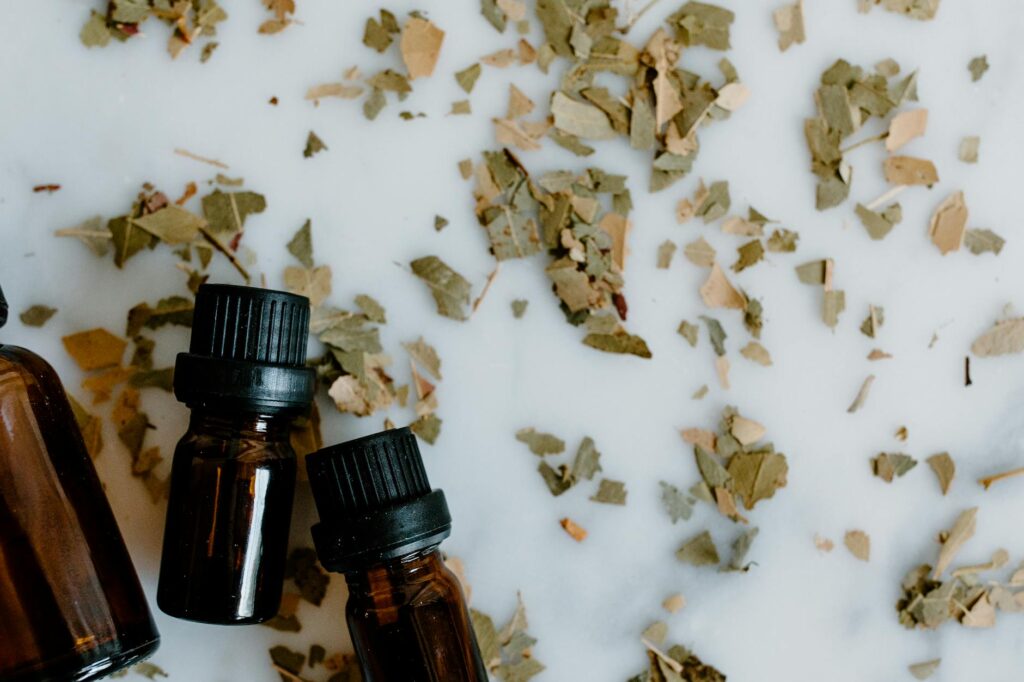
- Dark Glass Containers: Essential oils should be stored in dark glass containers to protect them from light, which can degrade their quality.
- Cool, Dry Place: Keep oils in a cool, dry place away from heat sources and sunlight.
- Shelf Life: Most essential oils have a shelf life of 1 to 3 years, although some oils, like citrus oils, may have a shorter shelf life. Regularly check for any changes in aroma or consistency, which may indicate degradation.
Aromatherapy Applications
1. Relaxation Blends: Blends that include lavender, chamomile, and bergamot can promote relaxation and alleviate stress.
2. Mood-Boosting Blends: Citrus oils like sweet orange and lemon, combined with uplifting oils like rosemary, can create a mood-enhancing experience.
3. Circulation Support: Blends featuring ginger, black pepper, and cardamom may be used to stimulate circulation.
4. Sleep Support Blends: A combination of lavender, cedarwood, and sandalwood can be used in a diffuser or during a bedtime routine to enhance sleep quality.
5. Emotional Well-Being Blends: Ylang-ylang and frankincense can be combined to create a blend aimed at emotional balance and support.
Safety Considerations
While aromatherapy can offer potential benefits, it is essential to use essential oils safely:
Storage and Shelf Life
Proper storage of essential oils is crucial to maintain their efficacy:
Frequently Asked Questions
1. Can aromatherapy replace medical treatment for heart health?
Aromatherapy should not be considered a replacement for medical treatment. It can be used as a complementary approach to enhance emotional and psychological well-being, which can indirectly support heart health.
2. Are there any essential oils that should be avoided for heart health?
Certain oils, such as those that are highly stimulating (e.g., eucalyptus or peppermint), may not be suitable for everyone, particularly those with specific heart conditions. Always consult a qualified healthcare professional for personalized advice.
3. How can I create my own heart health blend?
To create a heart health blend, start with a base of calming oils such as lavender or bergamot and add uplifting oils like sweet orange or ylang-ylang. Use a 2% dilution ratio (approximately 12 drops of essential oil per ounce of carrier oil) for topical applications.
4. Can I use aromatherapy during exercise?
Yes, certain essential oils can be invigorating and may enhance your workout experience. Consider using uplifting oils like peppermint or citrus blends before exercising.
5. What is the best method for using aromatherapy blends?
The best method depends on personal preference. Diffusion is effective for creating a calming atmosphere, while topical application may provide more direct and localized benefits. Experiment with various methods to find what works best for you.
Conclusion
Aromatherapy blends for heart health offer a unique approach to supporting emotional and psychological well-being, which can indirectly benefit cardiovascular function. By understanding the properties, applications, and safety considerations associated with these essential oils, individuals can explore the potential advantages of incorporating aromatherapy into their wellness routine. While aromatherapy should not replace traditional medical treatments, it can serve as a complementary approach to enhancing overall heart health and emotional balance.