
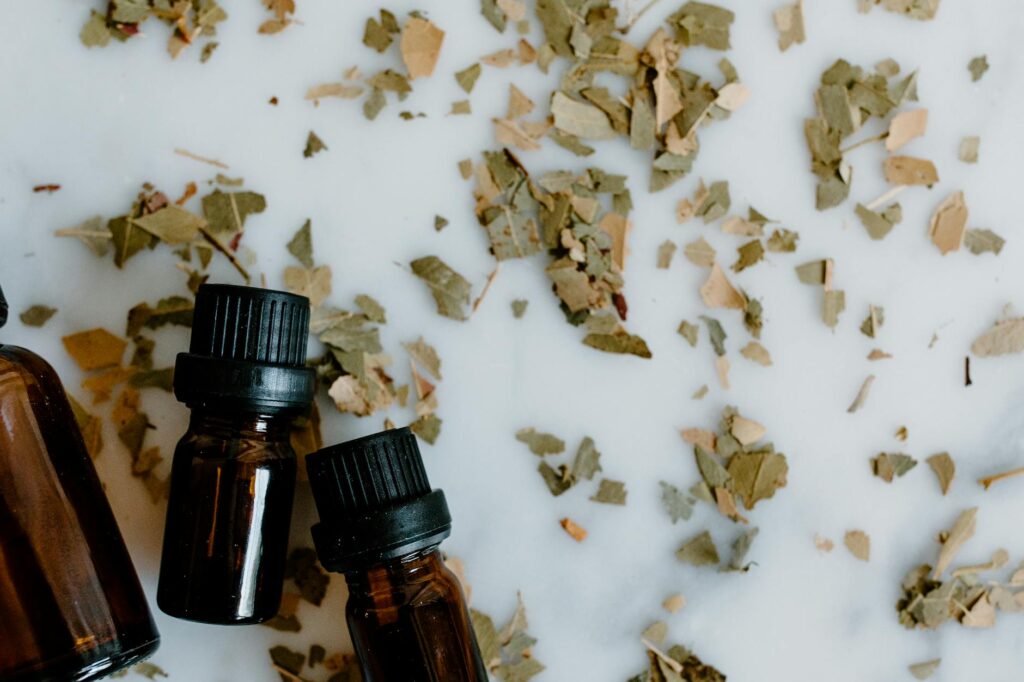
Health Benefits of Aromatherapy Blends for Hormonal Support
Introduction
Aromatherapy has gained significant popularity as a holistic practice that leverages the therapeutic properties of essential oils. Among its many applications, aromatherapy blends for hormonal support have drawn attention for their potential to influence emotional and physical well-being. This article explores the various facets of aromatherapy blends aimed at supporting hormonal health, delving into their benefits, applications, and safety considerations.
What Is Aromatherapy Blends for Hormonal Support?
Aromatherapy blends for hormonal support are combinations of essential oils specifically chosen to help balance hormones and alleviate related symptoms. Hormones play a crucial role in regulating various bodily functions, including mood, metabolism, and reproductive health. Fluctuations in hormone levels can lead to a range of issues, from mood swings to menstrual irregularities.
Essential oils are concentrated plant extracts that capture the aromatic essence of the source material. When blended thoughtfully, these oils can create synergistic effects that enhance their individual properties, making them more effective in addressing hormonal imbalances.
Key Benefits and Properties
The potential benefits of aromatherapy blends for hormonal support can be categorized based on the properties of individual essential oils. Some commonly used essential oils and their benefits include:
1. Clary Sage (Salvia sclarea)
- Properties: Considered a natural estrogen, clary sage may help regulate menstrual cycles and ease symptoms of menopause.
- Benefits: Known for its calming effects, it may also alleviate anxiety and improve mood.
- Properties: Renowned for its calming and sedative effects, lavender can help reduce stress and promote relaxation.
- Benefits: May assist in managing symptoms of PMS and menopause by balancing emotions.
- Properties: Balancing oil that may regulate hormonal levels and reduce anxiety.
- Benefits: Often used to alleviate feelings of irritability and emotional instability.
- Properties: Known for its uplifting scent, ylang ylang can help reduce stress and promote feelings of joy.
- Benefits: May help in balancing hormones and alleviating symptoms such as hot flashes.
- Properties: Known for its invigorating effects, peppermint can help alleviate headaches and increase mental clarity.
- Benefits: May assist with digestive issues and improve energy levels, which can be beneficial during hormonal fluctuations.
2. Lavender (Lavandula angustifolia)
3. Geranium (Pelargonium graveolens)
4. Ylang Ylang (Cananga odorata)
5. Peppermint (Mentha piperita)
Common Uses
Aromatherapy blends for hormonal support can be employed in various ways, depending on individual needs and preferences. Common uses include:
1. Stress Reduction
Many essential oils have calming properties that can help alleviate stress, a common contributor to hormonal imbalances. Blends that include lavender and ylang ylang can be particularly effective.
2. Menstrual Support
Essential oils like clary sage and geranium can be used to alleviate menstrual discomfort and regulate cycles.
3. Menopause Relief
Women experiencing menopause may find relief from hot flashes and mood swings through the use of specific blends containing oils like clary sage and ylang ylang.
4. Mood Enhancement
Blends aimed at improving mood can help combat anxiety and depression, which may be exacerbated by hormonal fluctuations.
Aromatherapy Applications
There are several methods for applying aromatherapy blends, each with its own advantages. Common applications include:
1. Diffusion
Using an essential oil diffuser allows for the gentle dispersal of aromatic molecules into the air. This method is ideal for creating a calming environment.
2. Topical Application
Essential oils can be diluted with a carrier oil (such as jojoba or coconut oil) and applied directly to the skin. Areas like the wrists, temples, or lower abdomen may be particularly beneficial for hormonal support.
3. Baths
Adding essential oils to bathwater can create a soothing experience. This method allows for both inhalation and topical absorption.
4. Inhalation
Directly inhaling essential oils from the bottle or a cotton ball can provide immediate effects, particularly useful for stress relief.
Safety Considerations
While essential oils are generally regarded as safe when used appropriately, certain precautions should be observed:
1. Dilution
Essential oils are highly concentrated and should always be diluted with a carrier oil before topical application to prevent skin irritation.
2. Patch Testing
Before using a new essential oil, it is advisable to conduct a patch test to check for allergic reactions.
3. Consultation
Individuals with specific health concerns or conditions, particularly those related to hormonal health, should consult with a qualified healthcare professional before using essential oils.
4. Pregnancy and Nursing
Some essential oils may not be suitable for pregnant or nursing women. It is essential to research and consult a healthcare provider in such cases.
Storage and Shelf Life
Proper storage is crucial for maintaining the potency of essential oils. Here are some guidelines:
1. Cool, Dark Place
Essential oils should be stored in a cool, dark location to prevent degradation from light and heat.
2. Tightly Sealed Containers
Ensure that bottles are tightly sealed to minimize exposure to air, which can lead to oxidation.
3. Shelf Life
The shelf life of essential oils varies by type, but most oils can last anywhere from 1 to 5 years when stored correctly. Check for signs of degradation, such as changes in color or scent.
Frequently Asked Questions
1. Can aromatherapy completely balance hormones?
While aromatherapy can support hormonal health, it is not a substitute for medical treatment. It is best used as a complementary approach.
2. How often should I use aromatherapy blends for hormonal support?
Frequency varies by individual preference and needs. Many find daily use beneficial, while others may prefer intermittent applications.
3. Can I create my own blends?
Yes, many individuals enjoy experimenting with their own blends. However, it is advisable to research the properties of each oil and ensure proper dilution.
4. Are there any specific oils to avoid?
Certain oils, such as sage and fennel, may have strong hormonal effects and should be used cautiously, especially during pregnancy or with hormone-sensitive conditions.
Conclusion
Aromatherapy blends for hormonal support offer a natural approach to help balance emotions and alleviate discomfort associated with hormonal fluctuations. By understanding the properties and applications of various essential oils, individuals can create personalized experiences that contribute to overall well-being. However, it is essential to use these blends responsibly, considering safety guidelines and consulting with healthcare professionals when necessary.