
Health Benefits of Aromatherapy Blends for Immune Resilience
Introduction
Aromatherapy, the practice of using essential oils extracted from plants for therapeutic purposes, has gained increasing popularity in recent years. Among its many applications, aromatherapy blends designed to bolster immune resilience are particularly noteworthy. With a growing body of research supporting the benefits of these blends, individuals are seeking natural ways to enhance their overall well-being. This article explores the health benefits of aromatherapy blends for immune resilience, providing a comprehensive overview of their properties, common uses, applications, and safety considerations.
What Is Aromatherapy Blends for Immune Resilience?
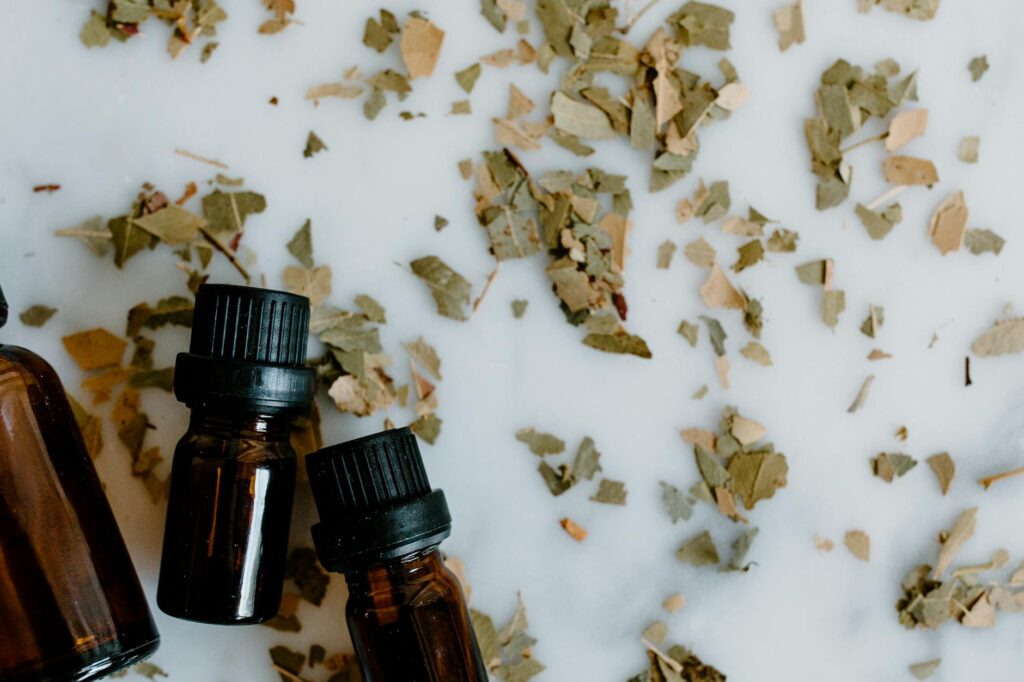
Aromatherapy blends for immune resilience are specific combinations of essential oils that work synergistically to support the body’s natural defenses. These blends typically include oils known for their antimicrobial, anti-inflammatory, and immune-stimulating properties. Common essential oils used in these blends may include tea tree, eucalyptus, lavender, lemon, and rosemary, among others.
The efficacy of these blends is attributed to the compounds found in the essential oils, which can influence physiological and psychological responses. When inhaled or absorbed through the skin, these compounds interact with the body’s systems, potentially enhancing immune function and overall health.
Key Benefits and Properties
1. Antimicrobial Properties
Many essential oils possess natural antimicrobial properties, which can help to combat pathogens such as bacteria and viruses. For instance, tea tree oil is renowned for its ability to inhibit bacterial growth, while eucalyptus oil has been shown to have antiviral properties.
2. Anti-Inflammatory Effects
Chronic inflammation is often linked to a weakened immune system. Essential oils like lavender and chamomile are known for their anti-inflammatory effects, potentially reducing inflammation in the body and supporting immune health.
3. Stress Reduction
Stress can significantly impact the immune system, making it crucial to manage stress levels for optimal health. Aromatherapy has been shown to promote relaxation and reduce anxiety, which can help support immune resilience. Oils such as bergamot and ylang-ylang are particularly effective in promoting a sense of calm.
4. Enhanced Respiratory Function
Certain essential oils can improve respiratory function, making them beneficial for immune support. Eucalyptus oil, for example, can help open airways and improve breathing, which is essential for the body’s defense mechanisms.
5. Mood Elevation
A positive mood can have a direct impact on immune function. Citrus oils like lemon and grapefruit are often used to uplift spirits and promote a sense of well-being, which may indirectly bolster the immune system.
Common Uses
Aromatherapy blends for immune resilience can be utilized in various ways, including:
- Inhalation: Diffusing essential oils in a room or inhaling directly from the bottle can quickly deliver the benefits of the oils.
- Topical Application: Diluting essential oils in a carrier oil and applying them to the skin can provide localized benefits, such as soothing inflammation or promoting relaxation.
- Bathing: Adding essential oils to a warm bath can create a calming experience while allowing the oils to be absorbed through the skin.
- Massage: Incorporating essential oils into massage oils can enhance relaxation and promote circulation, further supporting immune health.
- Dilution: Always dilute essential oils in a carrier oil before applying them to the skin to avoid irritation.
- Patch Test: Conduct a patch test on a small area of skin to check for allergic reactions before using a new essential oil.
- Pregnancy and Nursing: Certain essential oils may not be safe during pregnancy or while nursing. It is advisable to consult with a healthcare provider before use.
- Medical Conditions: Individuals with specific health conditions or those taking medications should consult with a healthcare professional before incorporating essential oils into their routine.
- Children and Pets: Some essential oils may not be safe for children or pets. Always research and use caution when introducing essential oils into environments with young children or animals.
- Cool, Dark Place: Store essential oils in a cool, dark place away from direct sunlight and heat sources.
- Tight Seals: Ensure that bottles are tightly sealed to prevent oxidation and evaporation.
- Glass Containers: Use dark glass containers, such as amber or cobalt blue, to protect the oils from light exposure.
- Shelf Life: Most essential oils have a shelf life of 1 to 3 years, depending on the oil. Citrus oils may have a shorter shelf life, while oils like patchouli and sandalwood may improve with age.
Aromatherapy Applications
Diffusion
Using a diffuser is one of the easiest ways to enjoy the benefits of aromatherapy blends. By dispersing essential oils into the air, you can create a therapeutic environment. For immune resilience, it is beneficial to diffuse blends that include oils with antimicrobial and uplifting properties.
Inhalation
Direct inhalation of essential oils can provide immediate effects. Simply placing a few drops of essential oil on a tissue or in your palms and inhaling deeply can help to clear the respiratory system and promote relaxation.
Topical Use
When applying essential oils topically, it is essential to dilute them in a carrier oil, such as coconut or jojoba oil. This not only prevents skin irritation but also enhances absorption. Common areas for application include pulse points, the chest, and the back of the neck.
Bath Soaks
Creating a bath soak with essential oils can provide a soothing experience while allowing the oils to penetrate the skin. Adding a few drops of your chosen essential oil blend to a warm bath can enhance relaxation and help combat stress.
Massage
Incorporating essential oils into a massage can help to enhance the therapeutic effects of the massage itself. Blends that focus on relaxation and stress reduction can be particularly beneficial during massage therapy sessions.
Safety Considerations
While aromatherapy blends can offer numerous benefits, it is essential to practice safety when using essential oils. Here are some important considerations:
Storage and Shelf Life
Proper storage of essential oils is crucial to maintaining their efficacy. Here are some tips for storage:
Frequently Asked Questions
1. Can aromatherapy blends replace conventional medicine?
Aromatherapy blends should not be viewed as a replacement for conventional medicine. They can complement a healthy lifestyle and provide additional support but should not be relied upon solely for medical treatment.
2. How often should I use aromatherapy blends for immune resilience?
The frequency of use can vary based on individual preferences and needs. Many people find benefits with daily use, while others may prefer to use them as needed, particularly during cold and flu seasons.
3. Are there specific blends recommended for immune resilience?
While there are many blends available, a common blend for immune resilience may include tea tree, eucalyptus, lemon, and lavender. Adjustments can be made based on personal preferences and sensitivities.
4. Can I make my own aromatherapy blends?
Yes, creating your own blends can be a rewarding experience. Start with a few essential oils known for their immune-supporting properties and experiment with different ratios until you find a combination that appeals to you.
5. What should I do if I experience an adverse reaction?
If you experience any adverse reactions, such as skin irritation or respiratory issues, discontinue use immediately and consult a healthcare professional if symptoms persist.
Conclusion
Aromatherapy blends for immune resilience offer a holistic approach to supporting the body’s natural defenses. By harnessing the properties of essential oils, individuals can enjoy various benefits, from enhanced mood to improved respiratory function. While incorporating these blends into daily routines, it is essential to prioritize safety and consult professionals as needed. Embracing aromatherapy can be a valuable addition to one’s wellness practices, contributing to enhanced overall health and well-being.