
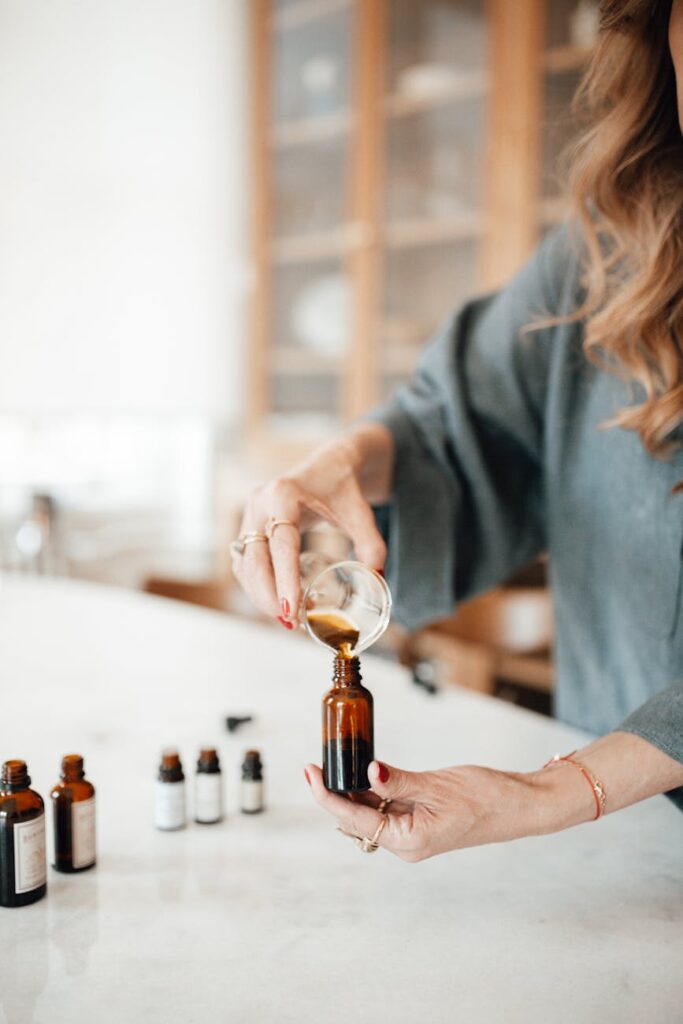
Health Benefits of Aromatherapy Blends for Immune Support
Introduction
Aromatherapy, the practice of using essential oils derived from plants for therapeutic purposes, has gained popularity for its numerous potential health benefits. Among these, aromatherapy blends designed for immune support have emerged as a focal point for those seeking natural ways to enhance their well-being. This article explores the concept of aromatherapy blends for immune support, their key benefits, common uses, applications, safety considerations, and storage guidelines.
What Is Aromatherapy Blends for Immune Support?
Aromatherapy blends for immune support consist of carefully selected essential oils that are believed to bolster the body’s natural defenses. These blends harness the properties of various essential oils, which may include antioxidant, anti-inflammatory, and antimicrobial qualities. The practice of blending oils allows for a synergistic effect, where the combined properties of multiple oils can enhance their overall effectiveness.
Essential oils used in immune support blends are often derived from plants known for their health-promoting properties, including but not limited to eucalyptus, tea tree, lavender, lemon, and oregano. When inhaled or absorbed through the skin, these oils may provide a range of benefits that support the immune system.
Key Benefits and Properties
1. Antimicrobial Properties
Many essential oils possess natural antimicrobial properties that can help combat bacteria, viruses, and fungi. For instance, tea tree oil is renowned for its antiseptic qualities, while eucalyptus oil is often used for its ability to help clear the respiratory tract, potentially reducing the risk of infections.
2. Anti-inflammatory Effects
Chronic inflammation can compromise immune function. Essential oils like frankincense and lavender are known for their anti-inflammatory properties, which may help reduce inflammation in the body and promote overall health.
3. Stress Reduction
Emotional and psychological stress can weaken the immune system. Many essential oils, such as bergamot and chamomile, are recognized for their calming properties. Incorporating these oils into aromatherapy blends can help reduce stress, thereby indirectly supporting immune health.
4. Respiratory Support
Aromatherapy blends often include oils such as peppermint and eucalyptus, which are known for their ability to support respiratory function. These oils may help open airways and promote easier breathing, which can be particularly beneficial during cold and flu season.
5. Mood Enhancement
A healthy immune system is closely linked to emotional well-being. Blends that include uplifting oils like citrus (e.g., lemon and orange) can help uplift mood and foster a positive outlook, contributing to overall wellness.
Common Uses
1. Diffusion
One of the most popular ways to utilize aromatherapy blends for immune support is through diffusion. Using an essential oil diffuser, the oils can be dispersed into the air, allowing for inhalation that may help enhance respiratory health and boost mood.
2. Topical Application
Diluted essential oils can be applied topically to areas of the body such as the chest, neck, or wrists. This method allows for localized benefits and can promote relaxation and comfort.
3. Bath Soaks
Adding essential oils to a warm bath can create a soothing and therapeutic experience. Bathing with immune-supporting blends can enhance relaxation and provide an overall sense of well-being.
4. Inhalation
Direct inhalation of essential oils can be effective for immediate benefits. This can be done by placing a few drops of oil on a tissue or in the palms of the hands, cupping them over the nose, and taking deep breaths.
Aromatherapy Applications
1. Blending Techniques
Creating effective aromatherapy blends involves understanding the unique properties of each oil. Common blending techniques include:
- Top, Middle, and Base Notes: Blending oils that fall into these categories can create a balanced and harmonious aroma. Top notes are typically the initial scent, middle notes provide body, and base notes add depth.
- Synergistic Blending: Combining oils that complement each other’s properties can enhance the therapeutic effects. For example, blending eucalyptus with lavender can provide respiratory support while promoting relaxation.
- Citrus Defense Blend: Lemon, orange, and tea tree oils.
- Respiratory Relief Blend: Eucalyptus, peppermint, and rosemary oils.
- Calming Immune Blend: Lavender, frankincense, and chamomile oils.
2. Suggested Blends
Here are a few suggested aromatherapy blends for immune support:
Safety Considerations
While essential oils are natural, they can be potent and should be used with caution. Here are some important safety considerations:
1. Dilution
Essential oils should be diluted before topical application. A common dilution ratio is 2-3 drops of essential oil per teaspoon of carrier oil, such as coconut or jojoba oil.
2. Sensitivity Testing
Before using a new essential oil, it is advisable to conduct a patch test. Apply a diluted drop to a small area of skin and monitor for any adverse reactions.
3. Contraindications
Certain essential oils may not be suitable for individuals with specific health conditions, including pregnancy or certain allergies. It is essential to be aware of any contraindications associated with the oils being used.
4. Quality of Oils
The quality of essential oils can vary significantly. It is advisable to purchase oils from reputable suppliers who provide information about sourcing, distillation methods, and purity.
Storage and Shelf Life
1. Storage Guidelines
Essential oils should be stored in a cool, dark place away from direct sunlight to preserve their potency. Glass bottles are preferable as they do not react with the oils.
2. Shelf Life
The shelf life of essential oils can vary depending on the type of oil and how well it is stored. Generally, citrus oils have a shorter shelf life (about 1-2 years), while oils like sandalwood and patchouli can last for several years if stored correctly. It is advisable to check for any changes in scent or appearance before use.
Frequently Asked Questions
1. Can aromatherapy blends replace medical treatments?
Aromatherapy blends are not a substitute for medical treatment. They can be used as complementary therapies but should not replace professional medical advice or treatment.
2. How often can I use aromatherapy blends for immune support?
The frequency of use can depend on the method of application and individual tolerance. For diffusion, using blends several times a day may be beneficial, while topical application may be limited to a few times a day.
3. Are there any essential oils that should be avoided?
Some essential oils may be irritating to the skin or have contraindications for specific populations. It is essential to research each oil and consult with professionals if unsure.
4. Where can I find high-quality essential oils?
Look for suppliers that provide clear information about sourcing, distillation processes, and purity testing. Reading reviews and seeking recommendations can also help in identifying reputable brands.
Conclusion
Aromatherapy blends for immune support offer a holistic approach to enhancing well-being. By harnessing the natural properties of essential oils, individuals can explore various applications that may contribute to a healthier lifestyle. While they provide potential benefits, it is essential to use these blends mindfully and with an understanding of safety considerations. Ultimately, integrating aromatherapy into daily routines can foster a greater sense of health and vitality.