
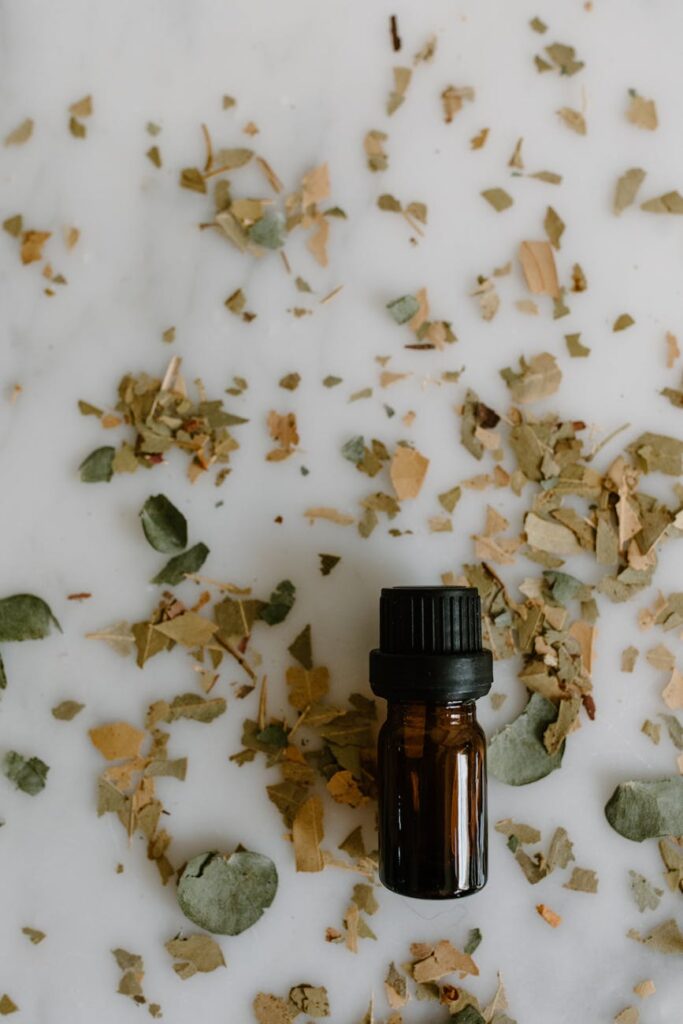
Health Benefits of Aromatherapy Blends for Immune System Recovery
Introduction
Aromatherapy, the practice of using essential oils extracted from plants for therapeutic purposes, has gained substantial popularity in recent years. Among its many applications, one of the most intriguing is its potential role in supporting immune system recovery. Essential oils, when blended appropriately, may offer a range of benefits that contribute to overall well-being. This article explores the various aspects of aromatherapy blends specifically aimed at enhancing immune system recovery.
What Is Aromatherapy Blends for Immune System Recovery?
Aromatherapy blends for immune system recovery consist of combinations of essential oils that are believed to support the body’s natural defenses. These blends are crafted to harness the unique properties of different oils, each contributing specific benefits. Commonly used essential oils in these blends include eucalyptus, tea tree, lavender, and peppermint, among others. These oils can be used in various ways, including inhalation, topical application, or diffusion, to promote a sense of well-being and support immune function.
Key Benefits and Properties
1. Antimicrobial Properties
Many essential oils possess natural antimicrobial properties that can help in fighting bacteria, viruses, and fungi. For example, tea tree oil is well-known for its potent antiseptic qualities, while eucalyptus oil has been shown to have antiviral effects. These properties can create an unfavorable environment for pathogens, potentially supporting immune health.
2. Anti-Inflammatory Effects
Essential oils such as lavender and chamomile are recognized for their anti-inflammatory properties. Inflammation can often be a barrier to recovery, and using these oils may help reduce inflammation, promoting healing and overall immune function.
3. Stress Reduction
Stress can have a detrimental impact on the immune system. Aromatherapy blends that include calming oils like lavender and bergamot can help reduce stress and anxiety, thereby indirectly supporting immune recovery. Lower stress levels can lead to improved overall health and resilience against illness.
4. Respiratory Support
Certain essential oils, such as peppermint and eucalyptus, are known for their ability to promote respiratory health. These oils can help clear nasal passages and improve breathing, which may be beneficial during times of illness.
5. Mood Enhancement
Aromatherapy can have profound effects on mood. Citrus oils like orange and lemon can uplift spirits and enhance feelings of well-being. A positive mood can play a significant role in the body’s ability to recover from illness, as emotional health is closely linked to physical health.
Common Uses
Aromatherapy blends for immune system recovery can be utilized in various contexts. Some of the most common uses include:
1. Diffusion
Using an essential oil diffuser is a popular method for dispersing aromatic molecules into the air. This method allows for easy inhalation and can create a calming atmosphere.
2. Topical Application
Diluting essential oils with carrier oils (such as coconut, jojoba, or almond oil) allows for safe topical application. This method can be effective for targeted support, such as applying a blend to the chest for respiratory benefits.
3. Bath Soaks
Adding essential oils to a warm bath can create a soothing experience while also facilitating inhalation of the therapeutic vapors. This practice can provide both physical and emotional benefits.
4. Massage
Incorporating aromatherapy blends into massage oils can enhance relaxation and improve circulation, which is beneficial for immune recovery.
Aromatherapy Applications
1. Blending Techniques
Creating effective aromatherapy blends involves understanding the properties of individual oils and how they can complement each other. A common approach is to combine:
- Base Notes: Heavier oils like sandalwood or cedarwood that provide grounding effects.
- Middle Notes: More balanced oils like lavender or rosemary that serve as the heart of the blend.
- Top Notes: Lighter, more volatile oils like citrus that provide immediate fragrance and uplifting effects.
- Eucalyptus and Tea Tree: This blend is excellent for respiratory support and has strong antimicrobial properties.
- Lavender and Bergamot: Combining these can create a calming effect while also providing anti-inflammatory benefits.
- Peppermint and Lemon: This invigorating blend can uplift mood and promote clear breathing.
2. Suggested Blends for Immune Support
Here are a few suggested blends that can be used for immune system recovery:
Safety Considerations
1. Dilution
Essential oils are highly concentrated and should be diluted before topical use. A common dilution ratio is 2-3 drops of essential oil per teaspoon of carrier oil.
2. Skin Sensitivity
Conducting a patch test before using a new essential oil blend on the skin is advisable, as some individuals may experience allergic reactions or skin irritation.
3. Pregnancy and Health Conditions
Certain essential oils may not be suitable for pregnant individuals or those with specific health conditions. It is essential to conduct thorough research and consult with a qualified professional if necessary.
4. Quality of Oils
Using high-quality, pure essential oils is crucial for safety and effectiveness. Look for oils that are labeled as 100% pure and sourced from reputable suppliers.
Storage and Shelf Life
Essential oils should be stored in a cool, dark place, away from direct sunlight. Proper storage can significantly extend the shelf life of essential oils, which typically ranges from 1 to 3 years, depending on the type of oil. Citrus oils, for example, tend to have a shorter shelf life compared to woods or resin-based oils.
Frequently Asked Questions
1. Can aromatherapy replace medical treatment?
Aromatherapy should not be considered a substitute for medical treatment. It can be used as a complementary approach to support overall well-being.
2. How often should I use aromatherapy blends for immune support?
Frequency of use can vary based on individual needs. Generally, using blends 1-2 times daily for inhalation or topical application is considered safe for most people.
3. Are there any essential oils to avoid for immune support?
Certain essential oils, like wintergreen or clove, may be too potent for some individuals and should be used with caution. Always research specific oils and consult with a knowledgeable source if unsure.
4. How can I create my own aromatherapy blend?
To create your own blend, start by selecting a base, middle, and top note. Experiment with different ratios until you find a combination that appeals to you. Always remember to dilute your blend with a carrier oil before application.
5. Can children use aromatherapy blends?
Children can benefit from aromatherapy, but it is crucial to use gentle, child-safe oils and appropriate dilutions. Always consult with a healthcare provider for guidance on use with children.
Conclusion
Aromatherapy blends for immune system recovery offer a fascinating intersection of nature and wellness. While these blends can provide an array of potential benefits, they should be viewed as a complementary practice rather than a primary treatment. As interest in holistic health continues to grow, understanding the properties and applications of essential oils can empower individuals to enhance their well-being naturally. Always prioritize safety and quality when exploring the world of aromatherapy, and consider consulting with knowledgeable professionals to craft effective and personalized blends.