
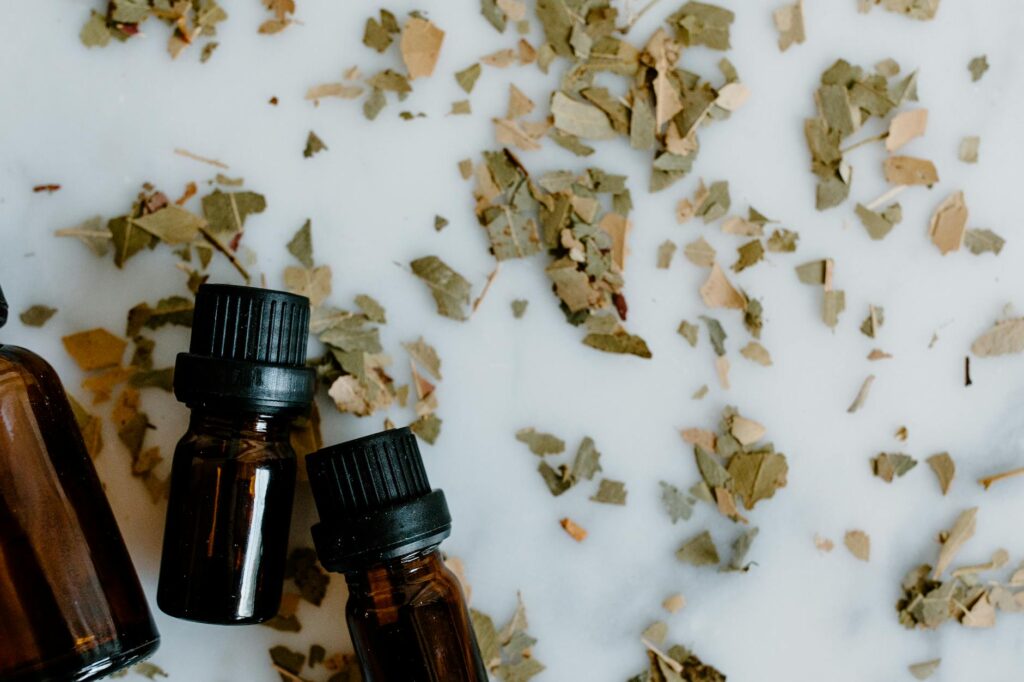
Health Benefits of Aromatherapy Blends for Immune System Support During Seasonal Changes
Introduction
As the seasons change, so too can our health and well-being. The transition between winter and spring or summer and autumn often brings fluctuations in temperature, humidity, and allergens, which can impact the immune system. Aromatherapy, a holistic practice that uses essential oils extracted from plants, has gained popularity as a natural remedy to support overall health, including immune function. This article explores the health benefits of aromatherapy blends specifically designed for immune system support during these seasonal shifts.
What Are Aromatherapy Blends for Immune System Support During Seasonal Changes?
Aromatherapy blends are combinations of essential oils that are selected for their therapeutic properties and synergistic effects. When tailored for immune system support, these blends may include oils known for their antibacterial, antiviral, and antifungal properties. The aromatic compounds in essential oils can stimulate the olfactory system, leading to physiological and psychological benefits that may enhance immune response.
The use of essential oils for health has roots in ancient practices, but modern aromatherapy combines these traditions with contemporary scientific knowledge. Common essential oils used in immune-support blends include eucalyptus, tea tree, lemon, lavender, and peppermint, among others.
Key Benefits and Properties
The health benefits of aromatherapy blends for immune support are primarily derived from the unique properties of individual essential oils. Here are some key benefits and properties to consider:
Antimicrobial Properties
Many essential oils possess antimicrobial properties that can help fend off pathogens. For example, tea tree oil is renowned for its antifungal and antibacterial effects, while eucalyptus oil is known for its ability to combat respiratory infections.
Anti-inflammatory Effects
Certain essential oils can help reduce inflammation, which is crucial for maintaining a healthy immune system. Oils like lavender and chamomile are known for their calming properties and may help mitigate inflammatory responses in the body.
Stress Reduction
Stress can weaken the immune system, making the body more susceptible to illness. Aromatherapy has been shown to promote relaxation and reduce stress levels. Oils such as bergamot and frankincense can elevate mood and promote emotional well-being.
Respiratory Support
Essential oils like peppermint and eucalyptus can support respiratory health, making them particularly beneficial during seasonal changes when allergies and colds are more prevalent. These oils can help clear airways and promote easier breathing.
Enhancing Circulation
Certain oils, such as rosemary and ginger, may enhance circulation, which is vital for delivering nutrients and immune cells throughout the body. Improved circulation can contribute to a more robust immune response.
Common Uses
Aromatherapy blends for immune support can be used in various ways, including:
Diffusion
Using a diffuser to disperse essential oils into the air is one of the most common methods of aromatherapy. This allows the beneficial compounds to be inhaled, promoting respiratory health and general well-being.
Topical Application
Blending essential oils with a carrier oil for topical use is another popular method. This can help target specific areas of the body, such as the chest or sinuses, for localized support. Always perform a patch test before applying any blend to the skin.
Inhalation
Inhaling essential oils directly from the bottle or a cotton ball can provide immediate benefits. This method is often used for quick stress relief or respiratory support.
Bathing
Adding essential oils to a warm bath can create a soothing experience that promotes relaxation and overall wellness. This method can be especially beneficial during the transition between seasons.
Aromatherapy Applications
Creating Your Own Immune Support Blend
To create an effective aromatherapy blend for immune support, consider the following essential oils:
- Eucalyptus: Known for its respiratory benefits and antiseptic properties.
- Tea Tree: Renowned for its antimicrobial effects.
- Lemon: A refreshing oil that can uplift mood and support detoxification.
- Lavender: Calming and anti-inflammatory, helping to reduce stress.
- Peppermint: Excellent for respiratory support and mental clarity.
A simple blend might include 5 drops of eucalyptus oil, 5 drops of tea tree oil, and 3 drops of lemon oil mixed with 1 ounce of a carrier oil such as sweet almond or jojoba oil for topical application.
Using Pre-Made Blends
For those who prefer convenience, many companies offer pre-made aromatherapy blends specifically designed for immune support. These blends are often formulated by experts and can be used in various applications, including diffusers and roll-on bottles.
Safety Considerations
While aromatherapy is generally considered safe, there are several important safety considerations to keep in mind:
Dilution
Essential oils are highly concentrated and should almost always be diluted with a carrier oil before topical application to avoid skin irritation.
Allergies and Sensitivities
Individuals should be aware of any allergies or sensitivities they may have to specific essential oils. Conducting a patch test prior to full application is advisable.
Consultation
Those with pre-existing health conditions, pregnant or nursing women, and individuals taking medications should consult with a healthcare professional before using essential oils.
Storage
Essential oils should be stored in a cool, dark place to maintain their potency and extend their shelf life.
Storage and Shelf Life
The shelf life of essential oils can vary based on their chemical composition and storage conditions. Generally, most essential oils have a shelf life of 1 to 3 years. Citrus oils tend to have a shorter shelf life, while oils like patchouli and sandalwood can last much longer.
To ensure longevity, store essential oils in tightly sealed, dark glass bottles away from direct sunlight and heat sources. Proper storage practices can help maintain the therapeutic properties of essential oils over time.
Frequently Asked Questions
What is the best way to use essential oils for immune support?
The best method depends on personal preference. Diffusion is ideal for general use, while topical application can target specific areas. Inhalation provides quick relief, and adding oils to a bath can enhance relaxation.
Can I use essential oils if I have allergies?
Many essential oils can help alleviate allergy symptoms, but it’s essential to perform a patch test and consult a healthcare professional if you have specific concerns.
How often can I use essential oils for immune support?
Frequency of use can vary. Generally, using essential oils 1-3 times daily is considered safe, but individual tolerance may vary.
Are there any essential oils I should avoid during pregnancy?
Certain essential oils, such as clary sage and rosemary, should be avoided during pregnancy. Always consult a healthcare provider for personalized advice.
Can children use essential oils?
Yes, but it’s crucial to dilute essential oils properly and select child-safe oils. Consult with a healthcare professional for age-appropriate recommendations.
Conclusion
Aromatherapy blends can be a valuable tool for supporting immune health during seasonal transitions. By harnessing the natural properties of essential oils, individuals can promote overall well-being and enhance their immune response. While aromatherapy is not a substitute for medical advice or treatment, it can be a complementary approach to maintaining health and balance in the body. As with any holistic practice, understanding the properties, applications, and safety considerations of aromatherapy is essential for effective use.