
Health Benefits of Aromatherapy Blends for Immune System Support Enhancement
Introduction
In recent years, interest in natural remedies and holistic approaches to health has surged, with essential oils and aromatherapy gaining considerable attention. Among the various applications of aromatherapy, blends designed for immune system support have emerged as a popular choice. This article explores the characteristics, benefits, common applications, and safety considerations surrounding aromatherapy blends aimed at enhancing immune system health.
What Are Aromatherapy Blends for Immune System Support Enhancement?
Aromatherapy blends consist of carefully selected essential oils combined to create a synergistic effect, promoting physical and emotional well-being. When it comes to immune system support, these blends often include oils known for their antibacterial, antiviral, and anti-inflammatory properties. Commonly included essential oils are eucalyptus, tea tree, lavender, lemon, and rosemary, among others. The aromatic compounds in these oils can interact with the body’s systems, potentially providing an uplifting experience that supports overall health.
Key Benefits and Properties
1. Antimicrobial Effects
Many essential oils used in immune-support blends possess natural antimicrobial properties. For example, tea tree oil has been recognized for its ability to combat a variety of pathogens, including bacteria and fungi. Eucalyptus oil is also known for its antiviral properties, making it a popular inclusion in respiratory support blends.
2. Stress Reduction
Chronic stress can negatively impact the immune system. Essential oils such as lavender and bergamot are renowned for their calming effects, helping to reduce stress and promote relaxation. By alleviating stress, these oils may indirectly support immune function.
3. Anti-Inflammatory Properties
Inflammation can be a barrier to optimal immune function. Certain oils, like ginger and frankincense, have demonstrated anti-inflammatory properties that may help reduce inflammation in the body, thus supporting a healthier immune response.
4. Respiratory Support
Some aromatherapy blends are particularly beneficial for respiratory health. Oils like eucalyptus and peppermint can help clear the airways, making breathing easier. This can be especially beneficial during cold and flu season.
5. Mood Enhancement
The aromatic experience of essential oils can influence mood and emotional well-being. Citrus oils, such as lemon or orange, are uplifting and can help combat feelings of fatigue or malaise, which can be beneficial during times when the immune system may be under stress.
Common Uses
Aromatherapy blends for immune support can be utilized in various ways, depending on individual preferences and situations. Here are some common uses:
1. Diffusion
Using an essential oil diffuser is a popular method for dispersing aromatic compounds into the air. This allows for inhalation of the beneficial properties of the oils, creating a serene environment while supporting respiratory health.
2. Topical Application
Many blends can be diluted in a carrier oil for topical application. This method allows the oils to be absorbed through the skin, offering localized benefits. Common application areas include the chest, wrists, and soles of the feet.
3. Bathing
Adding aromatherapy blends to bathwater can create a relaxing experience while enhancing skin absorption. This method is particularly beneficial for those seeking both mental relaxation and physical rejuvenation.
4. Inhalation
For a quick boost, inhaling the scent directly from the bottle or using a personal inhaler can provide immediate benefits. This method is especially useful during cold and flu season or when feeling stressed.
Aromatherapy Applications
1. Immune-Boosting Blend
A typical immune-boosting blend might include eucalyptus, tea tree, and lemon essential oils. This combination can be used in a diffuser to create a supportive environment or diluted with a carrier oil for topical application.
2. Stress Relief Blend
A blend that combines lavender, bergamot, and frankincense can be effective for stress relief. This blend can be used in a personal inhaler or in a massage oil to promote relaxation and emotional balance.
3. Respiratory Support Blend
For respiratory support, a blend of peppermint, eucalyptus, and rosemary can be potent. This blend can be diffused to clear the airways or diluted for chest rubs during respiratory discomfort.
4. Calming Bedtime Blend
To support restful sleep, a calming blend of lavender, chamomile, and sandalwood can be diffused in the evening or added to a bedtime bath to promote relaxation and enhance sleep quality.
Safety Considerations
While aromatherapy blends can offer numerous benefits, it is essential to use them safely. Here are some key safety considerations:
1. Dilution
Essential oils are highly concentrated and should be diluted in a carrier oil before topical application. Common carrier oils include jojoba, coconut, and sweet almond oil. A general guideline is to use a 1-2% dilution for adults, which is equivalent to 6-12 drops of essential oil per ounce of carrier oil.
2. Skin Sensitivity
Some individuals may experience skin irritation or allergic reactions to specific essential oils. It is advisable to conduct a patch test before using a new oil topically. If any irritation occurs, discontinue use immediately.
3. Pregnancy and Medical Conditions
Certain essential oils may not be safe for use during pregnancy or in individuals with specific medical conditions. It is crucial to consult with a healthcare provider before using essential oils if you are pregnant, nursing, or have a medical condition.
4. Quality of Oils
The quality of essential oils can vary significantly. It is essential to choose high-quality, pure essential oils from reputable sources to ensure safety and efficacy.
Storage and Shelf Life
Proper storage is essential for maintaining the integrity of essential oils. Here are some storage guidelines:
1. Keep Away from Light
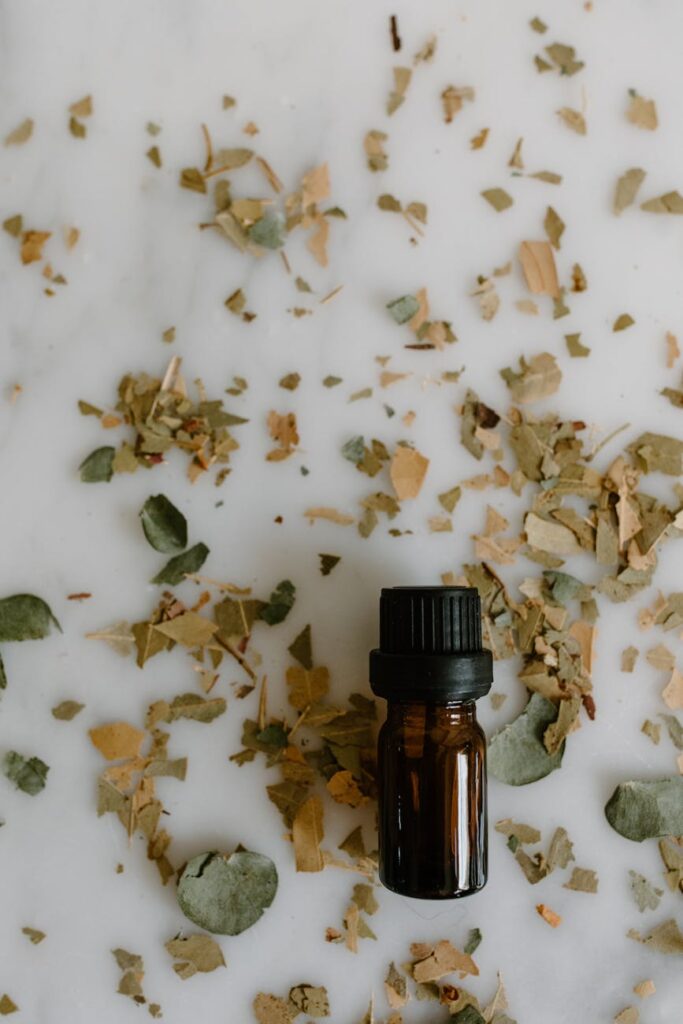
Essential oils should be stored in dark glass bottles to protect them from light, which can degrade their quality over time.
2. Store in a Cool, Dry Place
Heat and humidity can also affect the stability of essential oils. Store them in a cool, dry place, away from direct sunlight and heat sources.
3. Shelf Life
The shelf life of essential oils can vary. Generally, citrus oils may last 1-2 years, while other oils can last 3-5 years or longer. Always check for any changes in color, scent, or consistency, which may indicate that the oil has gone rancid.
Frequently Asked Questions
Q1: Can aromatherapy blends replace medical treatments?
A: Aromatherapy blends should not be considered a substitute for medical treatments. While they can support overall well-being, it is essential to consult a healthcare professional for any medical concerns.
Q2: How do I choose the right blend for my needs?
A: Consider your specific needs, such as stress relief, respiratory support, or immune enhancement. Research the properties of various essential oils and select blends that align with your goals.
Q3: Is it safe to use essential oils with children?
A: Some essential oils can be safe for children when appropriately diluted. However, it is crucial to consult a healthcare professional and conduct thorough research before using essential oils with children.
Q4: Can I mix different essential oils to create my own blend?
A: Yes, blending different essential oils can be an excellent way to customize your aromatherapy experience. However, it is essential to research the properties and potential interactions of the oils you plan to combine.
Conclusion
Aromatherapy blends for immune system support offer a natural and holistic approach to enhancing overall well-being. By understanding the properties, benefits, and applications of various essential oils, individuals can create tailored blends to support their immune health. As with any natural remedy, it is essential to use these blends safely and responsibly, ensuring they complement a well-rounded approach to health and wellness.