
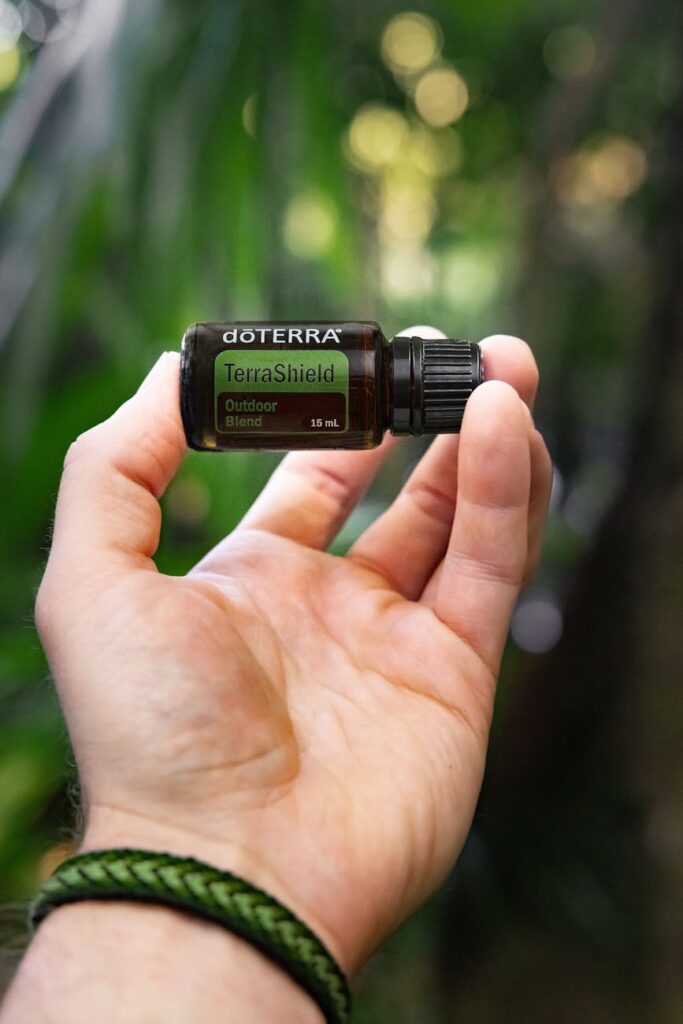
Health Benefits of Aromatherapy Blends for Immune System Support
Introduction
Aromatherapy, the practice of using natural plant extracts for therapeutic purposes, has gained significant popularity in recent years. Among its many applications, aromatherapy blends designed for immune system support have garnered attention for their potential benefits. These blends typically consist of essential oils derived from various plants, each known for their unique properties. This article explores the concept of aromatherapy blends aimed at bolstering the immune system, their key benefits, common uses, and safety considerations.
What Is Aromatherapy Blends for Immune System Support?
Aromatherapy blends for immune system support are combinations of essential oils selected for their potential to enhance the body’s natural defenses. These blends may incorporate oils known for their antibacterial, antiviral, antifungal, and anti-inflammatory properties. The concept is rooted in the belief that certain scents can influence physical and emotional well-being, thereby supporting overall health.
The essential oils commonly used in these blends are extracted from various parts of plants, including leaves, flowers, stems, and roots. Each oil carries its unique aroma and therapeutic potential, which may synergize when combined in a blend.
Key Benefits and Properties
1. Antimicrobial Properties
Many essential oils possess natural antimicrobial properties. For example, tea tree oil is well-known for its ability to combat bacteria and fungi, while eucalyptus oil is often used for its antiviral properties. When incorporated into immune-support blends, these oils may help create a hostile environment for pathogens.
2. Anti-inflammatory Benefits
Chronic inflammation can compromise immune function. Essential oils such as frankincense and lavender are recognized for their anti-inflammatory properties, potentially providing relief from inflammation and supporting the body’s healing processes.
3. Stress Reduction
Stress is known to negatively impact the immune system. Aromatherapy has been shown to promote relaxation and reduce stress. Essential oils like bergamot and chamomile can enhance mood and may help alleviate anxiety, thereby indirectly supporting immune function.
4. Respiratory Support
Certain essential oils, such as peppermint and thyme, are frequently used for respiratory health. Their inhalation may help clear nasal passages and support lung function, which is essential during times of illness.
5. Overall Wellness
Aromatherapy blends can serve as a holistic approach to health and wellness. By addressing emotional, psychological, and physical aspects, they may create a balanced state conducive to immune health.
Common Uses
Aromatherapy blends for immune support can be utilized in various ways, making them versatile tools for maintaining overall health. Some common uses include:
1. Diffusion
Using an essential oil diffuser is one of the most popular methods for dispersing the aroma of essential oils into the air. This method not only fills the space with pleasant scents but may also provide respiratory benefits as the oils are inhaled.
2. Inhalation
Direct inhalation of essential oils from the bottle or by adding a few drops to a tissue or cotton ball can provide immediate effects. This method is particularly useful for quick stress relief or respiratory support.
3. Topical Application
Blending essential oils with a carrier oil allows for safe topical application. When applied to pulse points or areas of discomfort, these blends may provide localized benefits. Common carrier oils include sweet almond oil, jojoba oil, and coconut oil.
4. Bathing
Adding essential oil blends to a warm bath can enhance relaxation while providing the benefits of aromatherapy. The warmth of the water helps to release the oils into the air, creating a soothing environment.
5. Massage
Incorporating aromatherapy blends into massage therapy can provide dual benefits. The physical touch, combined with the aromatic properties of the oils, may enhance relaxation and improve overall well-being.
Aromatherapy Applications
1. Blending Techniques
Creating effective aromatherapy blends involves understanding the properties of individual essential oils. Blenders often consider the top, middle, and base notes of oils to create a well-rounded aroma. A typical blend may include:
- Top Notes: These are the first scents perceived, usually lighter and more volatile, such as lemon or peppermint.
- Middle Notes: These oils provide balance and harmony, such as lavender or rosemary.
- Base Notes: These oils are heavier and linger longer, such as cedarwood or patchouli.
- Citrus Immunity Blend: Lemon, grapefruit, and eucalyptus
- Herbal Defense Blend: Tea tree, thyme, and rosemary
- Calming Support Blend: Lavender, bergamot, and chamomile
2. Suggested Blends for Immune Support
While individual preferences may vary, here are a few suggested blends that could be considered:
Safety Considerations
While aromatherapy can offer numerous benefits, it is essential to consider safety precautions:
1. Dilution
Essential oils are highly concentrated and should be diluted before topical use. A general guideline is to mix 1-2 drops of essential oil with a carrier oil before applying it to the skin.
2. Allergies and Sensitivities
Individuals with allergies or sensitivities should conduct a patch test before using any new essential oil. This involves applying a small diluted amount to a discreet area of skin and monitoring for adverse reactions.
3. Pregnancy and Medical Conditions
Certain essential oils may not be suitable for pregnant women or individuals with specific medical conditions. It is advisable to consult a qualified professional if there are any concerns.
4. Quality of Essential Oils
The quality of essential oils can vary significantly. Opt for therapeutic-grade oils from reputable sources to ensure purity and efficacy.
Storage and Shelf Life
Proper storage of essential oils is essential for maintaining their potency. Here are some tips:
1. Dark Glass Containers
Store essential oils in dark glass bottles, as light can degrade their quality.
2. Cool, Dry Place
Keep oils in a cool, dry place away from direct sunlight and heat sources to extend their shelf life.
3. Shelf Life
While many essential oils can last for several years, their shelf life varies. Citrus oils typically last about 1-2 years, while oils like sandalwood and patchouli may last longer.
Frequently Asked Questions
1. Can aromatherapy replace traditional medicine?
Aromatherapy should not be viewed as a substitute for conventional medical treatments. While it can complement a healthy lifestyle, it is essential to consult healthcare professionals for medical conditions.
2. How often can I use aromatherapy blends?
Frequency can vary based on individual preferences and sensitivity. Generally, using aromatherapy blends in moderation is advisable, allowing the body to respond to the scents.
3. Are there any essential oils that should be avoided?
Certain essential oils, such as those derived from wintergreen and camphor, can be toxic in high doses and should be used cautiously. It is essential to research each oil before use.
4. Can children use essential oils?
Children may benefit from aromatherapy, but caution is advised. Always dilute oils appropriately and consult a healthcare provider for specific recommendations.
5. How can I incorporate aromatherapy into my daily routine?
Incorporating aromatherapy into daily life can be as simple as adding a few drops of your favorite oil to a diffuser, applying a diluted blend to your pulse points, or enjoying a scented bath.
Conclusion
Aromatherapy blends for immune system support offer a holistic approach to enhancing overall well-being. Through the careful selection of essential oils and their various applications, individuals may harness the potential benefits of these natural extracts. While further research is needed to fully understand their effects, incorporating aromatherapy into daily routines can promote relaxation, reduce stress, and support the body’s natural defenses. Always remember to prioritize safety and consult professionals when necessary.