
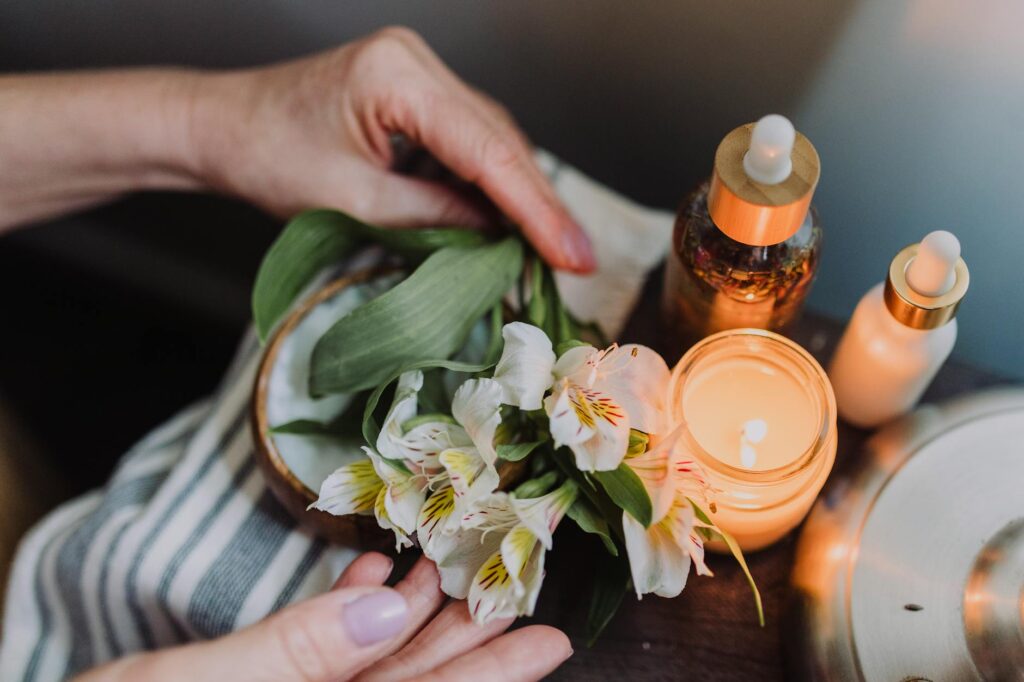
Health Benefits of Aromatherapy Blends for Meditation and Mindfulness
Introduction
In recent years, the practice of meditation and mindfulness has gained significant traction as individuals seek ways to enhance their mental well-being and achieve a state of tranquility. One of the complementary tools gaining popularity in this realm is aromatherapy. This holistic approach utilizes the aromatic properties of essential oils to promote emotional and physical well-being. Aromatherapy blends specifically designed for meditation and mindfulness have emerged as valuable resources in fostering deeper relaxation, focus, and heightened awareness. This article explores the intricacies of aromatherapy blends for meditation and mindfulness, their benefits, common uses, applications, and safety considerations.
What Is Aromatherapy Blends for Meditation and Mindfulness?
Aromatherapy blends are combinations of essential oils specifically formulated to support meditation and mindfulness practices. Essential oils are concentrated plant extracts, obtained through various methods such as steam distillation or cold pressing. These oils carry unique scents and properties that can influence mood, cognitive function, and overall well-being.
When used during meditation or mindfulness exercises, aromatherapy blends can help create an atmosphere conducive to relaxation and concentration. Commonly used essential oils in these blends include lavender, sandalwood, frankincense, and bergamot, each selected for their calming and centering properties. The synergy of multiple essential oils in a blend can enhance their individual effects, leading to a more profound experience.
Key Benefits and Properties
1. Stress Reduction: Many essential oils possess calming qualities that can help reduce feelings of anxiety and stress. For instance, lavender is well-known for its ability to promote relaxation and ease tension.
2. Enhanced Focus: Certain essential oils, such as peppermint and rosemary, are thought to stimulate mental clarity and concentration. Incorporating these oils into meditation can help individuals maintain focus during practice.
3. Emotional Balance: Aromatherapy blends can support emotional well-being by promoting feelings of peace and contentment. Oils like ylang-ylang and bergamot are known for their uplifting properties, helping to balance emotions during meditation.
4. Improved Sleep Quality: For individuals who meditate before bedtime, certain blends may aid in promoting restful sleep. Oils like chamomile and cedarwood can create a calming environment conducive to relaxation and sleep.
5. Connection to Nature: The use of natural aromas can enhance the sensory experience of meditation, fostering a deeper connection to nature and the present moment.
Common Uses
Aromatherapy blends for meditation and mindfulness can be utilized in various ways, including:
- Diffusion: Using an essential oil diffuser to disperse aromatic vapors into the air, creating a calming atmosphere for meditation or mindfulness sessions.
- Topical Application: Diluting essential oils with a carrier oil and applying them to pulse points, such as wrists or temples, can provide a direct and personal aromatic experience.
- Inhalation: Inhaling the scent of essential oils directly from the bottle or via a personal inhaler can provide immediate benefits during meditation.
- Bathing: Adding aromatherapy blends to a warm bath can enhance relaxation and provide a tranquil environment for mindfulness practices.
- Meditation Props: Incorporating aromatherapy into meditation cushions, blankets, or eye masks can create a multi-sensory experience that enhances focus and relaxation.
- Dilution: Always dilute essential oils with a carrier oil before applying them to the skin to prevent irritation or adverse reactions.
- Skin Sensitivity: Conduct a patch test on a small area of skin to check for sensitivity before applying new blends more extensively.
- Pregnancy and Health Conditions: If pregnant, nursing, or dealing with specific health conditions, consult with a qualified professional before using essential oils.
- Quality of Oils: Use high-quality, pure essential oils from reputable sources to ensure safety and efficacy. Synthetic fragrances may not provide the desired benefits and could cause adverse effects.
- Ventilation: When diffusing oils, ensure adequate ventilation to avoid overwhelming scents that could lead to discomfort or headaches.
- Dark Glass Containers: Store essential oils in dark glass containers to protect them from light exposure, which can degrade their quality.
- Cool, Dry Locations: Keep oils in a cool, dry place away from direct sunlight and heat sources. A cabinet or dark drawer is typically ideal.
- Tightly Sealed: Ensure that bottles are tightly sealed when not in use to prevent oxidation and evaporation.
Aromatherapy Applications
1. Meditation Sessions: Select specific blends that resonate with your intentions for each meditation session. For example, a grounding blend with vetiver and sandalwood may be ideal for deepening your practice, while an uplifting blend with citrus oils may be suitable for energizing morning meditations.
2. Mindfulness Practices: Use aromatherapy during mindfulness exercises, such as mindful eating or walking, to heighten sensory awareness and promote a sense of presence.
3. Yoga and Movement: Incorporating aromatherapy into yoga practices can enhance the experience, allowing practitioners to connect more deeply with their breath and movements.
4. Emotional Release: During meditation aimed at emotional processing, specific blends may help facilitate the release of pent-up emotions. Oils known for their calming and grounding properties can support this journey.
5. Guided Meditations: When participating in guided meditations, using a chosen blend can deepen the experience and enhance the overall atmosphere.
Safety Considerations
While aromatherapy is generally considered safe, it is essential to take precautions to ensure a positive experience:
Storage and Shelf Life
Proper storage of essential oils is crucial for maintaining their potency and efficacy. Here are some tips for optimal storage:
The shelf life of essential oils varies based on the type and storage conditions. Generally, most essential oils can last from 1 to 5 years. Citrus oils tend to have a shorter shelf life, while oils like patchouli and sandalwood may improve with age.
Frequently Asked Questions
1. Can I create my own aromatherapy blends?
Yes, creating your own blends allows you to tailor the oils to your preferences and needs. Start with a base oil and add a few drops of your chosen essential oils, testing different combinations until you find what resonates with you.
2. How do I choose the right blend for meditation?
Consider your intentions for meditation—whether you seek relaxation, clarity, or emotional balance. Research blends that align with these goals, and experiment to find what works best for you.
3. How long does the scent of essential oils last when diffused?
The duration of the aroma varies depending on the type of essential oil, the size of the diffuser, and the room’s ventilation. Generally, the scent can last for several hours, but it may fade quicker in well-ventilated spaces.
4. Can children use aromatherapy blends?
Certain essential oils can be safe for children, but it’s important to dilute them appropriately and consult with a healthcare professional for recommendations.
5. Are there any essential oils I should avoid?
Some essential oils, such as those derived from wintergreen or eucalyptus, can be too strong and may not be suitable for everyone. Always conduct thorough research and seek guidance when unsure.
Conclusion
Aromatherapy blends for meditation and mindfulness offer a natural way to enhance one’s practice, fostering deeper relaxation, emotional balance, and mental clarity. By understanding the properties of various essential oils and their applications, individuals can create personalized experiences that resonate with their unique needs and intentions. As with any holistic practice, it is essential to approach aromatherapy with care and mindfulness, ensuring a safe and enriching experience. Whether you are a seasoned practitioner or just beginning your journey into meditation and mindfulness, incorporating aromatherapy can provide an additional layer of support and serenity.