
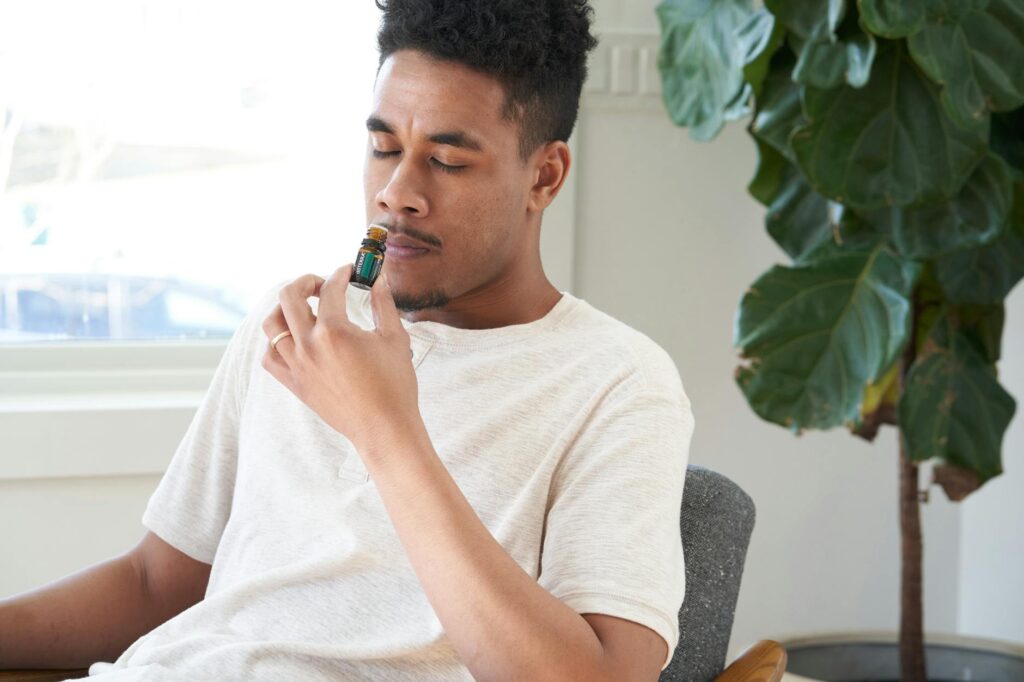
Health Benefits of Aromatherapy Blends for Mindful Breathing
Introduction
Aromatherapy, the practice of using essential oils extracted from plants for therapeutic purposes, has gained substantial attention in recent years. When combined with mindful breathing techniques, aromatherapy can enhance relaxation, focus, and emotional balance. This article delves into the health benefits of aromatherapy blends specifically designed for mindful breathing, exploring their properties, common applications, and safety considerations.
What Is Aromatherapy Blends for Mindful Breathing?
Aromatherapy blends for mindful breathing refer to the combination of essential oils specifically chosen to support breathing practices, enhance relaxation, and promote mental clarity. Mindful breathing involves focusing on the breath to cultivate awareness and presence, often leading to a reduction in stress and anxiety.
These blends typically incorporate oils known for their calming, uplifting, or grounding properties. The synergy of these essential oils can create a multi-dimensional experience that supports the practitioner during meditation, yoga, or simply in daily life.
Key Benefits and Properties
The benefits of aromatherapy blends for mindful breathing can be categorized into several key areas:
1. Stress Reduction
Certain essential oils, such as lavender and chamomile, are well-known for their calming effects. They can help lower cortisol levels, contributing to a sense of tranquility and relaxation. This makes them particularly beneficial when paired with mindful breathing techniques.
2. Enhanced Focus and Clarity
Citrus oils like lemon and bergamot are often included in blends aimed at improving concentration. The refreshing aroma of these oils can stimulate the mind, making it easier to focus during breathing exercises.
3. Emotional Balance
Blends that incorporate oils such as ylang-ylang and frankincense can be effective in promoting emotional stability. These oils can help alleviate feelings of anxiety and depression, making it easier for individuals to engage in mindful breathing without distractions.
4. Respiratory Support
Certain essential oils, including eucalyptus and peppermint, are known for their ability to support respiratory health. When inhaled, these oils can help open airways and promote clearer breathing, which complements the practice of mindful breathing.
5. Grounding and Centering
Earthy oils like vetiver and cedarwood can provide grounding effects, helping individuals feel more centered and connected to the present moment. This grounding quality can enhance the experience of mindful breathing, allowing for deeper introspection.
Common Uses
Aromatherapy blends for mindful breathing can be utilized in various contexts, including:
- Meditation: Enhancing focus and relaxation during meditation sessions.
- Yoga: Supporting breathwork and promoting a calming atmosphere in yoga practices.
- Daily Mindfulness: Incorporating essential oils into everyday life to foster a sense of calm and awareness.
- Stress Relief: Using blends during stressful situations to promote immediate relaxation.
- Store in Dark Glass Bottles: Essential oils should be kept in dark glass containers to protect them from light, which can degrade their quality.
- Keep Away from Heat: Store oils in a cool, dry place to prevent the oils from oxidizing.
- Seal Tightly: Ensure that bottles are sealed tightly to prevent evaporation and contamination.
Aromatherapy Applications
There are several methods to utilize aromatherapy blends for mindful breathing, each offering different experiences:
1. Diffusion
Using an essential oil diffuser is one of the most effective ways to disperse the aroma of the oils into the environment. This method allows for a gentle, continuous release of scent, making it ideal for longer sessions of mindful breathing.
2. Inhalation
Direct inhalation involves placing a few drops of essential oil on a tissue or in the palms of your hands. You can then cup your hands over your nose and mouth and take deep breaths. This method provides immediate access to the oils, making it suitable for quick stress relief.
3. Topical Application
Blending essential oils with a carrier oil allows for topical application. Applying diluted oils to pulse points (such as the wrists, neck, or temples) can enhance the aromatherapy experience. Always perform a patch test to check for skin sensitivity.
4. Bath Soaks
Adding essential oils to bathwater can create a serene environment, supporting relaxation during mindful breathing exercises. This method not only provides aromatic benefits but also promotes physical relaxation.
Safety Considerations
While aromatherapy is generally considered safe, there are several important safety considerations to keep in mind:
1. Skin Sensitivity
Some individuals may experience skin irritation when using certain essential oils. It is advisable to perform a patch test before applying any blend topically.
2. Quality of Oils
The quality of essential oils can vary significantly. Always choose pure, therapeutic-grade essential oils from reputable sources to ensure safety and efficacy.
3. Pregnant and Nursing Women
Some essential oils are contraindicated during pregnancy or while nursing. Individuals in these conditions should consult with a healthcare provider before using aromatherapy.
4. Allergies and Asthma
People with allergies or asthma should exercise caution when using essential oils. Certain oils may trigger respiratory reactions, so it is essential to choose oils that are safe for individual health conditions.
5. Children and Pets
Certain essential oils may not be suitable for children or pets. Always research specific oils and consult a knowledgeable source if unsure.
Storage and Shelf Life
Proper storage of essential oils is crucial to maintain their potency and shelf life. Here are some tips:
The shelf life of essential oils can vary, typically ranging from 1 to 10 years depending on the type of oil. Citrus oils, for example, may have a shorter shelf life compared to woody oils.
Frequently Asked Questions
1. Can I create my own aromatherapy blend for mindful breathing?
Yes, creating your own blend allows you to customize the experience based on personal preferences. Start with a few essential oils known for their calming or focusing properties and experiment with different combinations.
2. How many drops of oil should I use for diffusion?
A general recommendation is to use 3-5 drops of essential oil per 100 ml of water in a diffuser. Adjust the amount based on personal preference and the strength of the oil.
3. Is it safe to use essential oils around pets?
Caution is advised when using essential oils around pets, as some oils can be harmful to animals. Research specific oils and consult with a veterinarian if unsure.
4. How often can I use aromatherapy blends for mindful breathing?
Aromatherapy can be used as often as desired. However, it is essential to listen to your body and allow for breaks if you experience any negative reactions.
5. Are there any essential oils I should avoid during pregnancy?
Yes, some essential oils are contraindicated during pregnancy, including but not limited to: sage, rosemary, and jasmine. Always consult with a healthcare provider for guidance.
Conclusion
Aromatherapy blends for mindful breathing offer a unique and enriching experience that can enhance relaxation, emotional well-being, and overall mindfulness. By understanding the properties, common uses, and safety considerations, individuals can incorporate these powerful blends into their daily practices for improved mental and emotional health. As the world continues to embrace holistic wellness, aromatherapy remains a valuable ally in the pursuit of balance and tranquility.