
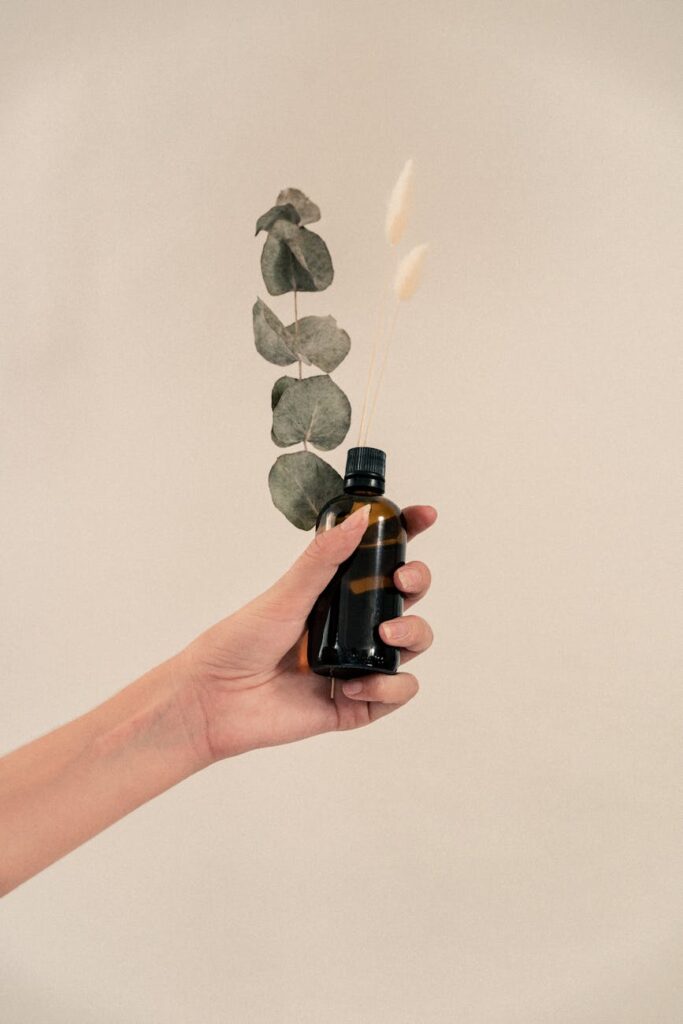
Health Benefits of Aromatherapy Blends for Mindfulness Practices
Introduction
Aromatherapy, the therapeutic use of essential oils, has gained significant recognition in recent years, particularly in the realm of mindfulness practices. As individuals increasingly seek holistic approaches to enhance their mental well-being, aromatherapy blends have emerged as a popular tool for promoting relaxation, focus, and emotional balance. This article explores the health benefits of aromatherapy blends specifically tailored for mindfulness practices, offering insights into their properties, applications, and safe usage.
What Is Aromatherapy Blends for Mindfulness Practices?
Aromatherapy blends are combinations of essential oils designed to evoke specific emotional or physical responses. When used in conjunction with mindfulness practices—such as meditation, yoga, or breathing exercises—these blends can enhance one’s experience, fostering a deeper connection to the present moment. The olfactory system is intricately linked to the limbic system, the part of the brain responsible for emotions and memories, making essential oils particularly effective in influencing mood and promoting mindfulness.
In mindfulness practices, aromatherapy blends can serve various purposes, such as calming the mind, concentrating thoughts, or uplifting spirits. The careful selection of essential oils can enhance the overall experience, allowing individuals to cultivate a more profound sense of awareness and presence.
Key Benefits and Properties
Emotional Balance
Certain essential oils, like lavender and bergamot, are known for their calming properties, which can help reduce anxiety and promote emotional balance. These oils may assist individuals in navigating stressful situations, allowing for a more grounded mindfulness practice.
Enhanced Focus
Blends containing oils such as rosemary and peppermint are often utilized to improve mental clarity and focus. These stimulating oils can help individuals stay present during meditation or mindfulness exercises, making it easier to maintain concentration.
Stress Relief
Aromatherapy blends can be particularly effective in alleviating stress. Oils like chamomile and ylang-ylang are renowned for their relaxing qualities, helping to lower cortisol levels and create a sense of calm that is conducive to mindfulness.
Sleep Support
Incorporating blends designed for sleep, such as those containing cedarwood or frankincense, can enhance nighttime mindfulness practices, like yoga nidra or guided meditations. These oils promote relaxation and can facilitate a deeper, more restorative sleep.
Mood Enhancement
Certain blends can uplift the spirits and promote a sense of well-being. Citrus oils like sweet orange and lemon are popular for their mood-enhancing properties, making them ideal for practices aimed at cultivating positivity and gratitude.
Common Uses
Aromatherapy blends can be utilized in various mindfulness practices, including:
Meditation
Incorporating essential oils into meditation can create a serene atmosphere, helping to deepen the experience. Diffusing calming blends or applying them to pulse points can enhance the meditative state.
Yoga
Using aromatherapy during yoga can help set an intention for the practice. Blends that promote focus or relaxation can be applied to the skin or diffused in the space to create an inviting environment.
Breathing Exercises
Essential oils can be inhaled directly or through a diffuser during breathing exercises, enhancing the overall experience. Oils like eucalyptus or peppermint can invigorate the senses and support deeper breaths.
Journaling
For those who practice journaling as a form of mindfulness, using uplifting or calming blends can create a conducive environment for reflection and self-expression.
Aromatherapy Applications
Diffusion
Using a diffuser is a popular method for dispersing essential oils into the air. This method allows the oils to be inhaled, providing both aromatic and therapeutic benefits. Diffusing blends during meditation or yoga can enhance the ambiance.
Topical Application
Essential oils can be diluted with a carrier oil and applied to pulse points, such as wrists, temples, or the back of the neck. This method allows for both inhalation and skin absorption, maximizing the benefits.
Inhalation
Direct inhalation of essential oils from the bottle or a cotton ball can provide an immediate effect. This method is particularly useful during moments of stress or distraction, helping to refocus the mind.
Bathing
Adding essential oils to bathwater can create a soothing experience. This method is beneficial for those looking to unwind and prepare for mindfulness practices or sleep.
Safety Considerations
While aromatherapy can offer numerous benefits, it is essential to use essential oils safely. Here are some considerations:
Dilution
Essential oils are highly concentrated and should be diluted with a carrier oil before applying to the skin. A common dilution ratio is 2-3 drops of essential oil per teaspoon of carrier oil.
Skin Sensitivity
Before applying any essential oil topically, it is advisable to perform a patch test to check for any allergic reactions or skin sensitivities.
Ingestion
Ingesting essential oils is not recommended unless under the guidance of a qualified professional. Many essential oils can be toxic if consumed inappropriately.
Pregnancy and Medical Conditions
Individuals who are pregnant, nursing, or have pre-existing medical conditions should consult with a healthcare professional before using essential oils.
Storage and Shelf Life
Proper storage of essential oils is crucial to maintain their potency and effectiveness. Here are some tips for storing essential oils:
Containers
Store essential oils in dark glass bottles to protect them from light and heat, which can degrade the oils.
Environment
Keep essential oils in a cool, dry place away from direct sunlight. High temperatures and humidity can affect the oils’ quality.
Shelf Life
Most essential oils have a shelf life of 1-3 years, depending on the type. Citrus oils tend to have shorter shelf lives, while oils like patchouli and vetiver can last longer. It is advisable to label bottles with the purchase date for easy reference.
Frequently Asked Questions
Can I create my own aromatherapy blends?
Yes, many individuals enjoy creating their own blends. It is essential to research the properties of various essential oils and consider their intended effects when formulating a blend.
How do I choose the right essential oils for my needs?
Identifying your specific goals—whether it’s relaxation, focus, or mood enhancement—can guide your selection. Researching the properties of various essential oils can also provide insights into which oils may be most beneficial.
Can children use aromatherapy blends?
Aromatherapy can be beneficial for children, but it is crucial to select age-appropriate oils and to dilute them properly. Consultation with a healthcare professional is recommended for children or individuals with specific health concerns.
Are there any oils that should be avoided during pregnancy?
Yes, several essential oils are contraindicated during pregnancy, including but not limited to: clary sage, rosemary, and basil. It is best to consult a healthcare professional for guidance.
How long should I diffuse essential oils?
Diffusing essential oils for 30-60 minutes at a time is generally recommended, followed by a break to prevent olfactory fatigue. Adjust the duration based on personal comfort and the size of the space.
Conclusion
Aromatherapy blends can significantly enhance mindfulness practices by promoting emotional balance, focus, and relaxation. With a diverse range of essential oils available, individuals can create tailored blends to support their unique needs and preferences. By understanding the properties, applications, and safety considerations associated with aromatherapy, practitioners can harness the full potential of these natural remedies to enrich their mindfulness journey.