
Health Benefits of Aromatherapy Blends for Mood Enhancement
Introduction
Aromatherapy has gained popularity as a natural method for enhancing mood and well-being. Utilizing essential oils from plants, this holistic practice promotes emotional balance and psychological wellness. With an array of scents and properties, aromatherapy blends offer a multifaceted approach to mood enhancement, appealing to individuals seeking natural alternatives to improve their mental health.
What Is Aromatherapy Blends for Mood Enhancement?
Aromatherapy blends consist of various essential oils combined to create specific scents with targeted therapeutic effects. These blends can be inhaled, absorbed through the skin, or used in ambient settings to influence emotional states. Essential oils are extracted from different parts of plants, including leaves, flowers, bark, and roots, and each oil possesses unique properties that can contribute to mood enhancement.
The practice of blending essential oils is grounded in the principles of aromatherapy, which relies on the olfactory system’s ability to affect emotions and mental states. Different scents can evoke memories, reduce stress, and even promote feelings of happiness or calmness. By thoughtfully combining these oils, practitioners can create blends that cater to specific emotional needs.
Key Benefits and Properties
1. Stress Reduction
Many essential oils used in aromatherapy blends have calming properties that can help alleviate stress. Oils such as lavender, chamomile, and bergamot are renowned for their ability to promote relaxation and reduce anxiety levels. When inhaled or applied topically, these oils can induce a sense of calmness and tranquility.
2. Mood Elevation
Certain essential oils are known for their uplifting effects. Citrus oils like orange, lemon, and grapefruit are often included in mood-enhancing blends due to their ability to invigorate the senses and elevate spirits. These oils can stimulate the production of serotonin, often referred to as the “feel-good” hormone.
3. Emotional Balance
Aromatherapy blends can help individuals achieve emotional equilibrium. Oils such as ylang-ylang and frankincense are frequently used to balance emotions and support mental clarity. Their soothing properties can help ease emotional turmoil and foster a sense of inner peace.
4. Improved Sleep Quality
Poor sleep can significantly impact mood and overall well-being. Certain essential oils, such as lavender and cedarwood, have sedative properties that can promote better sleep. By incorporating these oils into evening routines, individuals may find it easier to relax and drift into a restful slumber.
5. Enhanced Focus and Clarity
Blends that include oils like peppermint, rosemary, and basil can enhance cognitive function and improve concentration. These stimulating oils can help combat mental fatigue and increase alertness, making them useful for tasks requiring focus and clarity.
Common Uses
Aromatherapy blends can be employed in various settings and ways, providing versatility in their application. Some common uses include:
- Diffusion: Using a diffuser to disperse essential oils into the air is one of the most popular methods. This allows for even distribution of the scent throughout a room, creating an inviting and therapeutic atmosphere.
- Topical Application: Blending essential oils with carrier oils (such as coconut or jojoba oil) allows for safe application on the skin. This method can enhance the absorption of the oils and provide localized benefits.
- Bathing: Adding essential oils to bathwater is a luxurious way to unwind. The warmth of the water helps to diffuse the oils, providing both physical and emotional relaxation.
- Inhalation: Direct inhalation from the bottle or from a cotton ball saturated with essential oils can provide immediate effects. This method is particularly useful for quick relief during stressful moments.
- Soothing Blend: Combine 5 drops of lavender oil, 3 drops of bergamot oil, and 2 drops of chamomile oil in a diffuser or carrier oil for a calming mixture.
- Uplifting Blend: Mix 4 drops of sweet orange oil, 3 drops of peppermint oil, and 2 drops of ylang-ylang oil for an invigorating aroma that lifts spirits.
- Dilution: Essential oils are potent and should be diluted with a carrier oil before applying to the skin. This reduces the risk of irritation or allergic reactions.
- Allergies and Sensitivities: Individuals should perform a patch test before using a new oil to check for potential allergic reactions. If any irritation occurs, discontinue use immediately.
- Pregnancy and Health Conditions: Pregnant individuals, nursing mothers, and those with chronic health conditions should consult with a healthcare provider before using essential oils.
- Quality of Oils: The quality of essential oils can vary significantly. It is advisable to choose high-quality, pure essential oils from reputable sources to ensure safety and efficacy.
- Cool, Dark Place: Store essential oils in a cool, dark place away from direct sunlight and heat sources. UV light can degrade the oils over time.
- Tightly Sealed Containers: Ensure that bottles are tightly sealed to prevent oxidation and evaporation.
- Shelf Life: Essential oils have varying shelf lives, typically ranging from 1 to 5 years. Citrus oils tend to have a shorter shelf life than woody or resinous oils. Regularly check for changes in smell or consistency, as these may indicate that the oil has gone bad.
Aromatherapy Applications
Creating Your Own Blends
Individuals interested in crafting their own aromatherapy blends for mood enhancement can experiment with various essential oil combinations. A simple recipe might include:
Pre-Made Blends
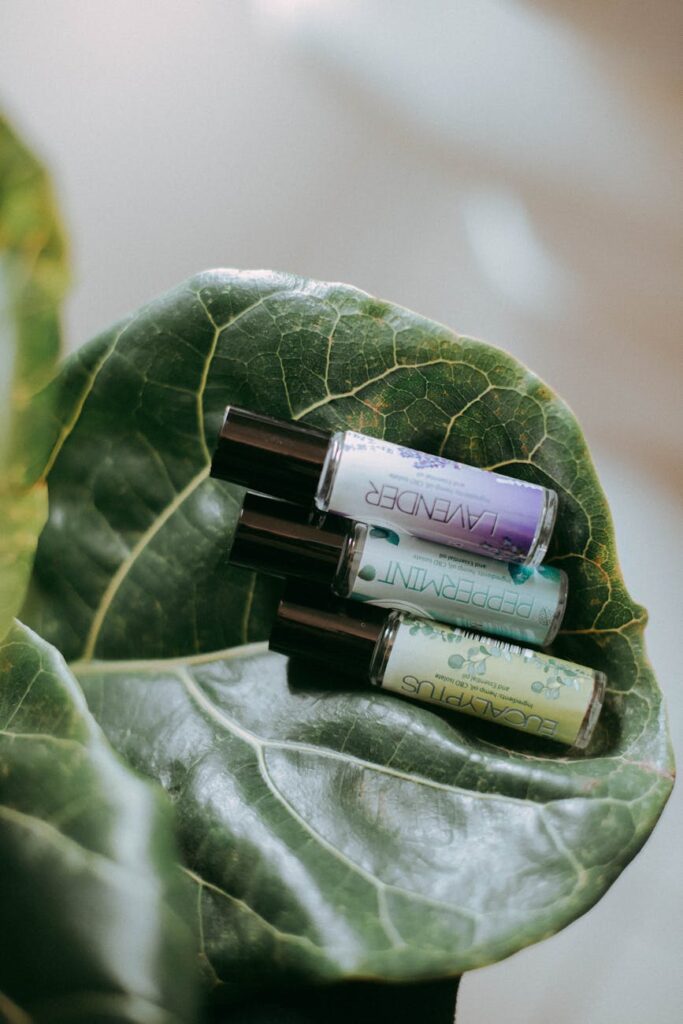
For those who prefer ready-made options, many companies offer aromatherapy blends specifically designed for mood enhancement. These products often come in various forms, including roll-ons, sprays, and blends for diffusers.
Safety Considerations
While aromatherapy is generally considered safe, certain precautions should be observed:
Storage and Shelf Life
Proper storage of essential oils is essential for maintaining their potency and effectiveness. Here are some tips for storage:
Frequently Asked Questions
1. Can aromatherapy blends replace professional treatment for mood disorders?
While aromatherapy can be a valuable complement to traditional treatment methods, it should not replace professional medical advice or treatment for mood disorders. It is important to consult with a healthcare professional for any mental health concerns.
2. Are there any essential oils that should be avoided?
Certain essential oils may not be suitable for everyone. For example, some oils may be irritating to the skin or should be avoided during pregnancy. It is essential to research and consult resources on specific oils before use.
3. How often can I use aromatherapy blends?
The frequency of use can vary based on individual preferences and responses. Many people find benefit in using aromatherapy blends daily, while others may prefer occasional use during stressful situations.
4. How can I incorporate aromatherapy into my daily routine?
Incorporating aromatherapy into daily life can be as simple as using a diffuser in the morning or applying a diluted blend to pulse points before going to bed. Consider integrating these practices into existing routines to enjoy the benefits seamlessly.
Conclusion
Aromatherapy blends offer a natural and effective way to enhance mood and promote emotional well-being. With a rich variety of essential oils available, individuals can tailor their aromatherapy experiences to align with personal preferences and emotional needs. By understanding the benefits, applications, and safety considerations, individuals can confidently explore the world of aromatherapy and its potential to uplift their spirits.