
Health Benefits of Aromatherapy Blends for Mood Upliftment
Introduction
Aromatherapy, an ancient practice that harnesses the therapeutic properties of essential oils, has gained significant popularity in contemporary wellness practices. Utilizing the natural aromas derived from various plants, aromatherapy blends can be particularly effective for mood upliftment, providing a holistic approach to emotional and mental well-being. This article explores the nature of aromatherapy blends aimed at enhancing mood, their benefits, common applications, and safe usage guidelines.
What Is Aromatherapy Blends for Mood Upliftment?
Aromatherapy blends for mood upliftment consist of carefully selected essential oils combined to create a synergistic effect that promotes emotional balance and positivity. Essential oils are concentrated plant extracts obtained through methods such as steam distillation or cold pressing. When combined in specific ratios, these oils can enhance each other’s properties, resulting in a blend that may uplift one’s mood, alleviate feelings of anxiety, or reduce stress.
Common essential oils used for mood upliftment include lavender, bergamot, sweet orange, and rosemary, among others. Each oil carries unique characteristics that contribute to its overall effect, making the selection of oils a vital aspect of creating effective blends.
Key Benefits and Properties
1. Uplifting and Energizing
Certain essential oils, such as citrus oils like lemon and sweet orange, have invigorating properties that can uplift the spirit. These oils are often associated with feelings of joy and positivity, making them ideal for combating feelings of lethargy or sadness.
2. Calming and Soothing
Conversely, oils like lavender and chamomile possess calming properties that can help alleviate anxiety and stress. While they promote relaxation, they can also enhance mood by providing a sense of comfort and security.
3. Cognitive Enhancement
Some essential oils, such as rosemary and peppermint, are known to stimulate mental clarity and enhance focus. This cognitive enhancement can lead to a more positive outlook and improved motivation, making these oils useful in mood upliftment blends.
4. Emotional Balance
Blends that include oils like ylang-ylang or frankincense are believed to help in achieving emotional balance. These oils can support emotional release and promote a sense of well-being by helping to ground and stabilize one’s feelings.
Common Uses
1. Diffusion
One of the most popular methods of using aromatherapy blends is through diffusion. Utilizing an essential oil diffuser, individuals can disperse the fragrant molecules into the air, allowing for inhalation and creating an inviting atmosphere that promotes emotional upliftment.
2. Inhalation
Inhalation is another effective method, where one can simply add a few drops of an essential oil blend to a tissue or cotton ball and breathe in the aroma. This method is convenient for on-the-go mood enhancement and can be easily integrated into daily routines.
3. Topical Application
Aromatherapy blends can also be applied topically when diluted with a carrier oil, such as jojoba or sweet almond oil. This method allows the essential oils to penetrate the skin, providing both aromatic and therapeutic benefits.
4. Bathing
Incorporating essential oils into bathwater can create an immersive sensory experience. Adding a few drops of a mood-boosting blend to a warm bath can enhance relaxation and elevate one’s emotional state.
Aromatherapy Applications
1. Blending Techniques
Creating a balanced and effective aromatherapy blend requires an understanding of the characteristics of various essential oils. A general guideline is to use a combination of top, middle, and base notes. Top notes are typically fresh and uplifting (e.g., lemon, peppermint), middle notes provide balance (e.g., lavender, geranium), and base notes are grounding (e.g., sandalwood, frankincense).
2. Sample Blends
- Citrus Bliss Blend: Combine sweet orange, lemon, and bergamot for an energizing and uplifting aroma.
- Calm and Comfort Blend: Mix lavender, chamomile, and ylang-ylang for a soothing and comforting effect.
- Focus and Clarity Blend: Blend rosemary, peppermint, and basil to enhance mental clarity and focus, suitable for study or work environments.
3. Customization
Individuals may also choose to create personalized blends based on personal preferences and emotional needs. Experimenting with different oils can lead to discovering unique combinations that resonate on a deeper level.
Safety Considerations
While aromatherapy is generally considered safe when used correctly, some precautions should be observed:
1. Skin Sensitivity
Essential oils are potent and may cause skin irritation if applied directly. Always dilute essential oils with a carrier oil before topical application. Conduct a patch test to ensure no adverse reaction occurs.
2. Allergies and Sensitivities
Individuals with allergies or sensitivities should exercise caution when using essential oils. It is advisable to consult with a qualified professional or conduct thorough research on the specific oils being used.
3. Pregnancy and Medical Conditions
Pregnant individuals or those with existing medical conditions should consult a healthcare professional before using essential oils, as certain oils may not be safe during pregnancy or could interact with medications.
Storage and Shelf Life
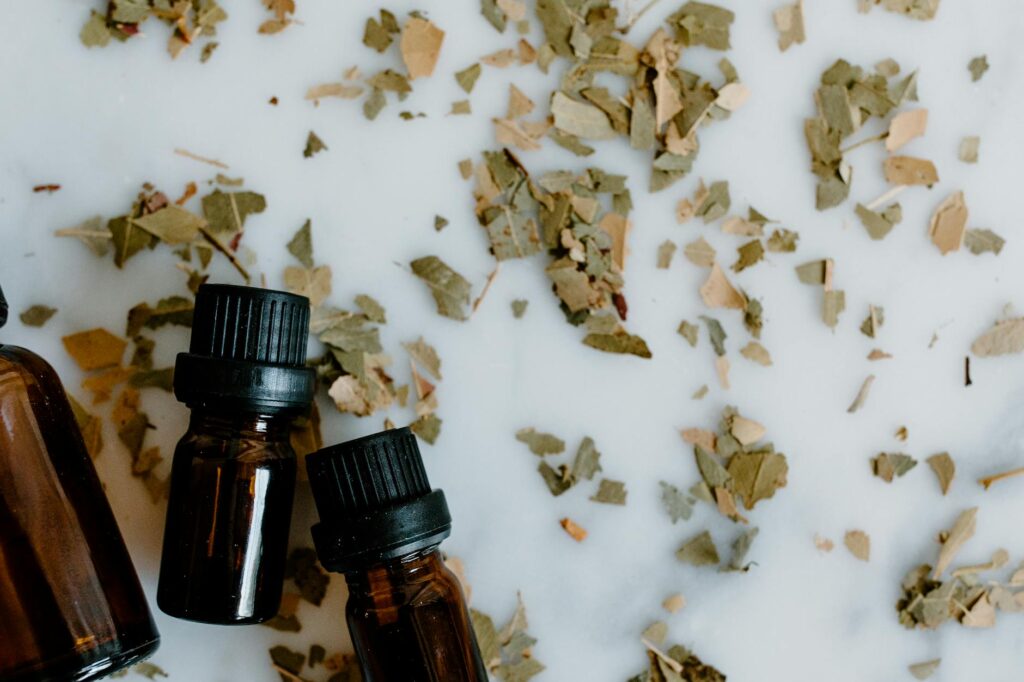
Proper storage is essential for maintaining the integrity and potency of essential oils. Store them in a cool, dark place away from direct sunlight. Amber or cobalt glass bottles are ideal for preserving the oils’ properties. Generally, most essential oils have a shelf life ranging from 1 to 3 years, although some oils like patchouli and sandalwood may improve with age.
Frequently Asked Questions
1. How do I choose the right essential oils for mood upliftment?
Choosing essential oils often involves personal preference and intended effects. Consider what emotions you wish to enhance or alleviate and select oils that align with those goals.
2. Can I use aromatherapy blends with children or pets?
Aromatherapy can be beneficial for children and pets; however, it is crucial to use diluted blends and choose oils that are safe for their age and species. Consult with a qualified aromatherapy practitioner for guidance.
3. How often can I use aromatherapy blends?
The frequency of use depends on individual preferences. For daily mood upliftment, using blends multiple times a day is generally acceptable, provided that safety guidelines are followed.
4. Will aromatherapy work for everyone?
While many individuals report positive effects from using aromatherapy, results can vary widely. Factors such as personal sensitivity to scents, emotional state, and individual preferences play a significant role.
5. Can I create my own blends?
Yes, creating your own blends is encouraged! Experimenting with different oils allows for a personalized approach to aromatherapy. Just be mindful to follow safe blending practices and proportions.
Conclusion
Aromatherapy blends for mood upliftment offer a natural, holistic approach to enhancing emotional well-being. By understanding the properties and benefits of various essential oils, individuals can create personalized blends that resonate with their emotional needs. With mindfulness regarding safety and application methods, aromatherapy can be a valuable tool in cultivating a positive emotional landscape. Whether through diffusion, topical application, or immersion in a calming bath, the potential for uplifting one’s mood through carefully curated essential oil blends is an enriching journey worth exploring.