
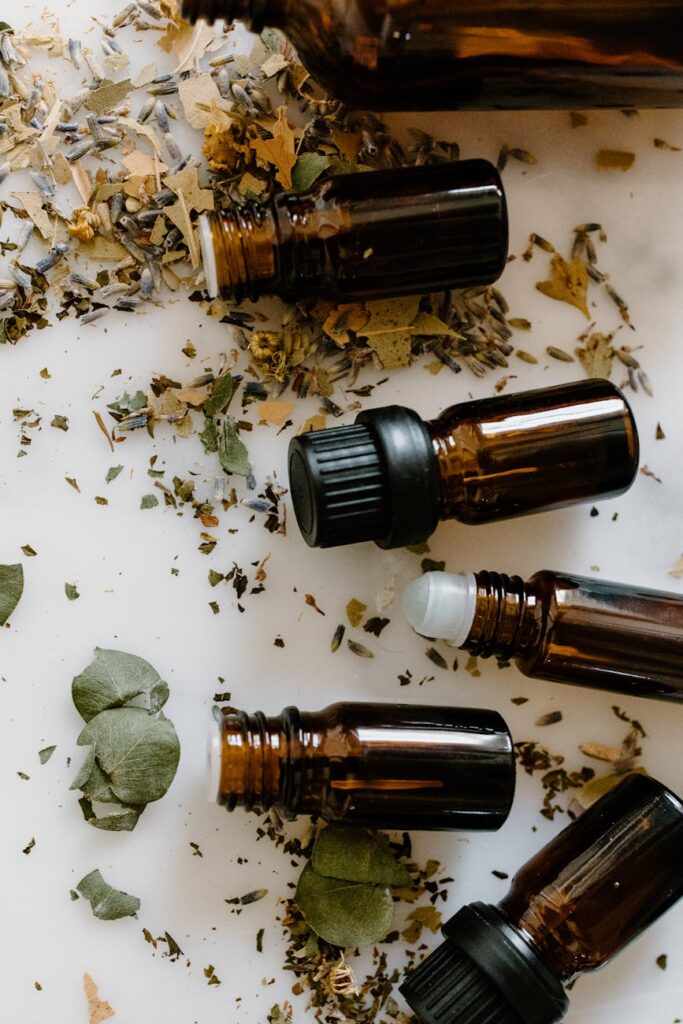
Health Benefits of Aromatherapy Blends for Pet Care
Introduction
Aromatherapy, the practice of using essential oils for therapeutic purposes, has gained popularity not only for human wellness but also for the care of pets. As pet owners become increasingly aware of the holistic approaches to animal health, the use of aromatherapy for pets is emerging as a promising alternative. This article delves into the essential aspects of aromatherapy blends tailored for pet care, highlighting their benefits, common applications, and safety considerations.
What Is Aromatherapy Blends for Pet Care?
Aromatherapy blends for pet care consist of carefully formulated mixtures of essential oils derived from plants, flowers, and herbs. These oils are often diluted with carrier oils to ensure safety and effectiveness. The soothing scents and therapeutic properties of these blends can help address various physical and emotional needs of pets. A variety of essential oils can be combined to create blends that promote relaxation, alleviate anxiety, and support overall wellness in pets.
Key Benefits and Properties
When used appropriately, aromatherapy blends can offer several key benefits for pet care:
1. Anxiety Relief
Many pets experience stress and anxiety due to changes in their environment, loud noises, or separation from their owners. Essential oils such as lavender and chamomile are known for their calming properties, which can help to ease anxiety and promote a sense of peace.
2. Improved Mood
Certain aromas can uplift the spirits of pets. Citrus oils, like sweet orange and lemon, are often used to create a cheerful atmosphere, helping to reduce feelings of lethargy and depression in pets.
3. Enhanced Sleep
Just as humans benefit from relaxing scents before bedtime, pets can also enjoy a restful night’s sleep with the right aromatherapy blend. Oils such as vetiver and marjoram are thought to promote relaxation and better sleep patterns.
4. Support for Skin and Coat Health
Some essential oils possess properties that can benefit the skin and coat of pets. For example, tea tree oil is recognized for its antiseptic qualities, while cedarwood oil can help repel insects, contributing to overall skin health.
5. Digestive Support
Certain blends can also aid digestive issues in pets. Oils like peppermint and ginger can help soothe upset stomachs and improve digestion.
Common Uses
Aromatherapy blends can be utilized in various ways to support pet health and well-being:
1. Diffusion
Using a diffuser to disperse essential oils into the air is one of the most popular methods. This allows pets to benefit from the aromas without direct application.
2. Topical Application
Blends can also be diluted with a carrier oil and applied to specific areas of the pet’s body. This method is particularly effective for skin-related issues or localized discomfort.
3. Bath Additives
Adding essential oils to a pet’s bath can provide a calming experience. Ensure that oils are properly diluted to avoid skin irritation.
4. Pillow Sprays
Creating a calming pillow spray with essential oils can help pets ease into sleep, making it a great addition to their bedtime routine.
Aromatherapy Applications
1. Calming Blends
A common blend for anxious pets may include lavender, chamomile, and ylang-ylang. These oils can be diffused in the home or used in a calming spray.
2. Flea and Tick Repellent
A blend of cedarwood, rosemary, and peppermint oils can serve as a natural repellent for fleas and ticks. However, caution is necessary to ensure that these oils do not cause irritation.
3. Digestive Health
For pets experiencing digestive issues, a blend of ginger and peppermint oil can be diluted and applied topically to the abdomen or diffused in the environment.
4. Skin Care
Essential oils like tea tree and lavender can be combined with a carrier oil and applied to areas of irritation or dryness on a pet’s skin.
Safety Considerations
While aromatherapy can be beneficial, there are important safety considerations:
1. Dilution
Essential oils are concentrated substances and should always be diluted before use. A common dilution ratio is 1 drop of essential oil to 10 drops of carrier oil for topical application.
2. Avoiding Toxic Oils
Not all essential oils are safe for pets. Some oils, such as tea tree, eucalyptus, and certain citrus oils, can be toxic to animals. It is crucial to research specific oils before use.
3. Monitoring Reactions
Always observe your pet after introducing a new essential oil blend. Look for signs of discomfort, such as excessive scratching, lethargy, or changes in behavior.
4. Consultation with Professionals
Before starting any new aromatherapy regimen, pet owners are encouraged to consult with a veterinarian, especially if the pet has pre-existing conditions or is on medication.
Storage and Shelf Life
Proper storage of essential oils is essential for maintaining their efficacy:
1. Cool, Dark Place
Essential oils should be stored in a cool, dark place, away from direct sunlight and heat. This helps to preserve their chemical integrity.
2. Sealed Containers
Always keep oils in tightly sealed containers to prevent evaporation and contamination.
3. Shelf Life
Most essential oils have a shelf life of 1 to 3 years, depending on the type. Regularly check for changes in color, scent, or viscosity, which may indicate that the oil has gone bad.
Frequently Asked Questions
1. Can all pets benefit from aromatherapy?
While many pets can benefit from aromatherapy, it is essential to consider the individual needs and sensitivities of each animal. Always consult with a veterinarian before starting any new therapy.
2. Are there specific oils that should be avoided?
Yes, certain essential oils are known to be toxic to pets, including tea tree oil, eucalyptus, and some citrus oils. Always research and choose pet-safe oils.
3. How do I know if an oil is safe for my pet?
Research the specific essential oil and consult reliable sources or veterinarians. Look for oils that are specifically labeled as pet-safe.
4. Can I use human-grade essential oils for my pet?
Not all human-grade essential oils are safe for pets. Always choose oils that are specifically formulated for animal use and follow appropriate dilution guidelines.
5. How often can I use aromatherapy on my pet?
The frequency of use depends on the specific needs of your pet and the essential oils used. Start with small, infrequent applications and monitor your pet’s response.
Conclusion
Aromatherapy blends for pet care represent a fascinating intersection of holistic health and animal wellness. By understanding the benefits, applications, and safety considerations surrounding these essential oils, pet owners can enhance their animal companions’ quality of life. As with any therapeutic approach, education and caution are vital in ensuring the well-being of our beloved pets.