
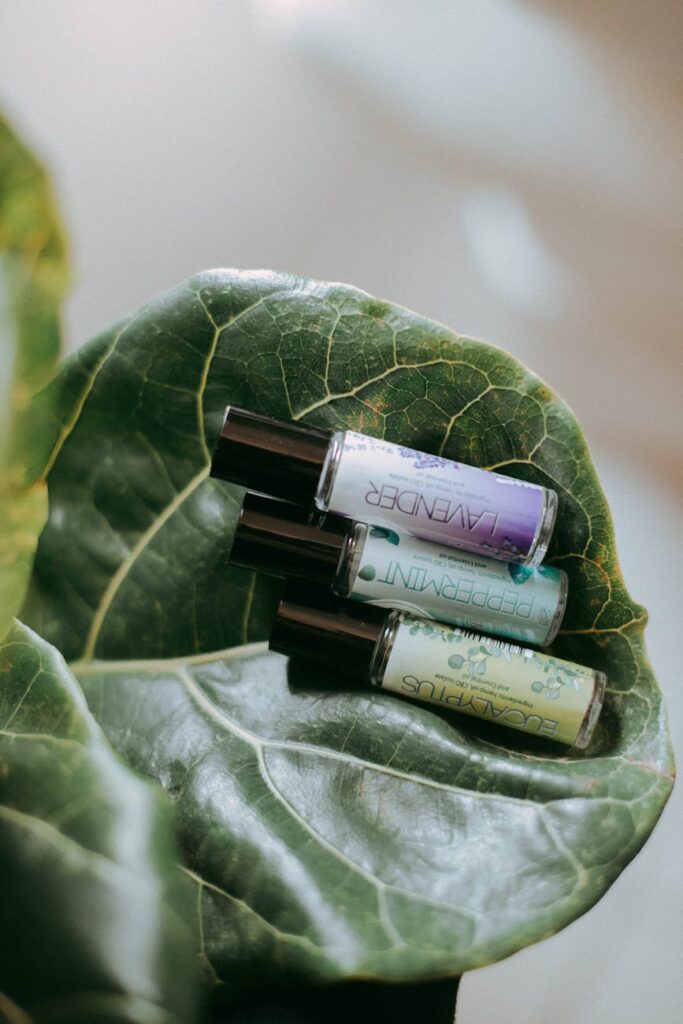
Health Benefits of Aromatherapy Blends for Relaxation and Calmness
Introduction
Aromatherapy, the practice of using essential oils extracted from plants to promote physical and emotional wellness, has gained considerable popularity in recent years. Among its various applications, aromatherapy blends specifically designed for relaxation and calmness have become a focal point for individuals seeking to alleviate stress and enhance their overall well-being. This article explores the nature of these blends, their key benefits, common uses, and safety considerations, offering a comprehensive understanding of their role in promoting relaxation.
What Are Aromatherapy Blends for Relaxation and Calmness?
Aromatherapy blends for relaxation and calmness are carefully formulated mixtures of essential oils that aim to create a soothing environment. These blends typically include oils known for their calming properties, such as lavender, chamomile, bergamot, and ylang-ylang. The synergistic effects of these oils work together to enhance their individual benefits, creating a holistic approach to relaxation.
Essential oils are concentrated plant extracts obtained through various methods, including steam distillation and cold pressing. When inhaled or absorbed through the skin, these oils interact with the body’s olfactory system and may have a profound impact on both mental and physical states.
Key Benefits and Properties
The benefits of aromatherapy blends for relaxation and calmness extend into various aspects of well-being:
1. Stress Reduction
Many essential oils possess properties that may help reduce perceived stress levels. For example, lavender oil is widely recognized for its ability to promote a sense of tranquility and is often used to combat stress and anxiety.
2. Improved Sleep Quality
Certain blends are particularly effective in promoting better sleep. Oils like chamomile and sandalwood are known for their sedative properties, helping to create an environment conducive to restful sleep.
3. Mood Enhancement
Aromatherapy can significantly influence mood. Essential oils such as bergamot and sweet orange may help uplift spirits and reduce feelings of sadness, contributing to overall emotional balance.
4. Enhanced Mental Clarity
While primarily known for relaxation, certain aromatherapy blends can also promote mental clarity and focus. Oils like rosemary, when blended with calming oils, can help maintain alertness without sacrificing relaxation.
5. Physical Relaxation
Muscle tension and discomfort can often accompany stress. Many essential oils, such as marjoram and eucalyptus, have properties that may help alleviate physical tension, promoting a more relaxed state.
Common Uses
Aromatherapy blends for relaxation and calmness can be utilized in various settings and practices:
1. Diffusion
Using an essential oil diffuser is one of the most common methods of experiencing aromatherapy. By dispersing the oils into the air, they can create a calming atmosphere in homes, offices, or wellness spaces.
2. Topical Application
Blending essential oils with carrier oils, such as jojoba or coconut oil, allows for safe application on the skin. This method is often used in massage therapy, where the oils can be absorbed into the body, providing both aromatherapy and physical benefits.
3. Bath Soaks
Adding a few drops of relaxation blends to a warm bath can enhance the experience, promoting relaxation through both inhalation and skin absorption.
4. Inhalation
Simply inhaling the aroma of essential oils directly from the bottle or through a tissue can provide immediate relaxation benefits, making it a convenient option for on-the-go stress relief.
5. Meditation and Yoga
Aromatherapy is often integrated into meditation and yoga practices. The calming scents can enhance focus and promote a deeper sense of relaxation during these activities.
Aromatherapy Applications
To effectively utilize aromatherapy blends for relaxation and calmness, consider the following applications:
1. Personal Care
Many people incorporate essential oils into their daily routines through lotions, shampoos, and bath products. Choosing blends designed for relaxation can enhance self-care rituals.
2. Home Environment
Creating a calming environment at home can be achieved by using aromatherapy blends in candles, incense, or room sprays. This not only promotes relaxation but also contributes to a more inviting atmosphere.
3. Workplace Wellness
Incorporating aromatherapy into the workplace can help alleviate stress and improve concentration. Essential oil diffusers or personal inhalers can be beneficial for creating a serene work environment.
4. Travel
Travel can often be a source of stress. Carrying a travel-sized essential oil blend can provide comfort during long journeys or while adjusting to new environments.
Safety Considerations
While aromatherapy is generally considered safe, certain precautions should be observed:
1. Dilution
Essential oils are highly concentrated and should be diluted with carrier oils before applying to the skin to prevent irritation or allergic reactions.
2. Allergies and Sensitivities
Individuals with allergies or sensitivities should perform a patch test before using a new blend. This involves applying a small amount of diluted oil to a small area of skin to check for adverse reactions.
3. Pregnant or Nursing Women
Those who are pregnant or nursing should consult with a qualified professional before using essential oils, as some oils may not be safe during these periods.
4. Children and Pets
Special care should be taken when using essential oils around children and pets. Certain oils can be harmful to them, so it’s important to research which oils are safe and to use them appropriately.
Storage and Shelf Life
Proper storage of essential oils is crucial for maintaining their efficacy. Here are some guidelines:
1. Storage Conditions
Essential oils should be stored in a cool, dark place, away from direct sunlight and heat sources. Dark glass bottles are preferable as they protect the oils from light exposure.
2. Shelf Life
The shelf life of essential oils varies, but most have a shelf life of about 1 to 3 years. Citrus oils tend to have a shorter shelf life due to their chemical composition, while oils like patchouli and sandalwood can last longer.
3. Signs of Degradation
If an essential oil has changed in color, consistency, or scent, it may be past its prime and should not be used.
Frequently Asked Questions
1. What are the best essential oils for relaxation?
Some of the most popular essential oils for relaxation include lavender, chamomile, bergamot, and ylang-ylang. Each of these oils has unique properties that contribute to a calming atmosphere.
2. How can I create my own relaxation blend?
To create a personal relaxation blend, choose 2-3 essential oils known for their calming effects. Mix them in a carrier oil for topical use, or combine them in a diffuser with water according to the manufacturer’s instructions.
3. Can aromatherapy help with anxiety?
While aromatherapy can promote relaxation and improve mood, it should not be considered a substitute for professional treatment for anxiety disorders. It can be a complementary practice along with other therapies.
4. Are there any essential oils that should be avoided?
Certain essential oils, such as eucalyptus and peppermint, can be too stimulating for some individuals. Always consider personal sensitivity and consult with a knowledgeable source if unsure.
5. How often can I use aromatherapy blends?
Aromatherapy blends can be used daily, but it’s important to listen to your body. If any adverse reactions occur, discontinue use and consult a professional.
Conclusion
Aromatherapy blends for relaxation and calmness offer a holistic approach to managing stress and enhancing well-being. By understanding the properties and applications of these blends, individuals can effectively incorporate them into their daily lives. Whether through diffusion, topical application, or integration into self-care routines, the benefits of these essential oil blends can be a valuable addition to any wellness practice. As with any complementary therapy, it’s essential to approach aromatherapy mindfully, respecting personal preferences and individual sensitivities.