
Health Benefits of Aromatherapy Blends for Relaxation and Sleep Induction
Introduction
In an increasingly fast-paced world, the quest for relaxation and quality sleep has become paramount for many individuals. Aromatherapy, the practice of using essential oils for therapeutic benefits, has gained significant popularity as a natural approach to fostering relaxation and promoting sleep. Through the use of specific essential oil blends, individuals can create an environment conducive to rest and tranquility. This article explores the concept of aromatherapy blends for relaxation and sleep induction, detailing their benefits, applications, and safety considerations.
What Are Aromatherapy Blends for Relaxation and Sleep Induction?
Aromatherapy blends are combinations of essential oils designed to evoke specific therapeutic effects. When the right oils are mixed, they can enhance relaxation, reduce anxiety, and promote restful sleep. Common essential oils used for these purposes include lavender, chamomile, cedarwood, and bergamot, among others. The synergistic properties of these oils can create a harmonious scent profile that not only delights the senses but also addresses emotional and physiological responses.
When inhaled or absorbed through the skin, the aromatic compounds in these oils interact with the limbic system—an area of the brain that governs emotions and memory. This interaction can facilitate a calming effect, making aromatherapy a valuable tool for those seeking to enhance their well-being.
Key Benefits and Properties
1. Anxiety Reduction
Essential oils such as lavender and bergamot are known for their calming properties. Inhaling these scents can help lower levels of cortisol, the stress hormone, contributing to a more tranquil state of mind.
2. Improved Sleep Quality
Certain blends, particularly those containing oils like chamomile and sandalwood, have been linked to improved sleep quality. These oils can help shorten sleep onset time, reduce nighttime awakenings, and promote deeper sleep.
3. Mood Enhancement
Aromatherapy can positively affect mood and emotional well-being. Oils like sweet orange and geranium can uplift the spirit and create a sense of happiness, making them useful for alleviating feelings of sadness or irritability.
4. Muscle Relaxation
Some essential oils, including marjoram and ylang-ylang, possess muscle-relaxing properties. These oils can help ease tension in the body, which is particularly beneficial for individuals who carry stress in their muscles.
5. Enhanced Focus on Rest
Creating a dedicated space with specific aromas can signal to the brain that it is time to relax or sleep. This conditioning can help individuals transition more effectively from a busy day to a restful night.
Common Uses
Aromatherapy blends for relaxation and sleep induction can be utilized in various ways, including:
- Diffusion: Using an essential oil diffuser to disperse the aroma throughout a room, creating an inviting and calming atmosphere.
- Topical Application: Diluting essential oils in a carrier oil (such as coconut or jojoba oil) and applying them to pulse points, such as wrists or the neck, for a more personalized experience.
- Bath Additives: Adding a few drops of essential oils to a warm bath can enhance relaxation, allowing for a soothing experience that promotes sleepiness.
- Pillow Sprays: Creating a pillow spray with diluted essential oils can provide a calming scent close to the face as one drifts off to sleep.
- Lavender (Lavandula angustifolia): Known for its calming effects.
- Bergamot (Citrus bergamia): Helps reduce anxiety and improve mood.
- Frankincense (Boswellia carterii): Promotes tranquility and mental clarity.
- Cedarwood (Cedrus atlantica): Known for its grounding properties.
- Dilution: Essential oils are highly concentrated substances. It is crucial to dilute them with a carrier oil before applying them to the skin to avoid irritation.
- Allergic Reactions: Individuals should conduct a patch test before using a new essential oil to check for allergic reactions. If irritation occurs, discontinue use.
- Pregnancy and Nursing: Pregnant or nursing individuals should consult with a qualified professional before using essential oils, as certain oils may not be safe during these periods.
- Medical Conditions: Those with chronic health conditions or those on medication should consult a healthcare provider before using aromatherapy, as some essential oils can interact with medications.
- Cool and Dark: Essential oils should be stored in a cool, dark place, away from direct sunlight and heat, which can degrade their quality.
- Tightly Sealed: Keeping the bottles tightly sealed helps to prevent oxidation and evaporation, extending their shelf life.
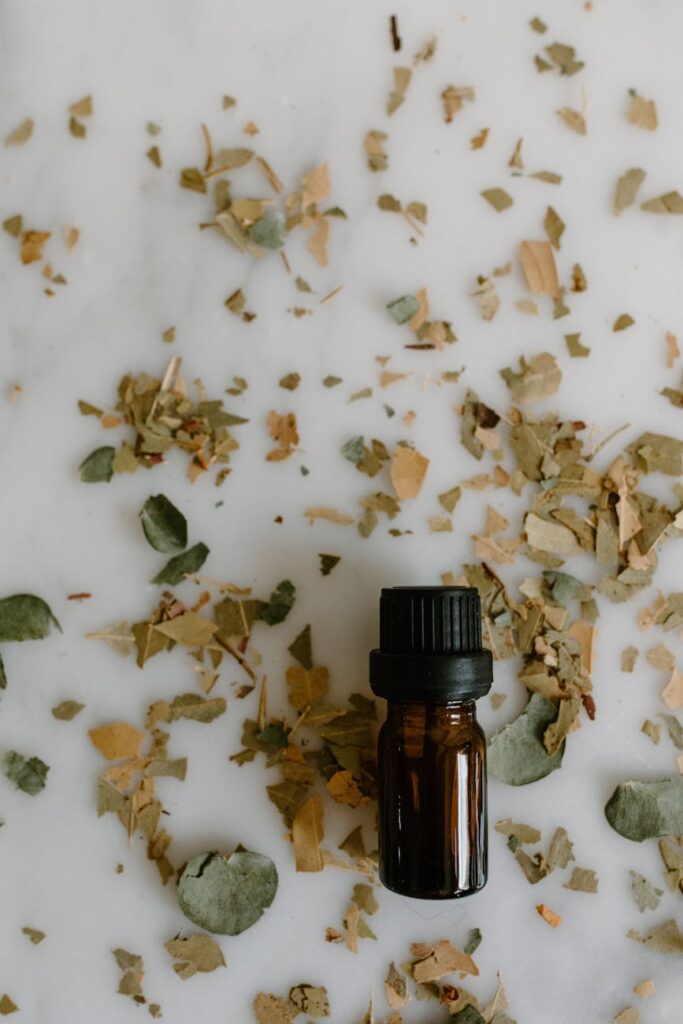
- Glass Containers: Essential oils should be stored in dark glass containers (amber or cobalt blue) to protect them from light exposure.
- Shelf Life: Most essential oils can last between 1 to 5 years, depending on the oil. Citrus oils typically have a shorter shelf life than woody or resinous oils.
Aromatherapy Applications
1. Blending Oils
Creating the perfect blend typically involves mixing a few key essential oils known for their relaxing and sleep-inducing properties. A popular blend might include:
2. Using Diffusers
Essential oil diffusers come in various types, including ultrasonic, nebulizing, and heat diffusers. Ultrasonic diffusers are particularly popular as they use water to disperse the oils, creating a fine mist that enhances the aroma without compromising the oil’s integrity.
3. Creating a Relaxation Ritual
Establishing a bedtime routine that incorporates aromatherapy can be beneficial. This might include dimming lights, playing soft music, and using a diffuser with a chosen blend to create a conducive environment for relaxation.
Safety Considerations
While aromatherapy is generally safe for most individuals, there are several important safety considerations to keep in mind:
Storage and Shelf Life
The shelf life of essential oils can vary depending on their chemical composition and how they are stored. Here are some tips for proper storage:
Frequently Asked Questions
1. Can I use any essential oil for relaxation and sleep?
While many essential oils can promote relaxation, some are more effective than others. Popular choices include lavender, chamomile, and bergamot.
2. How often can I use aromatherapy blends?
Aromatherapy can be used daily; however, it is advisable to monitor your body’s response and adjust as needed.
3. Is aromatherapy safe for children?
Certain essential oils are safe for children, but it is crucial to dilute them appropriately and consult an expert on suitable oils and dosages.
4. What is the best method to use aromatherapy for sleep?
Diffusion in the bedroom before sleep, combined with a calming bedtime ritual, is often considered the most effective method for using aromatherapy to promote sleep.
5. Can aromatherapy replace medication for sleep disorders?
Aromatherapy can be a complementary approach to promoting relaxation and sleep but should not replace professional medical advice or treatment for sleep disorders.
Conclusion
Aromatherapy blends for relaxation and sleep induction offer a natural and enjoyable way to enhance well-being. By understanding the properties, benefits, and applications of various essential oils, individuals can create personalized blends that cater to their specific needs. As with any holistic practice, it’s essential to approach aromatherapy with mindfulness, respecting both its potential and its limitations. Through careful consideration and application, aromatherapy can become a valuable part of one’s self-care routine, paving the way for improved relaxation and restful sleep.