
Health Benefits of Aromatherapy Blends for Seasonal Allergy Prevention
Introduction
Seasonal allergies, often triggered by pollen, mold spores, and other airborne allergens, affect millions of individuals worldwide. Symptoms can range from mild irritation to significant discomfort, impacting daily life and overall well-being. While traditional medications are frequently used to manage these symptoms, many individuals are turning to complementary approaches, such as aromatherapy, for relief. This article explores the potential benefits of using aromatherapy blends to alleviate seasonal allergy symptoms, highlighting their properties, common uses, and safety considerations.
What Is Aromatherapy Blends for Seasonal Allergy Prevention?
Aromatherapy is the practice of using essential oils extracted from plants to enhance physical and emotional well-being. When blended thoughtfully, these oils can create synergistic effects that may support the body’s natural defenses against seasonal allergens. Aromatherapy blends specifically targeted for seasonal allergy prevention typically include a combination of essential oils known for their anti-inflammatory, antihistamine, and decongestant properties.
These blends can be used in various forms, such as diffusers, inhalers, topical applications, and even in bath products, providing multiple avenues for individuals to incorporate them into their daily routine.
Key Benefits and Properties
The essential oils commonly used in aromatherapy blends for seasonal allergy prevention possess a variety of beneficial properties:
1. Anti-Inflammatory Properties
Essential oils like lavender, chamomile, and eucalyptus have anti-inflammatory effects that may help reduce the swelling and irritation associated with allergy symptoms.
2. Antihistamine Effects
Certain oils, such as peppermint and lemon, are believed to exhibit antihistamine properties, potentially helping to mitigate allergic reactions.
3. Decongestant Qualities
Eucalyptus and tea tree oils are known for their decongestant qualities, making them effective in clearing nasal passages and promoting easier breathing.
4. Mood Enhancement
Seasonal allergies can take a toll on emotional well-being. Oils like bergamot and sweet orange have uplifting properties that may help alleviate feelings of stress and anxiety associated with allergy flare-ups.
5. Immune Support
Some essential oils, including thyme and oregano, are thought to bolster the immune system, potentially enhancing the body’s natural defenses against allergens.
Common Uses
Aromatherapy blends for seasonal allergy prevention can be utilized in various ways, depending on individual preferences and lifestyle:
1. Diffusion
Using an essential oil diffuser is one of the most popular methods for dispersing aromatic compounds into the air. This allows for easy inhalation and can create a pleasant atmosphere while providing therapeutic benefits.
2. Inhalation
Direct inhalation of essential oils can be achieved through inhalers or by adding a few drops to a cotton ball. This method facilitates immediate access to the oils’ properties.
3. Topical Application
When diluted with a carrier oil, essential oils can be applied directly to the skin. Targeted areas may include pulse points, chest, or back to aid in respiratory support.
4. Bath Products
Adding essential oils to bath products or bath salts can create a soothing environment while providing relief from allergy symptoms.
5. Room Sprays
Creating a homemade room spray with essential oils can help purify the air in living spaces, potentially reducing allergen exposure.
Aromatherapy Applications
To effectively harness the benefits of aromatherapy for seasonal allergy prevention, consider the following essential oils and their potential applications:
1. Eucalyptus
Known for its decongestant properties, eucalyptus can be diffused or used in steam inhalation to clear nasal passages.
2. Lavender
Lavender’s calming and anti-inflammatory properties make it suitable for reducing stress and irritation caused by allergens. It can be used in diffusers or as a topical application when diluted.
3. Peppermint
Peppermint oil may assist in opening airways and alleviating headaches associated with sinus pressure. It can be inhaled directly or blended with a carrier oil for application.
4. Lemon
Lemon essential oil is believed to have antihistamine effects. It can be added to diffusers or room sprays for a refreshing scent and potential relief.
5. Tea Tree
Tea tree oil has antimicrobial properties, making it effective in purifying the air and potentially reducing allergen exposure. It can be used in sprays or added to cleaning products.
6. Chamomile
Chamomile’s soothing properties can help alleviate irritation. It is most effective when used in a bath or as a steam inhalation.
Safety Considerations
While aromatherapy is generally regarded as safe for most individuals, it is essential to follow certain precautions:
1. Dilution: Always dilute essential oils with a carrier oil before applying them to the skin to avoid irritation.
2. Patch Test: Conduct a patch test before using a new essential oil to check for skin sensitivity.
3. Pregnancy and Nursing: Pregnant or nursing individuals should consult a healthcare professional before using essential oils.
4. Allergies: Be cautious if you have known allergies to specific plants, as some essential oils may trigger allergic reactions.
5. Children: Some essential oils are not suitable for children. Consult guidelines or a professional before use.
6. Consultation: If you have existing health conditions or are taking medications, consult a healthcare provider before incorporating aromatherapy into your routine.
Storage and Shelf Life
Proper storage of essential oils is crucial to maintain their potency and effectiveness. Here are some guidelines:
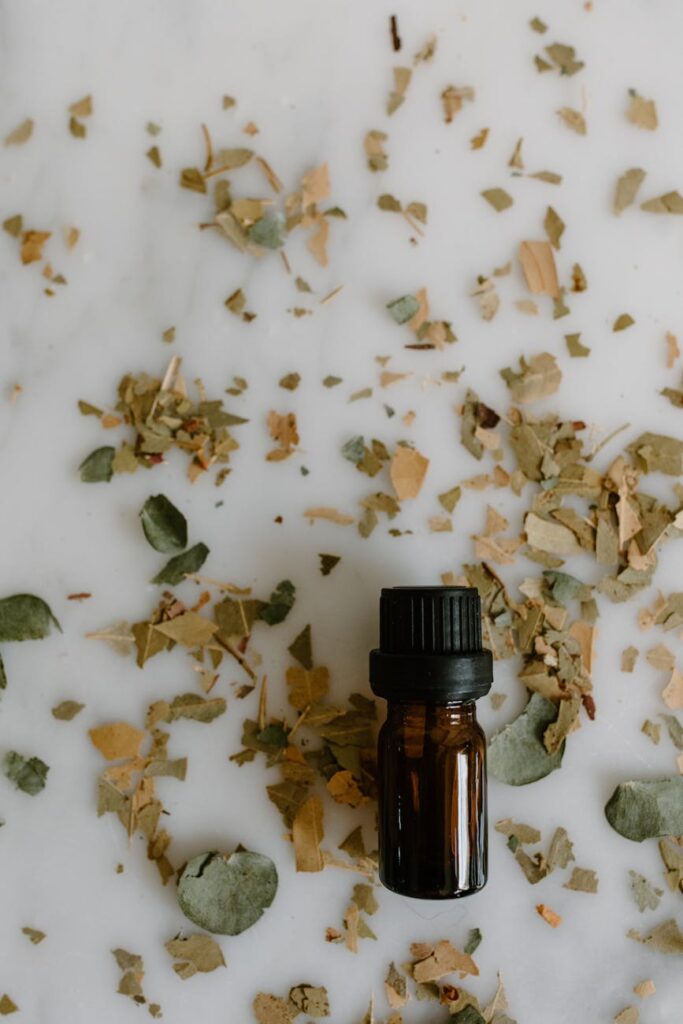
1. Dark Glass Bottles: Store essential oils in dark glass containers to protect them from light, which can degrade their quality.
2. Cool Temperatures: Keep oils in a cool, dry place, away from direct sunlight and heat sources.
3. Expiration: While essential oils do not have a definitive expiration date, their potency may diminish over time. Generally, citrus oils have a shorter shelf life (1-2 years), while some woody oils can last up to 5 years or more.
4. Labeling: Clearly label bottles with the name of the oil and the date of purchase to track freshness.
Frequently Asked Questions
1. Can aromatherapy completely cure seasonal allergies?
Aromatherapy is not a cure but may provide supportive benefits in managing symptoms. It is best used as a complementary approach along with conventional treatments.
2. How quickly can I expect to see results from using aromatherapy blends?
Results may vary based on individual responses and the specific oils used. Some individuals may experience relief almost immediately, while others may need consistent use over time.
3. Are there specific blends recommended for seasonal allergies?
Blends often contain a combination of eucalyptus, lavender, peppermint, and lemon oils. However, individual preferences and sensitivities will dictate the best blend for each person.
4. Can I use essential oils if I have asthma?
Individuals with asthma should consult a healthcare provider before using essential oils, as some oils may trigger symptoms.
5. How often can I use aromatherapy blends?
Frequency of use can depend on individual preference and the specific oils involved. For inhalation or diffusion, multiple times a day may be appropriate, while topical applications should be limited to a few times daily.
Conclusion
While seasonal allergies can be a nuisance, incorporating aromatherapy blends into your daily routine may offer a supportive strategy for managing symptoms. By understanding the properties of various essential oils and their applications, individuals can create personalized blends that align with their needs. Always prioritize safety and consult professionals when necessary to ensure a holistic approach to seasonal allergy prevention.