
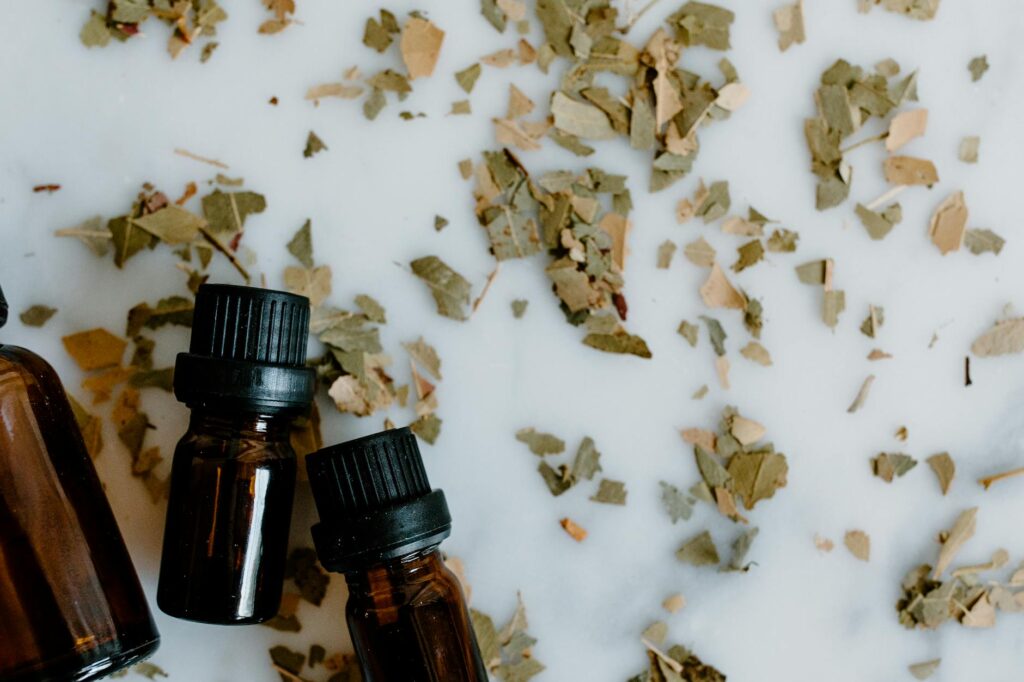
Health Benefits of Aromatherapy Blends for Seasonal Mood Changes
Introduction
As the seasons shift, so too can our moods and emotional well-being. Many individuals experience fluctuations in their emotional state during seasonal transitions, particularly during winter and early spring. Aromatherapy, the practice of using essential oils for therapeutic benefits, provides a natural avenue to help support emotional health. This article explores the concept of aromatherapy blends tailored for seasonal mood changes, their benefits, applications, and safety considerations.
What Is Aromatherapy Blends for Seasonal Mood Changes?
Aromatherapy blends specifically designed for seasonal mood changes utilize a combination of essential oils to help balance emotions and enhance mental well-being. Essential oils are concentrated extracts obtained from various parts of plants, including leaves, flowers, bark, and roots. When blended thoughtfully, these oils can synergistically work together to create a desired emotional effect.
For example, an aromatherapy blend intended for winter blues might combine uplifting oils like bergamot and sweet orange with grounding oils like cedarwood. The goal is to create a holistic approach to emotional support, utilizing the natural properties of each oil to cultivate a balanced state of mind.
Key Benefits and Properties
The benefits of aromatherapy for seasonal mood changes can be multifaceted, encompassing emotional, psychological, and even physical aspects. Here are some key properties often associated with essential oils used in these blends:
1. Uplifting and Energizing: Citrus oils, such as lemon and grapefruit, are renowned for their ability to elevate mood and promote feelings of happiness and vitality.
2. Calming and Soothing: Oils like lavender and chamomile are well-known for their calming effects, helping to reduce anxiety and stress-related symptoms.
3. Grounding and Stabilizing: Earthy oils such as patchouli and vetiver can provide a sense of stability and grounding, making them beneficial for individuals feeling overwhelmed by seasonal changes.
4. Mental Clarity and Focus: Peppermint and rosemary are often included in blends aimed at enhancing mental clarity and concentration, which can be particularly useful during times of emotional fatigue.
5. Balancing Emotions: Oils like geranium and ylang-ylang help in balancing emotional states, promoting a sense of inner peace and well-being.
The combined effects of these oils can help individuals manage the emotional challenges associated with seasonal changes while also promoting general wellness.
Common Uses
Aromatherapy blends for seasonal mood changes can be used in various ways, depending on personal preference and the specific emotional needs of the individual. Common applications include:
1. Diffusion: Using an essential oil diffuser to disperse the aroma throughout a living space can create an uplifting or calming environment, depending on the blend used.
2. Inhalation: Direct inhalation from the bottle or by adding a few drops to a tissue or cotton ball allows for immediate access to the oil’s benefits.
3. Topical Application: When diluted with a carrier oil, essential oil blends can be applied to pulse points, such as wrists or temples, for a more personal connection to the oil’s effects.
4. Bathing: Adding essential oils to bathwater can create a relaxing and aromatic experience, enhancing both mood and physical relaxation.
5. Massage: Incorporating aromatherapy blends into massage oils not only provides the benefits of touch but also allows the essential oils to penetrate the skin for added therapeutic effects.
Aromatherapy Applications
Creating effective aromatherapy blends for seasonal mood changes requires an understanding of the properties of various essential oils. Below are some suggested blends for different emotional states:
1. Blend for Uplifting Energy (Winter Blues)
- Ingredients:
- 5 drops Sweet Orange
- 3 drops Bergamot
- 2 drops Ylang-Ylang
- Application: Diffuse in a room or use for personal inhalation.
- Ingredients:
- 4 drops Lavender
- 3 drops Roman Chamomile
- 2 drops Frankincense
- Application: Mix with a carrier oil for a soothing massage or add to a warm bath.
- Ingredients:
- 4 drops Peppermint
- 3 drops Rosemary
- 2 drops Lemon
- Application: Use in a diffuser during work or study sessions.
- Ingredients:
- 3 drops Cedarwood
- 3 drops Patchouli
- 2 drops Bergamot
- Application: Apply to pulse points to promote a sense of calm.
2. Blend for Calm and Relaxation (Anxiety and Stress)
3. Blend for Focus and Clarity (Mental Fatigue)
4. Blend for Grounding and Stability (Overwhelm)
Safety Considerations
While aromatherapy can be a beneficial practice, it is essential to adhere to safety guidelines to avoid potential adverse effects:
1. Dilution: Always dilute essential oils with a carrier oil before applying them to the skin to prevent irritation or allergic reactions. A common dilution ratio is 2-3 drops of essential oil per teaspoon of carrier oil.
2. Patch Test: Conduct a patch test on a small area of skin to check for any allergic reactions before widespread application.
3. Pregnancy and Nursing: Certain essential oils may not be suitable for pregnant or nursing individuals. Consulting with a healthcare provider before use is advisable.
4. Children and Pets: Use caution when using essential oils around children and pets. Some oils may be too potent for young children or harmful to pets.
5. Quality of Essential Oils: Always purchase high-quality, pure essential oils from reputable sources to ensure safety and efficacy. Look for oils that are labeled as 100% pure and free from synthetic additives.
Storage and Shelf Life
Proper storage of essential oils is crucial to maintaining their effectiveness and longevity:
1. Storage Conditions: Essential oils should be stored in a cool, dark place away from direct sunlight and heat. Dark glass bottles are preferable for protecting the oils from light degradation.
2. Shelf Life: The shelf life of essential oils varies depending on the type. Generally, citrus oils tend to have a shorter shelf life (1-2 years), while oils like sandalwood and patchouli can last longer (up to 10 years) when stored correctly.
3. Signs of Rancidity: If an essential oil develops an off smell, changes in color, or thickens in consistency, it is advisable to discard it.
Frequently Asked Questions
1. Can aromatherapy blends replace professional therapy?
Aromatherapy can complement therapeutic practices but should not be viewed as a substitute for professional mental health support.
2. How often can I use aromatherapy blends?
Frequency of use can vary based on personal preference and response. It is generally safe to use daily, but listening to your own body and emotions is essential.
3. Are there any essential oils to avoid during pregnancy?
Yes, certain oils like rosemary, basil, and sage are often advised against during pregnancy. Always consult a healthcare provider for personalized guidance.
4. Can aromatherapy help with seasonal affective disorder (SAD)?
While some individuals find relief through aromatherapy, it is crucial to approach SAD with a holistic view that may include therapy, light exposure, and lifestyle changes.
5. What is the best way to diffuse essential oils?
Ultrasonic diffusers are popular for their ability to disperse oils evenly without heat, preserving the oils’ therapeutic properties.
In conclusion, aromatherapy blends for seasonal mood changes offer a natural and holistic approach to emotional well-being. By understanding the properties and applications of various essential oils, individuals can create tailored blends that resonate with their emotional needs, enhancing their quality of life during seasonal transitions.