
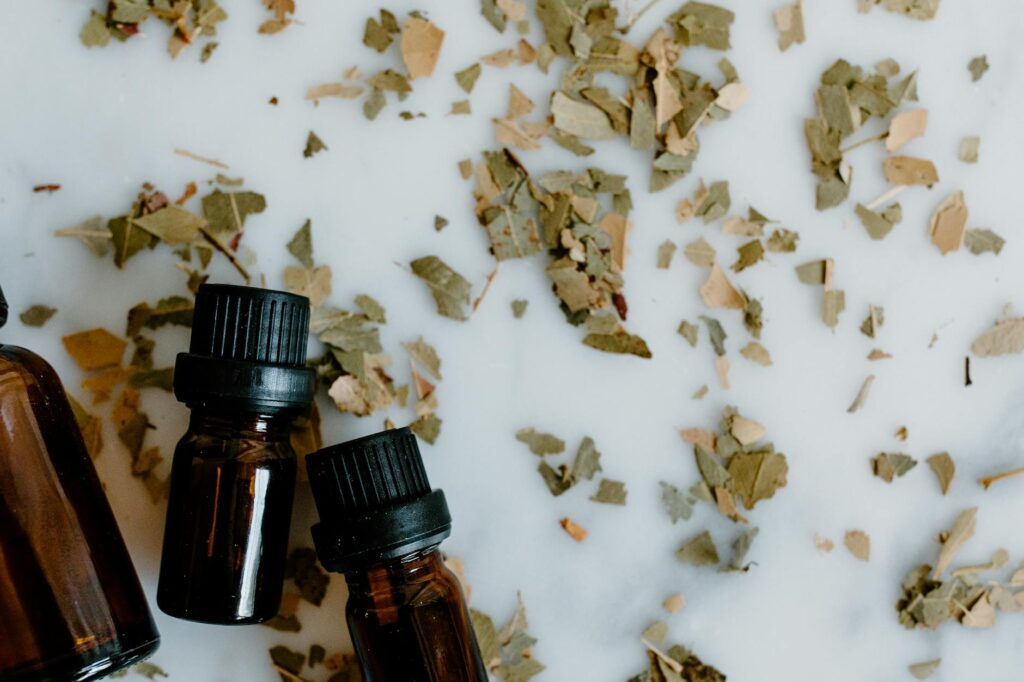
Health Benefits of Aromatherapy Blends for Seasonal Mood Support
Introduction
The changing seasons can significantly influence our mood and overall well-being. For many, the transition from the warmth of summer to the chill of winter, or the arrival of spring after a long winter, can evoke a range of emotional responses. Aromatherapy, the practice of using essential oils from plants for therapeutic purposes, offers a holistic approach to enhance mood and emotional health throughout the seasons. This article explores the benefits of aromatherapy blends specifically aimed at providing seasonal mood support, outlining their properties, common uses, applications, and important safety considerations.
What Is Aromatherapy Blends for Seasonal Mood Support?
Aromatherapy blends are mixtures of essential oils formulated to promote emotional and physical well-being. Seasonal mood support blends are specifically designed to address mood fluctuations that may accompany seasonal changes. These blends can include a variety of essential oils known for their uplifting, calming, or balancing properties, allowing individuals to find emotional stability and comfort throughout the year.
The concept of using aromas to influence mood is grounded in both historical practices and modern scientific research. Essential oils, derived from various plant parts such as leaves, flowers, roots, and seeds, contain potent compounds that can interact with the brain’s limbic system, the area responsible for emotions and memory.
Key Benefits and Properties
1. Uplifting and Energizing
Certain essential oils, such as citrus oils (e.g., lemon, orange, and bergamot), are renowned for their uplifting properties. These oils can promote feelings of happiness and motivation, making them valuable during periods of low energy or seasonal affective disorder (SAD).
2. Calming and Grounding
Conversely, oils like lavender, chamomile, and frankincense are celebrated for their calming effects. These oils can help alleviate anxiety and promote relaxation, especially during stressful seasonal transitions.
3. Balancing Emotions
Blends incorporating oils such as geranium, ylang-ylang, and patchouli can assist in balancing emotions. These oils may help stabilize mood swings and foster a sense of emotional equilibrium.
4. Stress Reduction
Many essential oils, including sandalwood and cedarwood, possess grounding properties that can help reduce stress levels. Incorporating these oils into an aromatherapy blend can create a soothing atmosphere conducive to emotional healing.
5. Enhancing Focus
Certain oils, like rosemary and peppermint, are known to enhance cognitive function and concentration. When seasonal changes disrupt our focus and productivity, these oils can provide mental clarity and support.
Common Uses
Aromatherapy blends for seasonal mood support can be utilized in various ways, making them versatile tools for emotional wellness:
1. Diffusion
Using an essential oil diffuser is one of the most popular methods for enjoying aromatherapy blends. By dispersing the oils into the air, individuals can create an aromatic environment that promotes mood enhancement.
2. Inhalation
Inhalation is a simple yet effective method of experiencing the benefits of essential oils. Individuals can place a few drops of their chosen blend on a tissue or cotton ball and inhale deeply.
3. Massage
Diluting essential oils in a carrier oil (e.g., jojoba, sweet almond, or coconut oil) allows for topical application through massage. This method not only delivers the benefits of the oils but also promotes relaxation through the physical act of massage.
4. Bathing
Adding aromatherapy blends to a warm bath can create a tranquil and rejuvenating experience. The steam from the water helps to disperse the essential oils, enhancing their aromatic effects.
5. Personal Inhalers
Creating a personal inhaler with essential oils allows individuals to carry their preferred blend for on-the-go mood support. Simply adding a few drops to an inhaler stick can provide quick access to the benefits of aromatherapy throughout the day.
Aromatherapy Applications
1. Seasonal Transitions
During seasonal changes, individuals may experience mood fluctuations. For example, transitioning from summer to fall can bring feelings of nostalgia or sadness as the days grow shorter. Utilizing uplifting blends with citrus oils can help combat these feelings.
2. Winter Blues
The winter months often bring about feelings of lethargy and sadness for many. Aromatherapy blends containing invigorating oils like peppermint and rosemary can provide a much-needed energy boost.
3. Spring Awakening
As spring arrives, it can evoke feelings of renewal and growth. Blends featuring floral oils such as jasmine and geranium can enhance feelings of joy and optimism during this season of rebirth.
4. Summer Relaxation
The summer months may bring about stress from heat and travel. Blends with calming oils like lavender and chamomile can provide relaxation and tranquility during this bustling season.
Safety Considerations
While aromatherapy is generally considered safe for most individuals, certain precautions should be taken:
1. Dilution
Essential oils are highly concentrated and should be diluted before applying to the skin. A common dilution ratio is 2-3 drops of essential oil per teaspoon of carrier oil.
2. Skin Sensitivity
Before using a new essential oil blend, conduct a patch test by applying a small amount to the skin. If irritation occurs, discontinue use.
3. Pregnant or Nursing Individuals
Consultation with a healthcare professional is advisable for pregnant or nursing individuals before using essential oils, as some oils may not be safe during these periods.
4. Allergies
Individuals with allergies should be cautious and research the oils in their blends to ensure they do not trigger allergic reactions.
5. Children and Pets
Certain essential oils may not be safe for use around children or pets. Always check guidelines specific to children and animal safety when selecting oils.
Storage and Shelf Life
Proper storage of essential oils is essential to maintain their potency and effectiveness.
1. Storage
Essential oils should be stored in a cool, dark place, preferably in amber or cobalt blue glass bottles to protect them from light.
2. Shelf Life
Most essential oils have a shelf life of 1-3 years, depending on the type of oil and storage conditions. Citrus oils tend to have a shorter shelf life, while oils like patchouli and sandalwood can improve with age.
Frequently Asked Questions
1. Can I create my own aromatherapy blends for mood support?
Yes, creating personalized blends allows individuals to tailor the aromas to their preferences and emotional needs. It is important to research the properties of each oil and blend them safely.
2. How often can I use aromatherapy blends for mood support?
Aromatherapy blends can be used as often as needed. However, it is advisable to take breaks between uses to avoid desensitization to the oils.
3. Are there any essential oils to avoid for mood support?
Some essential oils may evoke strong emotional responses or may not be suitable for certain individuals. It is wise to research and choose oils that align with your emotional needs and sensitivities.
4. Can aromatherapy replace traditional mental health treatments?
While aromatherapy can complement traditional treatments, it should not replace professional mental health care. Always consult with a qualified healthcare professional for mental health concerns.
5. How do I know which essential oils to choose for seasonal mood support?
Researching the properties of various essential oils can provide insights into their effects on mood. Consider personal preferences and emotional responses to different scents when selecting oils.
Conclusion
Aromatherapy blends for seasonal mood support offer a holistic approach to enhancing emotional well-being throughout the year. By understanding the benefits and properties of various essential oils, individuals can create custom blends tailored to their needs. Whether through diffusion, inhalation, or topical application, these aromatic therapies can provide comfort and balance during the fluctuating moods that accompany seasonal changes. Always prioritize safety by following guidelines for use and storage, and consider aromatherapy as a complementary tool for emotional health.