
Health Benefits of Aromatherapy Blends for Seasonal Transition Support
Introduction
As the seasons change, our bodies and minds often require additional support to adapt to new environmental conditions. Aromatherapy, a holistic healing practice utilizing essential oils, has gained popularity for its ability to promote emotional and physical well-being. Aromatherapy blends specifically designed for seasonal transition aim to harness the therapeutic properties of various essential oils to help individuals navigate the challenges that accompany these changes. This article will explore the essence of aromatherapy blends, their key benefits, common applications, and considerations for safe use.
What Is Aromatherapy Blends for Seasonal Transition Support?
Aromatherapy blends for seasonal transition support are carefully curated mixtures of essential oils tailored to address the physical and emotional challenges that arise during changes in seasons. These blends can be designed to boost immunity during the cold months, uplift mood in the spring, or provide comfort during the heat of summer. Each blend typically combines oils with complementary properties that work synergistically to promote overall well-being.
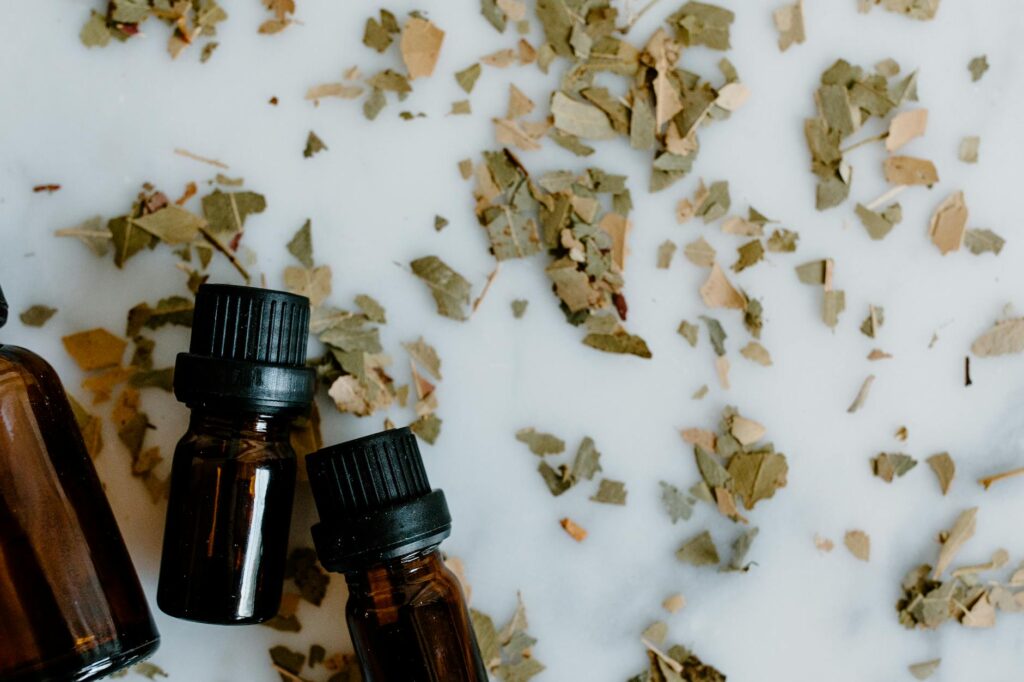
Essential oils are extracted from various parts of plants, including leaves, flowers, stems, and roots. Each essential oil carries unique characteristics influenced by the plant’s botanical family, growing conditions, and extraction method. Popular essential oils used in these blends include lavender, eucalyptus, peppermint, and citrus oils, among others.
Key Benefits and Properties
The benefits of using aromatherapy blends during seasonal transitions can be diverse and impactful. Below are some of the key properties that make these blends particularly effective:
1. Immune Support
Certain essential oils, such as tea tree, oregano, and eucalyptus, are known for their antimicrobial properties. These oils can help support the immune system during times when colds and flu are prevalent.
2. Mood Enhancement
Seasonal changes can affect mood and energy levels. Citrus oils like lemon and orange are often included in blends for their uplifting and energizing effects. Similarly, floral oils such as rose and geranium can promote emotional balance and reduce feelings of stress.
3. Respiratory Relief
As seasons shift, respiratory issues can arise, particularly during allergy season. Essential oils like peppermint, eucalyptus, and lavender can help clear the airways, making breathing easier.
4. Stress Reduction
The transition between seasons can bring about stress and anxiety. Oils such as chamomile, frankincense, and sandalwood are renowned for their calming properties, helping to reduce tension and promote relaxation.
5. Skin Care
Seasonal changes can also impact skin health, leading to dryness or irritation. Oils like tea tree, lavender, and geranium can support skin health and provide soothing effects.
Common Uses
Aromatherapy blends for seasonal transition support can be utilized in various ways, including:
- Diffusion: Adding a few drops of the blend to a diffuser can disperse the oils into the air, filling a room with their therapeutic aromas.
- Topical Application: Diluting essential oils with a carrier oil and applying them to the skin can provide localized benefits.
- Bathing: Adding essential oils to bathwater can create a soothing and rejuvenating experience.
- Inhalation: Direct inhalation from the bottle or a cotton ball can deliver immediate effects, such as relaxation or invigoration.
- Lemon essential oil (Citrus limon)
- Lavender essential oil (Lavandula angustifolia)
- Peppermint essential oil (Mentha piperita)
- Eucalyptus essential oil (Eucalyptus globulus)
- Bergamot essential oil (Citrus bergamia)
- Lavender essential oil (Lavandula angustifolia)
- Cinnamon essential oil (Cinnamomum verum)
- Clary sage essential oil (Salvia sclarea)
- Orange essential oil (Citrus sinensis)
- Tea tree essential oil (Melaleuca alternifolia)
- Oregano essential oil (Origanum vulgare)
- Frankincense essential oil (Boswellia serrata)
- Store in Dark Glass Bottles: Essential oils should be kept in dark glass bottles to protect them from light, which can degrade their quality.
- Keep Away from Heat: Store oils in a cool, dry place away from direct sunlight and heat sources.
- Seal Tightly: Ensure bottles are sealed tightly to prevent evaporation and contamination.
Aromatherapy Applications
Aromatherapy blends can be customized for specific seasonal transitions. Here are a few examples of commonly used blends:
1. Spring Awakening Blend
Ingredients:
Uses:
This blend can help lift the spirits and awaken the senses as the days grow longer and flowers begin to bloom. It is ideal for use in a diffuser to create an uplifting environment.
2. Summer Refresh Blend
Ingredients:
Uses:
This refreshing blend can help cool the mind and body, making it a perfect companion during hot summer days. It can be effective when used in a spray bottle for a cooling mist.
3. Autumn Comfort Blend
Ingredients:
Uses:
This comforting blend can evoke a sense of warmth and security as the leaves change color. It is best enjoyed in a diffuser for a cozy atmosphere.
4. Winter Shield Blend
Ingredients:
Uses:
This blend can be used to support the immune system during the colder months. It can be applied topically to pulse points or diffused to purify the air.
Safety Considerations
While aromatherapy is generally safe for most individuals, there are important safety considerations to keep in mind:
1. Dilution
Essential oils are highly concentrated and should be diluted with a carrier oil when applied to the skin to prevent irritation. Common carrier oils include jojoba, coconut, and sweet almond oil.
2. Allergies and Sensitivities
Individuals with allergies or sensitivities should perform a patch test before using a new essential oil. Apply a diluted drop to a small area of skin and wait 24 hours to check for any reactions.
3. Pregnancy and Nursing
Certain essential oils may not be safe for pregnant or nursing women. It is advisable to consult with a qualified professional before using these oils during pregnancy.
4. Age Considerations
Special care should be taken when using essential oils with children and elderly individuals, as their skin may be more sensitive.
5. Quality of Essential Oils
Choose high-quality essential oils from reputable sources to ensure purity and safety. Look for oils labeled as “therapeutic grade” or “100% pure.”
Storage and Shelf Life
Proper storage can significantly extend the shelf life of essential oils. Consider the following tips:
Most essential oils have a shelf life of 1 to 3 years, depending on the oil. Citrus oils tend to have a shorter shelf life, while oils like patchouli and sandalwood can last longer.
Frequently Asked Questions
1. Can I create my own aromatherapy blends?
Yes, creating your own aromatherapy blends can be a rewarding experience. Experiment with different combinations of essential oils to find a blend that resonates with you.
2. How do I determine which essential oils to use?
Consider your specific needs and preferences. Research the properties of different essential oils and choose those that align with your goals, whether it be mood enhancement, respiratory support, or relaxation.
3. How often can I use aromatherapy blends?
Aromatherapy blends can be used daily; however, it is advisable to monitor how your body responds and adjust usage accordingly. If applying topically, ensure the oils are properly diluted.
4. Are there any essential oils I should avoid?
Yes, some essential oils can be irritating or harmful. Oils such as wintergreen and camphor should be avoided in large quantities. It is essential to research each oil before use.
5. Can aromatherapy replace traditional medicine?
While aromatherapy can be a beneficial complement to traditional medicine, it should not replace professional medical advice or treatment. Always consult with a healthcare provider for medical concerns.
Conclusion
Aromatherapy blends for seasonal transition support offer a natural and holistic approach to navigating the physical and emotional changes that accompany shifting seasons. By understanding the properties of various essential oils and their potential benefits, individuals can create tailored blends to enhance their well-being. As with any holistic practice, safety and quality remain paramount, ensuring that the use of these powerful plant extracts remains a positive addition to daily life.