
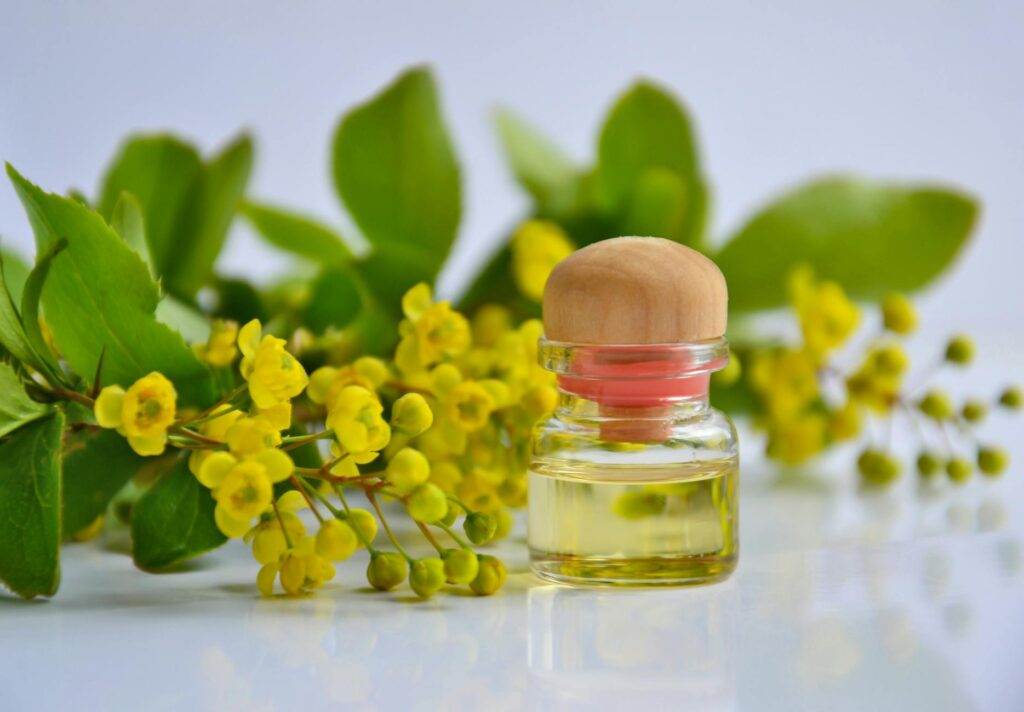
Health Benefits of Aromatherapy Blends for Seasonal Wellness
Introduction
Aromatherapy, the practice of using essential oils extracted from plants for therapeutic purposes, has gained popularity in recent years for its potential health benefits. Among its various applications, the use of aromatherapy blends specifically tailored for seasonal wellness is particularly intriguing. These blends can help individuals cope with the changing environment, emotional states, and physical challenges brought on by seasonal transitions. This article explores the concept of aromatherapy blends for seasonal wellness, their key benefits, common uses, applications, safety considerations, and storage guidelines.
What Are Aromatherapy Blends for Seasonal Wellness?
Aromatherapy blends for seasonal wellness are combinations of essential oils formulated to support the body and mind during specific times of the year. These blends typically take into account the unique challenges each season presents, such as allergies in spring, energy dips in winter, or skin issues in summer.
These blends may include a range of essential oils, each chosen for its specific properties and benefits. The art of blending involves understanding how different oils can complement one another, creating a synergistic effect that enhances their overall efficacy.
Key Benefits and Properties
Emotional Balance
Seasonal changes can significantly impact mood and emotional well-being. Aromatherapy blends can promote mental clarity, reduce anxiety, and uplift spirits. For example, citrus oils such as bergamot and sweet orange are known for their uplifting properties, making them ideal for combating winter blues.
Physical Support
Essential oils can also offer physical benefits, supporting the immune system, aiding digestion, or alleviating seasonal allergies. Eucalyptus and peppermint, for instance, can help clear respiratory pathways, making them useful during allergy season.
Skin Health
Different seasons can affect skin health due to changes in humidity, temperature, and sun exposure. Blends containing lavender and tea tree oil can provide soothing properties and help maintain skin health during summer or winter.
Enhanced Well-being
Aromatherapy blends can promote relaxation and improve sleep quality, which may be particularly beneficial during stressful seasonal transitions. Oils like chamomile and lavender are renowned for their calming effects.
Common Uses
Seasonal Transitions
Aromatherapy blends can be adapted for use during specific seasonal transitions. For example, a blend for spring might focus on energizing oils like lemon and rosemary, while a winter blend could include warming oils such as cinnamon and clove.
Daily Routine
Incorporating aromatherapy into daily routines can enhance overall quality of life. Diffusing seasonal blends in a workspace or home can create an inviting atmosphere, while topical application can offer localized benefits.
Bath and Body Care
Aromatherapy blends are often used in bath products, lotions, and massage oils. This allows for both topical benefits and inhalation of the oils, maximizing their effects on both body and mind.
Aromatherapy Applications
Diffusion
One of the most common methods of applying aromatherapy blends is through diffusion. Essential oils are dispersed into the air using a diffuser, allowing individuals to inhale the therapeutic properties. This method is particularly effective for uplifting moods or creating a calming environment.
Topical Application
Diluting essential oils in a carrier oil and applying them to the skin can provide localized benefits. It’s essential to ensure that the oils are appropriately diluted to avoid skin irritation. Common carrier oils include coconut oil, jojoba oil, and sweet almond oil.
Inhalation
Simply inhaling the aroma of essential oils can be effective. This can be done using a personal inhaler or by placing a few drops on a cotton ball. Inhalation can be particularly useful during allergy season or when experiencing respiratory discomfort.
Bathing
Adding essential oils to a warm bath can create a soothing experience that combines both inhalation and topical application. A few drops can be added to bathwater, or mixed into a carrier oil before being added.
Safety Considerations
While aromatherapy blends offer numerous benefits, it is important to approach their use with caution. Some essential oils can cause skin irritation or allergic reactions, particularly when used undiluted. To ensure safety:
1. Dilute Properly: Always dilute essential oils in a carrier oil before applying them to the skin. A general guideline is to use a 2% dilution rate, which equates to about 12 drops of essential oil per ounce of carrier oil.
2. Patch Test: Before using a new blend, conduct a patch test by applying a small amount to a discreet area of skin and monitoring for any adverse reactions.
3. Consultation: Individuals with underlying health conditions, pregnant women, or nursing mothers should consult a healthcare professional before using essential oils.
4. Avoid Certain Areas: Keep essential oils away from sensitive areas, such as the eyes and mucous membranes.
5. Storage: Proper storage of essential oils can prevent degradation and ensure their effectiveness.
Storage and Shelf Life
Essential oils should be stored in a cool, dark place to maintain their potency. Exposure to light, heat, and air can degrade the oils over time. Amber or cobalt glass bottles are ideal for storage, as they protect against UV light.
The shelf life of essential oils varies depending on the type of oil and its chemical composition. Generally, citrus oils have a shorter shelf life, while oils like sandalwood and patchouli can last several years if stored correctly. Always check for any changes in color, viscosity, or scent before using an oil that has been stored for an extended period.
Frequently Asked Questions
Can anyone use aromatherapy blends?
While many people can safely use aromatherapy blends, individuals with allergies, asthma, or skin sensitivities should exercise caution. Consulting with a healthcare professional is advisable for those with pre-existing conditions.
How do I choose the right blend for my needs?
Choosing the right blend often depends on personal preferences and specific seasonal challenges. Researching the properties of various essential oils and considering your current emotional and physical state can help guide your selection.
Are there any contraindications for specific essential oils?
Yes, some essential oils can interact with medications or may not be suitable for certain health conditions. For example, oils like wintergreen and eucalyptus should be used with caution in individuals on anticoagulant therapy.
Can I make my own aromatherapy blends?
Yes, creating your own blends can be a rewarding experience. Start by researching essential oil properties and experimenting with small quantities to find combinations that resonate with you.
How can I incorporate aromatherapy into my daily life?
Aromatherapy can easily be integrated into daily routines through methods like diffusion, topical application, or bath products. Consider using essential oils during relaxation practices, such as yoga or meditation, to enhance the experience.
Conclusion
Aromatherapy blends for seasonal wellness offer a holistic approach to navigating the various challenges that each season presents. By understanding the benefits, common uses, applications, and safety considerations, individuals can effectively harness the power of essential oils to enhance their overall well-being. Whether through emotional support, physical relief, or simply creating a pleasant environment, aromatherapy has much to offer in the ever-changing landscape of seasonal wellness.