
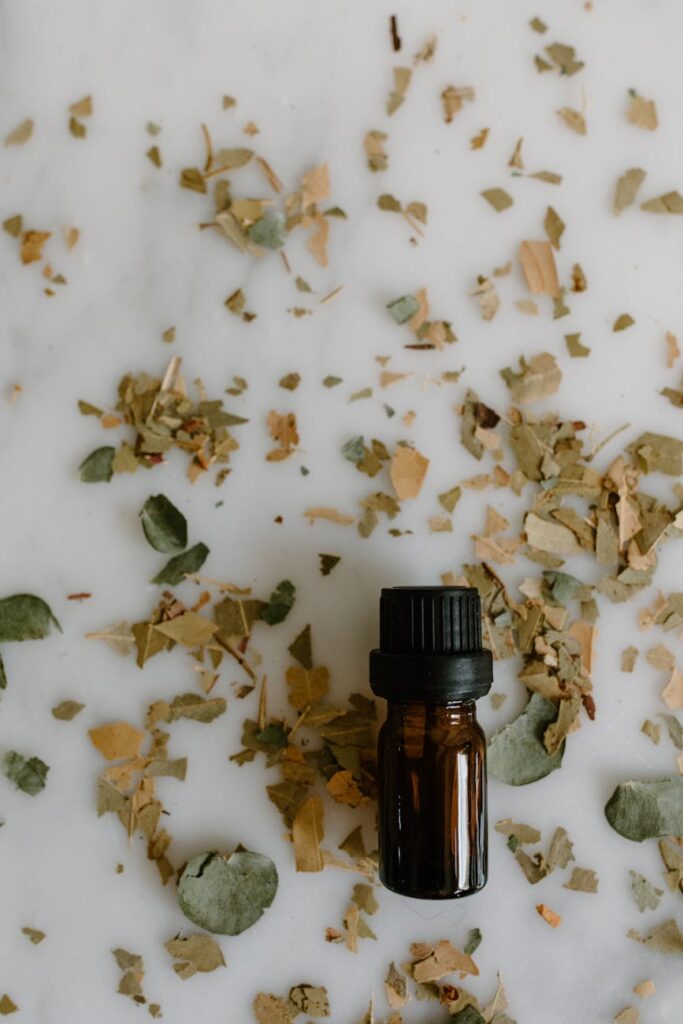
Health Benefits of Aromatherapy Blends for Sinus Relief
Introduction
Aromatherapy, a practice that harnesses the natural properties of essential oils, has gained recognition for its potential benefits in promoting overall well-being. Among its many applications, aromatherapy blends specifically designed for sinus relief have garnered attention for their soothing and invigorating qualities. This article explores what these blends are, their health benefits, common uses, and practical applications, while also addressing safety considerations and storage tips.
What Is Aromatherapy Blends for Sinus Relief?
Aromatherapy blends for sinus relief are combinations of essential oils that aim to alleviate symptoms associated with sinus congestion, such as pressure, discomfort, and inflammation. The essential oils used in these blends are derived from various plants and possess unique therapeutic properties. Popular oils often found in sinus relief blends include eucalyptus, peppermint, lavender, tea tree, and lemon. Each of these oils contributes to the overall efficacy of the blend, targeting sinus-related issues from different angles.
Key Benefits and Properties
The benefits of aromatherapy blends for sinus relief can be attributed to the unique properties of the essential oils used. Here are some key benefits associated with popular oils:
1. Eucalyptus Oil
Eucalyptus oil is known for its decongestant properties. Its primary component, eucalyptol, may help to open the airways and facilitate easier breathing. The oil also has antimicrobial properties, which can combat infections that contribute to sinus issues.
2. Peppermint Oil
Peppermint oil contains menthol, which can produce a cooling sensation that may alleviate discomfort and pressure in the sinuses. Its antispasmodic properties may also help to relax the muscles around the sinus cavities.
3. Lavender Oil
Lavender oil is renowned for its calming effects. It can help reduce stress and promote relaxation, which is beneficial when dealing with sinus discomfort. Additionally, its anti-inflammatory properties may aid in reducing swelling in the sinus passages.
4. Tea Tree Oil
Tea tree oil is celebrated for its antimicrobial and antifungal properties. It may help to clear out pathogens that can cause sinus infections and promote overall respiratory health.
5. Lemon Oil
Lemon oil is rich in antioxidants and has uplifting properties. It can help purify the air and may also provide relief from sinus pressure due to its anti-inflammatory effects.
Common Uses
Aromatherapy blends for sinus relief can be utilized in various ways to maximize their benefits. Some common uses include:
- Diffusion: Using an essential oil diffuser, individuals can disperse the aroma of the blend into the air, allowing for inhalation that may promote relaxation and relief from sinus discomfort.
- Inhalation: A simple and effective method involves adding a few drops of the blend to a bowl of hot water, covering the head with a towel, and inhaling the steam. This can help to open the nasal passages and provide immediate relief.
- Topical Application: Diluting essential oils in a carrier oil (such as coconut or jojoba oil) allows for safe application on the chest, neck, or sinus areas. This method can enhance the localized benefits of the oils.
- Baths: Adding a few drops of a sinus relief blend to a warm bath can provide a soothing experience while allowing for both inhalation and absorption through the skin.
- 5 drops of eucalyptus oil
- 4 drops of peppermint oil
- 3 drops of lavender oil
- 2 drops of tea tree oil
- 1 drop of lemon oil
- 2 tablespoons of carrier oil (e.g., jojoba or sweet almond oil)
- Dilution: Always dilute essential oils with a carrier oil before applying them topically. This helps to prevent skin irritation.
- Allergies and Sensitivities: Conduct a patch test on a small area of skin to check for any allergic reactions before widespread use.
- Pregnancy and Children: Some essential oils may not be suitable for pregnant individuals or young children. It’s essential to research and consult with a knowledgeable source if you have concerns.
- Medical Conditions: If you have respiratory conditions or are taking medications, consult a healthcare professional before using essential oils.
- Cool, Dark Place: Store essential oils in a cool, dark environment, away from direct light and heat, which can degrade the oils.
- Glass Containers: Use dark glass containers (such as amber or cobalt blue) to protect the oils from light exposure.
- Shelf Life: Essential oils generally have a long shelf life, ranging from 1 to 5 years, depending on the type of oil. Citrus oils tend to have a shorter shelf life, so it’s best to use them within 1-2 years.
Aromatherapy Applications
1. DIY Sinus Relief Blend
Creating a personalized aromatherapy blend for sinus relief can be both fulfilling and effective. Here’s a simple recipe to get started:
Ingredients:
Instructions:
1. Combine all essential oils in a small glass bottle.
2. Add the carrier oil and shake gently to mix.
3. Store in a cool, dark place.
2. Inhalation Method
For relieving sinus pressure, the inhalation method can be particularly effective. To do this:
1. Boil water in a pot.
2. Add 3-4 drops of the sinus relief blend.
3. Remove from heat and lean over the pot, covering your head with a towel to trap the steam.
4. Inhale deeply for several minutes.
3. Diffusion
For continuous relief, consider using an essential oil diffuser. Follow the manufacturer’s instructions for adding water and essential oils, typically around 3-5 drops of the sinus relief blend.
Safety Considerations
While aromatherapy can be a beneficial practice, certain precautions should be taken:
Storage and Shelf Life
Proper storage of essential oils is crucial to maintain their potency and quality. Here are some guidelines:
Frequently Asked Questions
1. Can aromatherapy blends completely cure sinus issues?
While aromatherapy blends can provide relief from symptoms, they should not be considered a substitute for professional medical treatment. They may complement other therapies but are not a cure-all.
2. How often can I use aromatherapy blends for sinus relief?
Frequency can vary based on individual preference and sensitivity. Generally, using the blends several times a day as needed can be beneficial, but it’s wise to listen to your body and adjust accordingly.
3. Are there any essential oils I should avoid for sinus relief?
Certain oils, such as clove and cinnamon, can be irritating to the mucous membranes and should be avoided in sinus applications. Always research oils and their properties before use.
4. Can I use essential oils if I have allergies?
Individuals with allergies should exercise caution. It’s advisable to consult with a healthcare provider to ensure that specific essential oils will not exacerbate any existing conditions.
5. Can children use aromatherapy blends for sinus relief?
While some essential oils can be safe for children, it is crucial to dilute them properly and consult with a healthcare professional for guidance on age-appropriate oils and methods.
Conclusion
Aromatherapy blends for sinus relief offer a natural approach to alleviating discomfort associated with sinus congestion. By understanding the benefits and properties of different essential oils, individuals can effectively incorporate these blends into their wellness routines. However, it is essential to approach their use with caution and awareness of individual sensitivities and health conditions. With proper application and storage, these aromatic solutions can provide a soothing complement to overall respiratory health.