
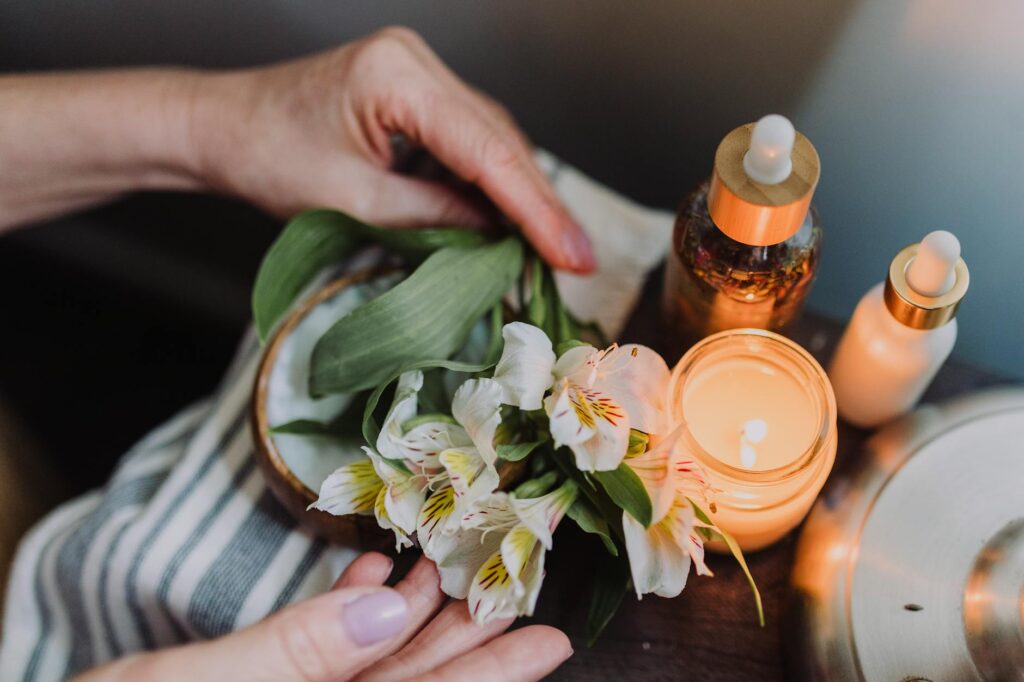
Health Benefits of Aromatherapy Blends for Skin Rejuvenation
Introduction
Aromatherapy, the practice of using essential oils for therapeutic purposes, has gained significant popularity in recent years, particularly in the realm of skin care. The combination of natural plant extracts and their unique aromatic properties can create synergistic blends that offer various benefits for skin rejuvenation. This article will explore what aromatherapy blends for skin rejuvenation are, their key benefits, common uses, and safety considerations, along with practical applications.
What Is Aromatherapy Blends for Skin Rejuvenation?
Aromatherapy blends for skin rejuvenation consist of a mixture of essential oils that are specifically formulated to enhance skin health and appearance. These blends typically incorporate essential oils derived from aromatic plants, each possessing distinct properties that can contribute to skin vitality. The synergistic effect of combining various oils can amplify their individual benefits, promoting a more youthful and radiant complexion.
Commonly used essential oils in skin rejuvenation blends include lavender, tea tree, rose, geranium, and frankincense. When used in conjunction with carrier oils, such as jojoba, sweet almond, or coconut oil, these essential oils can be safely applied to the skin to nourish, hydrate, and revitalize.
Key Benefits and Properties
The health benefits of aromatherapy blends for skin rejuvenation can be categorized into several key properties:
1. Hydration and Moisturization
Many essential oils possess emollient properties, which help to lock in moisture and keep the skin hydrated. Oils like jojoba and rosehip are excellent for preventing dryness and maintaining skin elasticity.
2. Anti-Aging Effects
Essential oils such as frankincense and myrrh are known for their ability to reduce the appearance of fine lines and wrinkles. They stimulate cell regeneration and improve skin tone, leading to a more youthful appearance.
3. Antimicrobial Properties
Some essential oils, like tea tree and lavender, exhibit antimicrobial effects, which can help to combat acne and other skin blemishes. Their natural antibacterial and antifungal properties make them effective in promoting clearer skin.
4. Soothing and Calming Effects
Essential oils such as chamomile and lavender can provide soothing relief for irritated or inflamed skin. Their calming properties can help to reduce redness and promote an even skin tone.
5. Enhancing Circulation
Certain oils, including rosemary and peppermint, can stimulate blood circulation in the skin. Improved circulation can lead to a healthier complexion, as it aids in the delivery of nutrients and oxygen to skin cells.
Common Uses
Aromatherapy blends for skin rejuvenation can be utilized in various ways, including:
1. Facial Oils
Diluting essential oils with a carrier oil allows for the creation of nourishing facial oils that can be massaged into the skin. These oils can target specific concerns, such as dryness, fine lines, or acne.
2. Body Butters and Creams
Aromatherapy blends can be incorporated into natural body butters and creams. These products not only provide hydration but also improve skin texture and overall appearance.
3. Bath Products
Adding a few drops of essential oils to bathwater can transform a regular bath into a rejuvenating experience. This method allows the skin to absorb the oils while also providing aromatherapeutic benefits.
4. Steam Treatments
Inhaling essential oils through steam treatments can enhance their effects. Adding a few drops of essential oil to a bowl of hot water and inhaling the steam can benefit both skin and respiratory health.
5. DIY Masks
Creating DIY facial masks using essential oils can provide concentrated benefits. Combining essential oils with natural ingredients like honey, yogurt, or clay can enhance their rejuvenating effects.
Aromatherapy Applications
1. Dilution Guidelines
Before applying any essential oil blend to the skin, it is crucial to dilute the oils with a carrier oil. A common guideline is to use a dilution ratio of 1-2 drops of essential oil per teaspoon of carrier oil for facial applications, while a higher dilution may be appropriate for body use.
2. Patch Testing
Conducting a patch test is essential to ensure that there is no allergic reaction to the blend. Apply a small amount of the diluted oil to a discreet area of the skin and wait 24 hours to observe any adverse reactions.
3. Application Techniques
- Massage: Gently massaging the blend into the skin can enhance absorption and stimulate circulation.
- Compress: Soaking a cloth in a diluted essential oil blend and applying it as a compress can provide targeted relief for specific areas of concern.
- Inhalation: Diffusing essential oils in a space can provide a relaxing atmosphere and enhance the overall experience.
Safety Considerations
While aromatherapy blends can offer numerous benefits, it is essential to observe safety precautions:
1. Consultation
Consulting a qualified aromatherapist or skincare professional is advisable, especially for individuals with sensitive skin or specific skin conditions.
2. Pregnancy and Nursing
Certain essential oils may not be safe for pregnant or nursing women. It is crucial to research and seek professional advice before using any essential oils during these periods.
3. Photosensitivity
Some essential oils, particularly citrus oils like bergamot and lemon, can cause photosensitivity. Avoid sun exposure after applying these oils to the skin.
4. Quality of Essential Oils
Using high-quality, pure essential oils is paramount. Look for oils that are organic and free from synthetic additives or fillers to ensure safety and effectiveness.
Storage and Shelf Life
Proper storage of essential oils and aromatherapy blends is essential to maintain their potency and effectiveness:
1. Storage Conditions
Store essential oils in a cool, dark place, away from direct sunlight and heat. Amber or cobalt glass bottles are ideal for protecting the oils from light degradation.
2. Shelf Life
The shelf life of essential oils can vary widely, ranging from 1 to 5 years, depending on the type of oil. Citrus oils generally have a shorter shelf life, while oils like patchouli and sandalwood can last longer. Always check for signs of spoilage, such as changes in color, scent, or viscosity.
Frequently Asked Questions
1. Can I use aromatherapy blends on sensitive skin?
It is advisable to conduct a patch test and dilute the oils properly. Individuals with sensitive skin may benefit from blends specifically formulated for their skin type.
2. How often should I use aromatherapy blends for skin rejuvenation?
Frequency of use can vary. Generally, using the blends once or twice daily is safe, but it is best to observe how your skin reacts and adjust accordingly.
3. Are there any essential oils to avoid for facial use?
Yes, some essential oils, such as cinnamon and oregano, may be too harsh for facial use. Always research and choose oils that are safe for your skin type.
4. Can I blend my own oils?
Absolutely! Blending your own essential oils can be a rewarding experience. Begin with a base of carrier oil and incorporate essential oils that align with your skin rejuvenation goals.
5. What is the best way to incorporate aromatherapy into my skincare routine?
Consider integrating aromatherapy blends into your existing skincare routine by using them as facial oils, in masks, or as part of your bath regimen for holistic benefits.
Conclusion
Aromatherapy blends for skin rejuvenation offer a natural and holistic approach to enhancing skin health. With a variety of essential oils available, individuals can tailor their blends to address specific skin concerns, while also enjoying the aromatic benefits of each oil. By understanding the properties, uses, and safety considerations, one can safely explore the world of aromatherapy to achieve a more vibrant and youthful complexion.