
Health Benefits of Aromatherapy Blends for Sleep Induction
Introduction
In a world where stress and anxiety often disrupt our natural sleep patterns, the pursuit of restful slumber has led many to explore alternative methods of relaxation. Aromatherapy, the practice of using essential oils derived from plants, has gained popularity for its potential to promote well-being. Among its many applications, aromatherapy blends designed for sleep induction are particularly sought after. This article delves into the nature of these blends, their benefits, and how to use them effectively.
What Is Aromatherapy Blends for Sleep Induction?
Aromatherapy blends for sleep induction are mixtures of essential oils specifically formulated to encourage relaxation and improve sleep quality. These blends typically combine various oils known for their calming properties, such as lavender, chamomile, and bergamot. The inhalation of these aromatic compounds can stimulate the olfactory system, sending signals to the brain that promote a sense of calm and tranquility.
Essential oils used in these blends are extracted from various parts of plants, including leaves, flowers, stems, and roots. The therapeutic benefits of these oils vary, and their effects can be enhanced when combined in specific ratios.
Key Benefits and Properties
Aromatherapy blends for sleep induction offer a range of potential benefits, including:
1. Promoting Relaxation
Many essential oils known for their relaxing properties can help reduce anxiety and stress, both of which are common barriers to restful sleep. Oils like lavender and ylang-ylang are frequently included in sleep blends because of their calming effects on the nervous system.
2. Enhancing Sleep Quality
Certain essential oils can enhance the quality of sleep by promoting deeper sleep cycles. Oils such as cedarwood and vetiver are believed to bolster slow-wave sleep, which is crucial for cognitive function and overall health.
3. Reducing Sleep Onset Latency
Aromatherapy may help shorten the time it takes to fall asleep. The inhalation of specific aromatic compounds can create a conducive environment for sleep, easing the transition from wakefulness to rest.
4. Alleviating Sleep Disorders
While not a substitute for professional treatment, certain aromatherapy blends may help alleviate mild sleep disorders or disturbances. They can be particularly useful for those experiencing occasional insomnia or restless nights.
5. Supporting Emotional Well-Being
Essential oils can also have a profound impact on emotional health. The soothing scents of particular oils can evoke feelings of comfort and security, which can be beneficial for individuals struggling with anxiety or stress-related sleep issues.
Common Uses
Aromatherapy blends for sleep induction can be utilized in various ways, including:
- Diffusion: Using an essential oil diffuser to disperse the blend into the air creates an aromatic environment conducive to relaxation.
- Topical Application: Diluting essential oils in a carrier oil and applying them to pulse points, such as wrists or temples, can provide localized benefits.
- Baths: Adding essential oil blends to a warm bath can enhance relaxation and create a calming atmosphere.
- Pillow Sprays: Spraying a blend onto pillows or bedding may help in promoting a restful sleeping environment.
- Container: Store essential oils in dark glass bottles to protect them from light. Avoid plastic containers, as they can interact with the oils.
- Temperature: Keep oils in a cool, dry place away from direct sunlight and heat sources. Excessive heat can degrade the oils.
- Shelf Life: Most essential oils have a shelf life of 1-3 years, but some oils can last longer. Citrus oils tend to have a shorter shelf life, while oils like sandalwood can last for years if stored properly.
Aromatherapy Applications
To maximize the benefits of aromatherapy blends for sleep induction, consider the following applications:
1. Diffusers
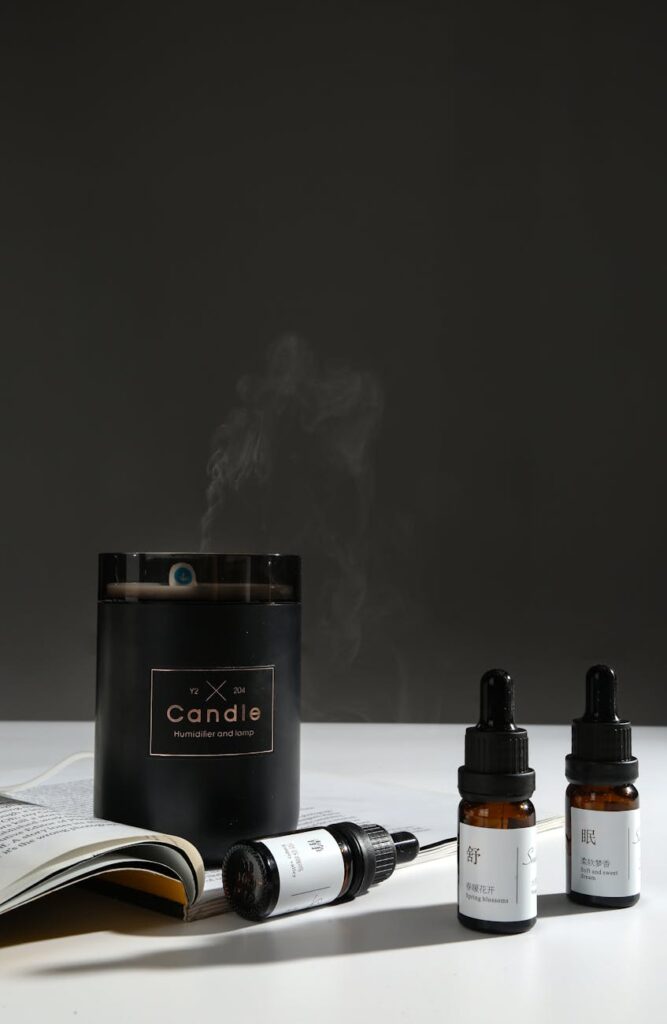
Essential oil diffusers are devices that disperse essential oils into the air. They come in various types, including ultrasonic and nebulizing diffusers. When using a diffuser, it is essential to follow the manufacturer’s guidelines regarding the amount of oil to use.
2. Massage Oils
Creating a sleep-inducing massage oil involves blending essential oils with a carrier oil, such as sweet almond or jojoba. A gentle massage, particularly on the back, neck, and shoulders, can enhance relaxation.
3. Sleep Masks
Infusing sleep masks with essential oils can provide a soothing aromatherapy experience during sleep. Simply placing a few drops of a sleep blend on the mask before use can enhance the sleep experience.
4. Inhalers
Personal inhalers allow for on-the-go aromatherapy. They are compact, easy to use, and can be filled with essential oil blends. Inhaling the scent directly can trigger immediate relaxation responses.
Safety Considerations
While aromatherapy is generally considered safe, several important considerations should be kept in mind:
1. Dilution
Essential oils should not be applied directly to the skin without proper dilution. Always combine them with a carrier oil to avoid irritation.
2. Allergies
Before using a new essential oil, perform a patch test to check for allergic reactions. Discontinue use if irritation occurs.
3. Pregnancy and Nursing
Certain essential oils may not be safe for pregnant or nursing women. It is advisable to consult with a knowledgeable practitioner before use in these circumstances.
4. Children and Pets
Some essential oils can be harmful to children and pets. Always research and exercise caution when using aromatherapy around them.
5. Quality of Essential Oils
Use high-quality, pure essential oils from reputable sources. Synthetic fragrances may not offer the same benefits and could contain harmful chemicals.
Storage and Shelf Life
Proper storage of essential oils is crucial for maintaining their efficacy. Here are some guidelines:
Frequently Asked Questions
1. How do I choose the right blend for sleep induction?
Choosing the right blend often depends on personal preferences and specific needs. Consider experimenting with different essential oils and blends to find what resonates with you.
2. Can aromatherapy replace sleep medication?
While aromatherapy can be a helpful tool for promoting relaxation and enhancing sleep quality, it should not be considered a replacement for prescribed sleep medication. Consult with a healthcare professional for guidance.
3. How long before bed should I use aromatherapy?
Using aromatherapy about 30 minutes before bedtime can help create a calming atmosphere, aiding in the transition to sleep.
4. Are there any essential oils to avoid for sleep?
Some stimulating oils, such as peppermint and eucalyptus, may be better suited for daytime use rather than bedtime. It is advisable to focus on calming oils when preparing for sleep.
5. How can I make my own sleep blend at home?
To create a simple sleep blend, combine a few drops of calming essential oils like lavender, chamomile, and cedarwood with a carrier oil. Experiment with ratios to find the scent that works best for you.
Conclusion
Aromatherapy blends for sleep induction offer an intriguing approach to enhancing sleep quality and promoting relaxation. By understanding the properties of various essential oils and their applications, individuals can create a personalized aromatherapy experience that caters to their unique needs. While aromatherapy is not a substitute for professional medical advice, it can serve as a valuable complement to traditional methods for achieving restful and restorative sleep.