
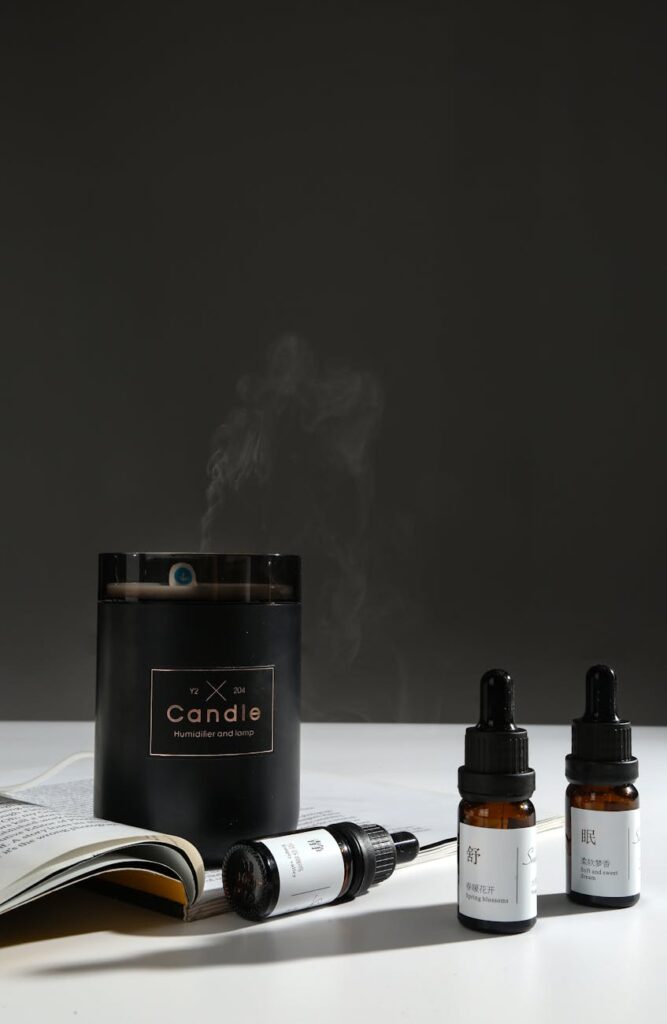
Health Benefits of Aromatherapy Blends for Sleep Quality Enhancement
Introduction
Sleep is a fundamental aspect of human well-being, playing a vital role in physical health, emotional stability, and cognitive function. With the increasing prevalence of sleep disorders and the stresses of modern life, many individuals are seeking natural remedies to improve their sleep quality. Aromatherapy, the practice of using essential oils for therapeutic purposes, has gained popularity as a complementary approach to enhancing sleep. This article explores the concept of aromatherapy blends specifically tailored for sleep quality enhancement, examining their benefits, common uses, applications, and safety considerations.
What Is Aromatherapy Blends for Sleep Quality Enhancement?
Aromatherapy blends for sleep quality enhancement involve the use of specific essential oils that are believed to promote relaxation, reduce anxiety, and improve overall sleep quality. These blends can be created by combining various essential oils, each with its unique properties and scents, to target sleep-related issues.
Common essential oils used in sleep blends include lavender, chamomile, bergamot, and sandalwood, among others. When inhaled or absorbed through the skin, these oils are thought to interact with the olfactory system and the brain, potentially influencing mood and physiological responses.
Key Benefits and Properties
1. Promotes Relaxation
Many essential oils used in sleep blends possess calming properties that can help to alleviate stress and anxiety. For instance, lavender oil has been widely studied for its ability to induce relaxation and decrease feelings of tension.
2. Enhances Sleep Quality
Certain essential oils have been reported to improve sleep quality by promoting deeper, more restorative sleep cycles. Oils such as chamomile and cedarwood are known for their sedative effects, which may help users achieve longer periods of uninterrupted sleep.
3. Reduces Insomnia Symptoms
Some studies suggest that specific essential oils may assist in reducing the symptoms of insomnia. Bergamot, for example, has been shown to lower cortisol levels, potentially making it easier to fall asleep.
4. Supports Mental Clarity
Quality sleep is essential for cognitive function. Aromatherapy blends can help facilitate a restful night, which in turn supports mental clarity, focus, and overall brain health.
5. Improves Mood
Certain oils may contribute to improved emotional well-being. By addressing stress and anxiety, aromatherapy can foster a more positive mindset, which is crucial for a restful night’s sleep.
Common Uses
Aromatherapy blends for sleep quality enhancement can be used in various ways, including:
- Diffusion: Using an essential oil diffuser to disperse the aroma throughout a room.
- Topical Application: Diluting essential oils in a carrier oil and applying them to pulse points, such as wrists or behind the ears.
- Bathing: Adding a few drops of essential oils to a warm bath can create a soothing atmosphere conducive to relaxation.
- Sleep Sprays: Creating a pillow or room spray with essential oils can help establish a calming sleep environment.
- Inhalation: Simply inhaling the scent from a bottle or cotton ball can provide immediate relaxation.
- Massage: Incorporating blends into a massage oil can enhance the relaxation experience through touch as well as smell.
- Bath Soaks: A warm bath infused with essential oils can help unwind the body and mind before sleep.
- Containers: Store essential oils in dark glass bottles to protect them from light and degradation.
- Temperature: Keep oils in a cool, dry place away from direct sunlight and heat sources.
- Shelf Life: While many essential oils have a shelf life of 1-3 years, some oils may last longer. Always check for any signs of spoilage, such as changes in color or scent.
Aromatherapy Applications
Blending Essential Oils
To create effective aromatherapy blends, it is essential to understand the properties of various essential oils. Below are some suggested combinations that may promote sleep quality:
1. Lavender and Bergamot: This blend combines the calming effects of lavender with the mood-lifting properties of bergamot, making it ideal for those dealing with anxiety before bedtime.
2. Chamomile and Ylang Ylang: Both oils have soothing qualities that can help ease tension, making this blend perfect for a calming bedtime ritual.
3. Cedarwood and Frankincense: Cedarwood’s grounding scent pairs well with frankincense, which is known for its meditative qualities, promoting a serene atmosphere for sleep.
4. Sandalwood and Orange: The warm, woody notes of sandalwood combined with the uplifting scent of orange may create a comforting environment, encouraging relaxation.
Methods of Application
Safety Considerations
While aromatherapy is generally considered safe, there are important safety considerations to keep in mind:
1. Dilution: Essential oils should be diluted in a carrier oil when applying topically. A common dilution ratio is 2-3 drops of essential oil per teaspoon of carrier oil.
2. Allergies and Sensitivities: It is essential to conduct a patch test before using a new essential oil to check for any allergic reactions or sensitivities.
3. Pregnancy and Medical Conditions: Pregnant individuals or those with specific medical conditions should consult a healthcare professional before using essential oils.
4. Children and Pets: Certain essential oils can be toxic to children and pets. It is crucial to research the safety of individual oils when used in households with these vulnerable groups.
Storage and Shelf Life
Proper storage of essential oils is crucial for maintaining their potency and effectiveness. Here are some guidelines:
Frequently Asked Questions
1. How long does it take for aromatherapy to work?
The effects of aromatherapy can vary depending on the individual and the method of application. Some people may experience immediate relaxation, while others may require consistent use over a few days or weeks to notice significant changes in sleep quality.
2. Can I use multiple essential oils in one blend?
Yes, combining various essential oils can enhance the therapeutic effects and create a more complex aroma. However, it is advisable to research the properties of each oil to ensure they complement one another.
3. Are there any essential oils to avoid for sleep?
Some oils, such as stimulating citrus oils (like lemon or grapefruit), may not be suitable for promoting sleep, as they can energize rather than relax. It is best to focus on calming oils.
4. Is aromatherapy safe for children?
While some essential oils can be safe for children, others are not recommended. It is essential to consult reputable sources or a healthcare professional when using essential oils around children.
5. Can aromatherapy replace sleep medications?
Aromatherapy is intended as a complementary approach rather than a substitute for medical treatments. Individuals experiencing chronic sleep issues should consult a healthcare professional for appropriate guidance.
Conclusion
Aromatherapy blends for sleep quality enhancement offer a natural and holistic approach to promoting relaxation and improving sleep. By understanding the properties of various essential oils and their applications, individuals can create personalized blends that cater to their specific needs. While aromatherapy can be a valuable tool for enhancing sleep quality, it is essential to consider safety guidelines and the unique responses of each individual. As interest in natural wellness continues to grow, aromatherapy remains a compelling option for those seeking to improve their sleep through the healing power of scent.