
Health Benefits of Aromatherapy Blends for Sleep Support
Introduction
In an increasingly fast-paced world, many individuals struggle with sleep-related issues. The quest for restful slumber often leads to exploring various remedies, and aromatherapy has emerged as a popular, holistic approach. By harnessing the therapeutic properties of essential oils, aromatherapy blends for sleep support aim to create a calming environment conducive to relaxation and restful sleep. This article explores the concept of aromatherapy blends for sleep support, their benefits, applications, and important considerations for safe use.
What Is Aromatherapy Blends for Sleep Support?
Aromatherapy is a practice that utilizes essential oils—concentrated extracts derived from plants—to promote physical and emotional well-being. Aromatherapy blends specifically designed for sleep support combine various essential oils known for their calming, sedative, and relaxing properties. These blends can vary widely, incorporating oils from flowers, leaves, bark, and roots.
The combination of essential oils is tailored to enhance the synergistic effects of the individual oils, leading to a more profound impact on mood, stress levels, and overall sleep quality. Common essential oils used in sleep blends include lavender, chamomile, bergamot, and ylang-ylang, each chosen for its unique properties.
Key Benefits and Properties
Aromatherapy blends for sleep support offer a range of potential benefits. Some key properties and advantages include:
1. Promotes Relaxation
Many essential oils in sleep blends possess calming properties. For instance, lavender is widely recognized for its ability to reduce anxiety and create a tranquil atmosphere. This relaxation can help ease the transition into sleep.
2. Reduces Stress and Anxiety
Essential oils like bergamot and chamomile may help alleviate feelings of stress and anxiety. The soothing scents can influence the limbic system, which plays a crucial role in regulating emotions.
3. Enhances Sleep Quality
Certain blends can also enhance the quality of sleep. Oils with sedative properties may help individuals fall asleep faster and experience deeper, more restorative sleep.
4. Balances Mood
Aromatherapy blends can have a positive impact on mood. For example, ylang-ylang may promote a sense of well-being, which can contribute to a more restful night’s sleep.
5. Supports Respiratory Health
Some essential oils, such as eucalyptus, can help clear the airways, promoting easier breathing during sleep. This can be especially beneficial for individuals who suffer from allergies or respiratory issues.
Common Uses
Aromatherapy blends for sleep support can be used in various ways, making them versatile tools for promoting relaxation. Common applications include:
1. Diffusion
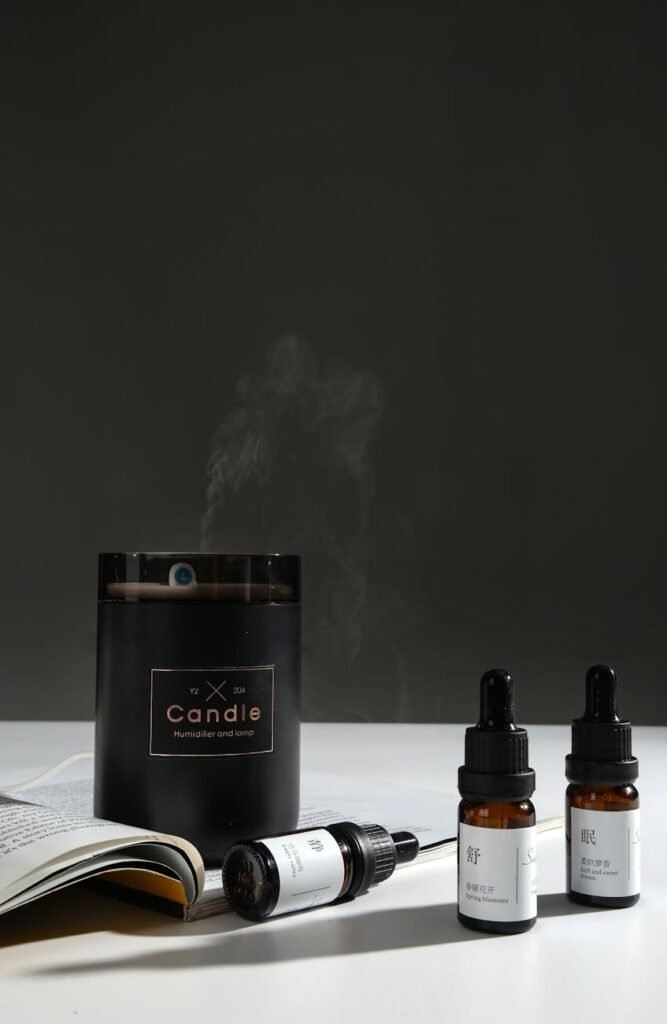
Using an essential oil diffuser is one of the most popular methods. By adding a few drops of a sleep blend to water in a diffuser, the oils are vaporized and distributed into the air, creating a soothing environment.
2. Inhalation
Direct inhalation of essential oils can also be effective. A few drops of the blend can be placed on a cotton ball or tissue and inhaled before bedtime.
3. Topical Application
Diluting essential oils with a carrier oil (like coconut or jojoba oil) allows for safe topical application. Massaging the blend onto pulse points, such as wrists or temples, can enhance relaxation.
4. Bath Soaks
Incorporating essential oils into a warm bath can create a calming ritual. Adding a few drops of a sleep blend to bathwater can enhance the overall experience of relaxation.
5. Sleep Pillows
Creating a sleep pillow by adding a few drops of essential oils to a cotton ball and placing it inside a small cloth pouch can provide a gentle aroma throughout the night.
Aromatherapy Applications
Integrating aromatherapy blends into a nightly routine can be a simple yet effective way to promote better sleep. Here are some practical applications:
Evening Ritual
Establishing a calming evening routine can signal to the body that it is time to wind down. This may include dimming lights, engaging in quiet activities, and diffusing a sleep blend during the hour leading up to bedtime.
Meditation and Mindfulness
Incorporating aromatherapy into meditation practices can deepen relaxation. Using a sleep blend while meditating can enhance the sensory experience and help clear the mind.
Sleep Environment
Creating a sleep-friendly environment is crucial. Using aromatherapy blends in conjunction with other sleep hygiene practices—such as maintaining a cool, dark, and quiet room—can optimize the sleep experience.
Safety Considerations
While aromatherapy blends can offer numerous benefits, it is essential to consider safety precautions:
1. Skin Sensitivity
Essential oils are highly concentrated and can cause skin irritation if applied undiluted. Always dilute oils in a carrier oil before topical application.
2. Allergies
Individuals should perform a patch test before using new essential oils to check for allergies or sensitivities. If irritation occurs, discontinue use immediately.
3. Pregnancy and Nursing
Certain essential oils should be avoided during pregnancy and breastfeeding. It is advisable to consult a healthcare professional before using any aromatherapy blends in these situations.
4. Children and Pets
Some essential oils may not be safe for use around children or pets. Research is essential to ensure the selected oils are safe for all household members.
5. Quality of Essential Oils
Choosing high-quality, pure essential oils from reputable sources is crucial for safety and efficacy. Synthetic or adulterated oils may not provide the desired benefits and can pose health risks.
Storage and Shelf Life
Proper storage of essential oils is critical to maintain their potency and effectiveness. Here are some tips for storing aromatherapy blends:
1. Cool, Dark Place
Store essential oils in a cool, dark place, away from direct sunlight and heat. A cabinet or drawer is ideal.
2. Sealed Containers
Keep oils in tightly sealed containers to prevent oxidation and evaporation. Dark glass bottles are preferable, as they protect the oils from light.
3. Shelf Life
The shelf life of essential oils varies. Generally, citrus oils have a shorter shelf life (1-2 years), while oils like sandalwood or patchouli can last up to 5 years or more. Regularly check oils for any changes in scent or appearance.
Frequently Asked Questions
1. How do I choose the right blend for sleep?
Selecting a blend often depends on individual preferences and responses to specific scents. Experiment with different combinations to find one that resonates with you.
2. Can I mix my own sleep blend?
Yes, creating your own blend can be a rewarding experience. Start with a base oil like lavender and add other oils that you find calming, such as chamomile or bergamot.
3. How long does it take for aromatherapy to work?
The effects of aromatherapy can vary. Some individuals may notice immediate results, while others may require consistent use over time to experience significant benefits.
4. Are there any side effects?
While generally safe, some individuals may experience allergic reactions or skin irritation. Always perform a patch test and consult a healthcare provider if you have concerns.
5. Can I use aromatherapy with other sleep aids?
Aromatherapy can be complementary to other sleep aids, including herbal supplements or relaxation techniques. However, consult a healthcare professional for personalized guidance.
Conclusion
Aromatherapy blends for sleep support offer a natural and holistic approach to enhancing sleep quality. By utilizing the therapeutic properties of essential oils, these blends can promote relaxation, reduce stress, and create an environment conducive to restful slumber. With careful consideration of safety and proper application techniques, individuals can incorporate aromatherapy into their nightly rituals, paving the way for improved sleep and overall well-being.