
Health Benefits of Aromatherapy Blends for Stress Reduction
Introduction
In today’s fast-paced world, stress has become an almost ubiquitous part of daily life. As individuals seek natural methods to manage stress, aromatherapy has emerged as a popular and effective option. The use of essential oils in aromatherapy blends offers a holistic approach to promoting relaxation and emotional well-being. This article delves into the health benefits of aromatherapy blends specifically formulated for stress reduction, exploring their properties, applications, and safety considerations.
What Are Aromatherapy Blends for Stress Reduction?
Aromatherapy blends are combinations of essential oils designed to achieve specific therapeutic effects. When used for stress reduction, these blends typically incorporate oils known for their calming and soothing properties. Essential oils are extracted from various parts of plants, including flowers, leaves, roots, and bark, capturing the plant’s essence and therapeutic qualities.
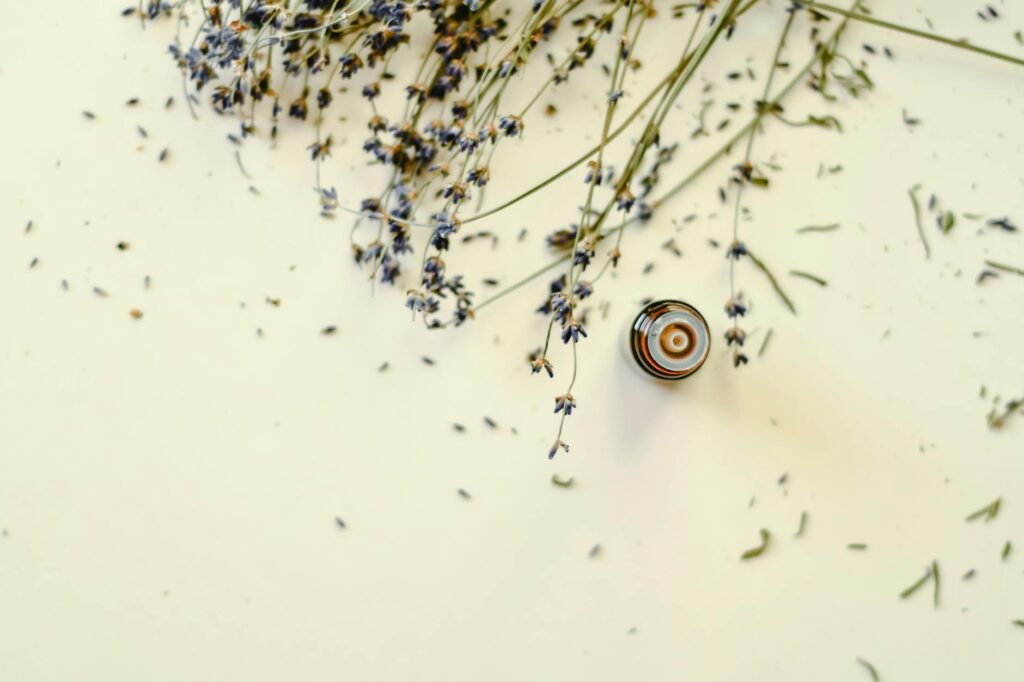
Common essential oils used in stress-reducing blends include lavender, chamomile, bergamot, and ylang-ylang. When combined thoughtfully, these oils can enhance each other’s effects, creating a potent remedy for stress and anxiety.
Key Benefits and Properties
1. Calming Effects
Many essential oils possess natural calming properties that can help alleviate feelings of anxiety and promote relaxation. For example, lavender essential oil is widely recognized for its ability to reduce stress and improve sleep quality. Studies have shown that inhaling lavender can lower heart rate and blood pressure, both of which are physiological responses to stress.
2. Mood Enhancement
Certain essential oils, such as bergamot and sweet orange, contain compounds that may elevate mood and promote feelings of happiness. These oils can work on the limbic system—the part of the brain involved in emotion regulation—helping to balance mood and reduce feelings of stress.
3. Mindfulness and Grounding
Aromatherapy can serve as a tool for mindfulness practices. The scents of essential oils can anchor individuals in the present moment, making it easier to let go of racing thoughts and anxiety. Incorporating aromatherapy into meditation or breathing exercises can enhance the overall experience, promoting deeper relaxation.
4. Enhanced Sleep Quality
Stress often disrupts sleep patterns, leading to a vicious cycle of anxiety and fatigue. Certain essential oils, particularly those with sedative properties like chamomile and valerian, may support better sleep quality when used in aromatherapy blends. Improved sleep can, in turn, contribute to reduced stress levels.
5. Physical Relaxation
The inhalation of calming essential oils can also lead to physical relaxation. Some oils, such as marjoram and cedarwood, have muscle-relaxing properties, making them useful in blends aimed at relieving physical tension associated with stress.
Common Uses
1. Diffusion
One of the most popular methods of using aromatherapy blends is through diffusion. Essential oils can be added to a diffuser, allowing the scent to disperse throughout a room. This method not only creates a pleasant ambiance but also fills the space with calming aromas that can help reduce stress.
2. Topical Application
Aromatherapy blends can also be applied topically when diluted with a carrier oil, such as jojoba or sweet almond oil. This method allows for direct skin absorption, which can enhance the calming effects. Common areas for application include pulse points (wrists, neck) and areas of tension (shoulders, back).
3. Bath Soaks
Adding aromatherapy blends to a warm bath can create a soothing experience that promotes relaxation. The combination of warm water and essential oils can help alleviate stress, allowing for a tranquil retreat at the end of a long day.
4. Inhalation
For immediate stress relief, direct inhalation of essential oils can be effective. A few drops can be placed on a tissue or in the palm of the hands, followed by deep inhalation. This method is particularly useful during stressful situations, such as before a presentation or while facing a challenging task.
Aromatherapy Applications
1. Personal Blends
Creating personalized aromatherapy blends can enhance the experience of stress reduction. Individuals can experiment with different combinations of essential oils to find what resonates most effectively with them. For example, a blend of lavender, bergamot, and frankincense may create a deeply calming effect tailored to personal preferences.
2. Pre-Made Blends
Many commercial products are available that feature pre-made aromatherapy blends for stress relief. These products often combine popular stress-reducing oils and can be a convenient option for those new to aromatherapy.
3. In Wellness Practices
Aromatherapy can be integrated into various wellness practices, including yoga and massage therapy. In these settings, essential oils can enhance the overall experience, promoting relaxation and mindfulness.
Safety Considerations
While aromatherapy is generally considered safe, it is essential to approach its use with care:
1. Skin Sensitivity
Some essential oils can cause skin irritation or allergic reactions. It is advisable to conduct a patch test before applying a new blend directly to the skin. Diluting essential oils with a carrier oil can also minimize the risk of irritation.
2. Pregnancy and Medical Conditions
Certain essential oils are not recommended during pregnancy or for individuals with specific health conditions. It is crucial to research each oil and consult with a knowledgeable professional if there are any concerns.
3. Quality of Essential Oils
Not all essential oils are created equal. Choosing high-quality, pure essential oils from reputable sources is vital for safety and effectiveness. Look for oils labeled as 100% pure, and avoid synthetic fragrances.
Storage and Shelf Life
Proper storage of essential oils is essential for maintaining their effectiveness:
1. Storage Conditions
Essential oils should be stored in dark glass bottles, away from direct sunlight and heat sources. A cool, dark cupboard is ideal.
2. Shelf Life
The shelf life of essential oils can vary depending on the type of oil and storage conditions. Generally, citrus oils have a shorter shelf life (about 1-2 years), while woody oils (like cedarwood) can last longer (up to 5 years or more). It is advisable to check for changes in color or scent before use.
Frequently Asked Questions
1. Can aromatherapy blends replace professional treatment for stress?
Aromatherapy can be a valuable complementary approach to stress management but should not replace professional medical treatment. It is essential to seek guidance from a qualified healthcare provider for significant stress-related issues.
2. How often can I use aromatherapy blends for stress reduction?
Aromatherapy blends can be used daily, depending on personal preference and individual reactions. It is advisable to monitor how you respond and adjust usage accordingly.
3. Are there specific essential oils I should avoid?
While many essential oils are safe for general use, some should be avoided by pregnant individuals or those with specific health conditions. Always conduct thorough research or consult a healthcare professional if uncertain.
4. Is it safe to mix different essential oils?
Yes, blending different essential oils is common in aromatherapy. However, it is essential to understand the properties of each oil and how they may interact. Start with small amounts and test for reactions.
5. Where can I purchase high-quality essential oils?
High-quality essential oils can be found in health food stores, specialty shops, or reputable online retailers. Look for brands that provide information on sourcing and purity.
Conclusion
Aromatherapy blends for stress reduction offer a natural, holistic approach to managing stress and promoting emotional well-being. With a variety of essential oils available, individuals can create personalized blends or utilize pre-made options to find relief from everyday stressors. While aromatherapy can provide significant benefits, it is essential to approach its use with care, considering safety and quality to maximize its effectiveness. As awareness of stress management grows, aromatherapy continues to be a valuable tool in the quest for balance and relaxation in an increasingly hectic world.