
Health Benefits of Aromatherapy for Compassion and Empathy Blends
Introduction
Aromatherapy, a practice that employs the therapeutic use of essential oils, has gained popularity for its potential to enhance emotional and physical well-being. Among the various applications of aromatherapy, blends specifically targeting compassion and empathy have garnered attention. These blends aim to foster emotional connections, promote understanding, and create a nurturing atmosphere for both personal growth and interpersonal relationships. This article explores the nature of compassion and empathy blends in aromatherapy, their key benefits, common uses, and much more.
What Is Aromatherapy for Compassion and Empathy Blends?
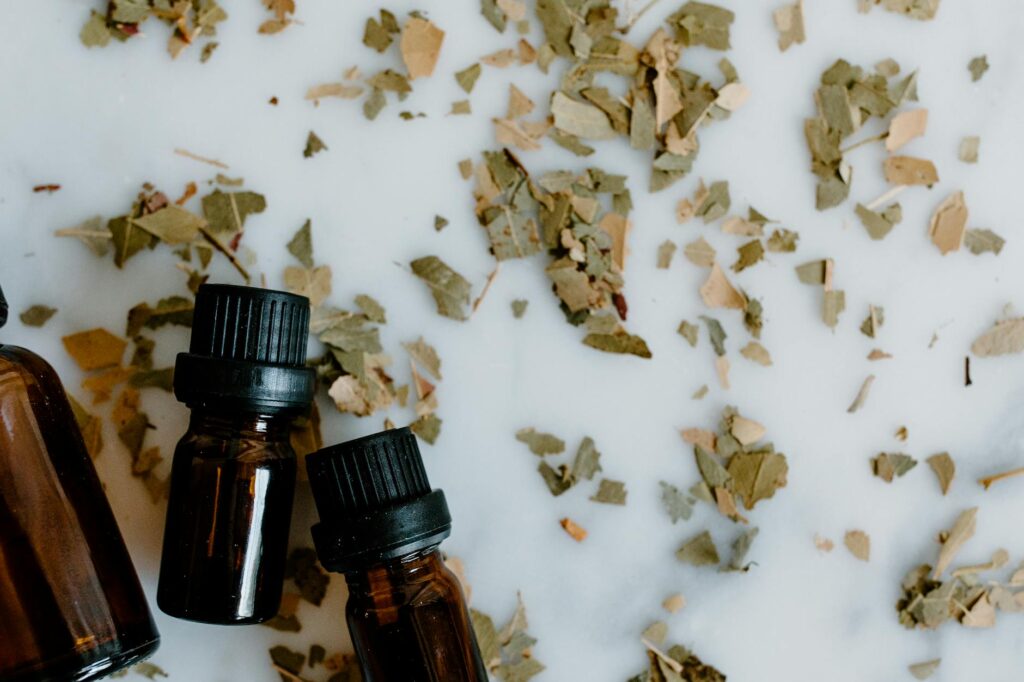
Aromatherapy for compassion and empathy blends involves the combination of essential oils that are believed to promote feelings of kindness, understanding, and emotional balance. Essential oils are concentrated extracts derived from plants, each possessing unique properties that can influence mood and emotional state.
Compassion and empathy blends typically feature oils that are known for their calming and uplifting qualities. These blends may include oils such as lavender, chamomile, bergamot, and frankincense, among others. When combined thoughtfully, these oils can create a synergistic effect, enhancing their individual benefits and providing a holistic approach to emotional well-being.
Key Benefits and Properties
1. Emotional Balance
Essential oils used in compassion and empathy blends are often chosen for their ability to promote emotional stability. Oils like lavender and chamomile are well-known for their calming effects, which can help alleviate feelings of anxiety and stress. This emotional balance creates a fertile ground for compassion and understanding to flourish.
2. Enhanced Communication
Certain essential oils, such as bergamot and ylang-ylang, are believed to open the heart chakra, which may facilitate better communication. Improved emotional expression can lead to deeper connections and better understanding among individuals.
3. Stress Relief
Stress can be a significant barrier to empathy and compassion. Essential oils like frankincense and vetiver are often included in these blends for their grounding properties, which can help reduce stress levels and create a more peaceful state of mind.
4. Mood Elevation
Many oils used in compassion and empathy blends possess uplifting properties. Citrus oils, such as sweet orange and lemon, can invigorate the senses and enhance mood. These oils may help create a positive atmosphere conducive to fostering compassion and empathy.
5. Support for Self-Compassion
Self-compassion is a vital aspect of emotional health. Essential oils like geranium and rose can promote feelings of self-love and acceptance, making it easier for individuals to extend compassion to others.
Common Uses
Compassion and empathy blends can be employed in various settings and situations. Here are some common uses:
1. Personal Meditation
Incorporating these blends into personal meditation practices can enhance emotional awareness and cultivate a sense of inner peace. Diffusing oils during meditation can create an environment conducive to introspection and self-reflection.
2. Group Settings
Whether in therapy sessions, workshops, or team-building activities, compassion and empathy blends can be diffused or applied topically to encourage openness and understanding among participants.
3. Home Environment
Using compassion and empathy blends in the home can foster a nurturing atmosphere. Diffusing these oils during family gatherings or shared meals can enhance communication and strengthen relationships.
4. Workplace
Incorporating these blends into the workplace can improve team dynamics and reduce stress, making for a more harmonious and productive environment.
Aromatherapy Applications
Aromatherapy for compassion and empathy blends can be applied in several methods:
1. Diffusion
Using an essential oil diffuser is one of the most popular methods for dispersing aromatic compounds into the air. Simply add a few drops of the chosen blend to the diffuser with water and let it run in the desired space.
2. Topical Application
Blending essential oils with a carrier oil (such as jojoba or sweet almond oil) allows for topical application. This method is beneficial for localized support, such as applying to pulse points or the chest area to promote emotional well-being.
3. Inhalation
Direct inhalation of essential oils can also be effective. Placing a few drops of the blend on a cotton ball or using an inhaler can provide immediate emotional support.
4. Bathing
Adding essential oils to a warm bath can create a soothing and relaxing experience. Mixing the oils with Epsom salts or a carrier oil before adding them to the bathwater can enhance the benefits.
Safety Considerations
While aromatherapy is considered safe for most individuals, there are several important safety considerations to keep in mind:
1. Dilution
Essential oils are highly concentrated and should always be diluted before topical application. A general guideline is to use a 2-3% dilution, which equates to about 10-15 drops of essential oil per ounce of carrier oil.
2. Skin Sensitivity
Before applying a new essential oil blend to the skin, conduct a patch test to check for potential allergic reactions. Apply a small amount of diluted oil to a discreet area and observe for 24 hours.
3. Pregnant or Nursing Individuals
Pregnant or nursing individuals should consult a healthcare professional before using essential oils, as some oils may not be safe during these times.
4. Children and Pets
Certain essential oils can be toxic to children and pets. It is essential to research the safety of individual oils and consult with a professional when considering their use around vulnerable populations.
Storage and Shelf Life
Proper storage is crucial for maintaining the integrity of essential oils. Here are some tips for ensuring their longevity:
1. Dark Glass Bottles
Store essential oils in dark glass bottles to protect them from light, which can degrade their quality over time.
2. Cool, Dry Place
Keep essential oils in a cool, dry place, away from direct sunlight and heat sources. A dedicated cabinet or drawer is often ideal.
3. Shelf Life
Most essential oils have a shelf life of 1-3 years, depending on the type of oil. Citrus oils tend to have a shorter shelf life compared to more resinous oils like frankincense. Regularly check for any changes in aroma or consistency to determine if the oils are still viable.
Frequently Asked Questions
1. Can anyone use aromatherapy for compassion and empathy blends?
Generally, most individuals can benefit from aromatherapy. However, those with specific health concerns or sensitivities should consult with a healthcare professional before use.
2. How do I choose the right blend for me?
Choosing the right blend can be a personal experience. Consider what emotions you wish to cultivate and explore different blends that resonate with you. Experimenting with various oils can also help you discover your favorites.
3. How often should I use these blends?
The frequency of use can vary based on individual preferences and needs. Many people find daily use beneficial, while others may prefer to use them during specific situations or times of stress.
4. Are there any contraindications for using essential oils?
Yes, certain essential oils may have contraindications, especially for individuals with specific health conditions or those who are pregnant or nursing. Always conduct thorough research and consult with a professional when in doubt.
Conclusion
Aromatherapy for compassion and empathy blends offers a holistic approach to enhancing emotional well-being and fostering interpersonal connections. By understanding the key benefits, common uses, and safety considerations, individuals can effectively incorporate these soothing blends into their daily lives. Whether used for personal meditation, in group settings, or to create a nurturing home environment, the potential of these essential oil blends to promote compassion and empathy is both profound and accessible. As you explore the world of aromatherapy, may your journey lead you to deeper connections with yourself and those around you.