
Health Benefits of Aromatherapy for Digestive Health Blends
Introduction
Aromatherapy, the practice of using essential oils extracted from plants for therapeutic purposes, has been embraced worldwide for its diverse health benefits. Among its many applications, aromatherapy for digestive health blends offers a natural approach to supporting digestive wellness. This article explores the principles of aromatherapy in relation to digestive health, the key benefits of specific essential oils, and practical applications to enhance well-being.
What Is Aromatherapy for Digestive Health Blends?
Aromatherapy for digestive health blends involves the use of specific essential oils known for their properties that can aid in digestion and alleviate digestive discomfort. These blends can be inhaled, diffused, or applied topically to provide relief from various digestive issues. Common concerns addressed by these blends include bloating, gas, nausea, and indigestion. The essential oils used in these blends are carefully selected for their unique characteristics and therapeutic properties.
Key Benefits and Properties
1. Carminative Effects
Many essential oils, such as peppermint and fennel, possess carminative properties, which help to relieve gas and bloating. These oils encourage the expulsion of gas and soothe the digestive tract.
2. Antispasmodic Properties
Essential oils like chamomile and ginger have antispasmodic effects that can help to relax the muscles of the gastrointestinal tract. This relaxation can provide relief from cramping and discomfort.
3. Stimulation of Digestion
Certain oils, such as citrus oils (e.g., lemon and grapefruit), can stimulate digestive processes. They encourage the production of digestive enzymes and bile, aiding in the breakdown of food.
4. Anti-inflammatory Effects
Inflammation in the digestive tract can lead to various issues. Essential oils like lavender and rosemary have anti-inflammatory properties, which can help soothe irritation and promote digestive health.
5. Nausea Relief
Ginger and peppermint essential oils are widely known for their ability to alleviate nausea and motion sickness. Their soothing aromas can help settle the stomach and provide comfort.
Common Uses
Aromatherapy for digestive health can be incorporated into daily routines in various ways. Here are some common uses:
1. Diffusion
Using a diffuser, essential oils can be dispersed into the air, allowing their aromas to be inhaled. This method is effective for creating a calming environment and promoting digestive health.
2. Inhalation
Direct inhalation of essential oils can provide quick relief. Placing a few drops of oil on a tissue or in the palms and inhaling deeply can help alleviate symptoms of nausea and discomfort.
3. Topical Application
Essential oils can be diluted with a carrier oil and applied to the abdomen. This method allows for localized relief from digestive discomfort. Common carrier oils include coconut oil, jojoba oil, and sweet almond oil.
4. Bathing
Adding essential oils to a warm bath can create a soothing experience. The warmth of the water combined with the aromatic properties of the oils can promote relaxation and digestive ease.
5. Massage
Incorporating essential oils into a massage can help relieve tension and promote relaxation in the abdominal area, supporting overall digestive health.
Aromatherapy Applications
Creating effective digestive health blends requires an understanding of which essential oils to combine. Here are some popular essential oils used in digestive health blends:
1. Peppermint Oil
Recognized for its ability to alleviate bloating and gas, peppermint oil can also help relieve feelings of nausea.
2. Ginger Oil
Ginger oil is well-regarded for its ability to soothe the stomach and support digestion, making it particularly effective in addressing nausea.
3. Fennel Oil
Fennel oil possesses carminative properties that can help relieve gas and bloating, as well as stimulate digestion.
4. Lavender Oil
While primarily known for its calming effects, lavender oil also has anti-inflammatory properties that can benefit the digestive system.
5. Lemon Oil
Lemon oil can stimulate the production of digestive enzymes and improve overall digestive function, making it a valuable addition to any digestive blend.
Suggested Blend Recipe
A simple and effective digestive health blend can be created by combining the following:
- 3 drops of peppermint oil
- 2 drops of ginger oil
- 2 drops of fennel oil
- 1 drop of lemon oil
- 1 tablespoon of a carrier oil (for topical application)
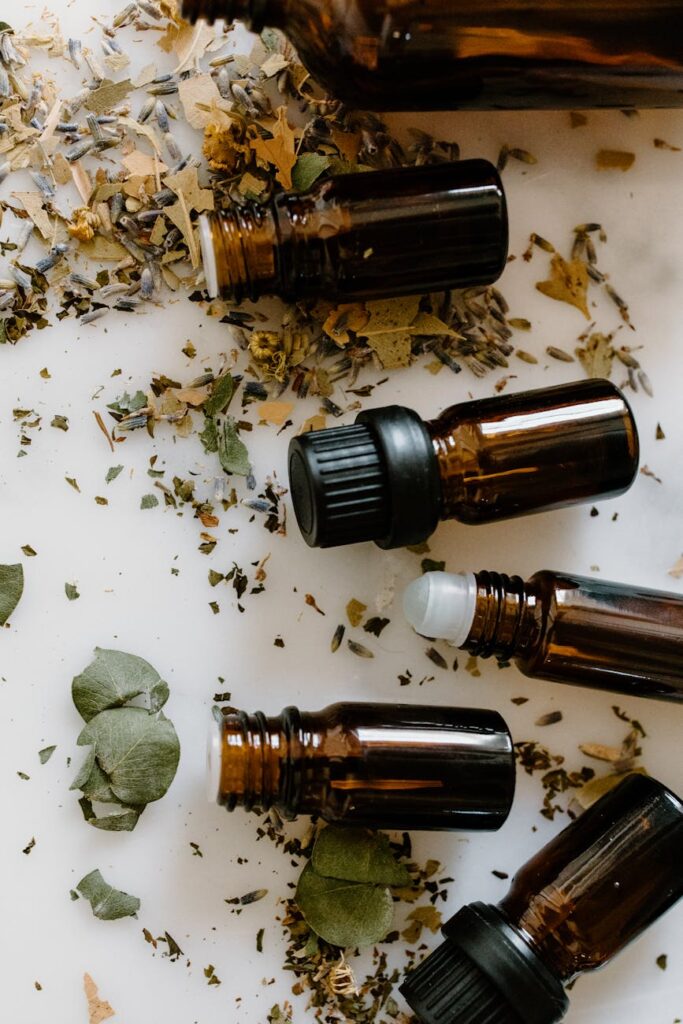
Mix the oils and store them in a dark glass bottle. This blend can be applied to the abdomen or used in a diffuser.
Safety Considerations
While aromatherapy is generally considered safe, it is essential to follow certain precautions:
1. Dilution
Essential oils are highly concentrated and should always be diluted before topical application. A common dilution is 2-3 drops of essential oil per tablespoon of carrier oil.
2. Allergies and Sensitivities
Individuals should conduct a patch test before using a new essential oil to check for any allergic reactions or sensitivities.
3. Pregnancy and Nursing
Certain essential oils may not be safe for use during pregnancy or nursing. It is advisable to consult a healthcare professional before using essential oils in these situations.
4. Medical Conditions
Those with existing medical conditions should exercise caution and consider consulting a healthcare provider, especially if they are taking medications that may interact with essential oils.
Storage and Shelf Life
Proper storage of essential oils is crucial to maintaining their efficacy. Follow these guidelines for optimal storage:
1. Dark Glass Containers
Store essential oils in dark glass bottles to protect them from light, which can degrade their quality.
2. Cool, Dry Place
Keep the oils in a cool, dry place, away from direct sunlight and heat sources.
3. Shelf Life
Most essential oils have a shelf life of 1-3 years, though citrus oils may have a shorter shelf life. Always check for any changes in aroma or consistency to determine if the oil is still usable.
Frequently Asked Questions
1. Can aromatherapy completely cure digestive disorders?
Aromatherapy can support digestive health and alleviate symptoms, but it should not be considered a cure for digestive disorders. It is best used as a complementary approach alongside other treatments.
2. How often can I use digestive health blends?
The frequency of use depends on individual needs. It is generally safe to use essential oils daily, but listening to your body and adjusting the frequency based on symptoms is essential.
3. Are there any essential oils to avoid for digestive health?
Certain essential oils, such as oregano and thyme, may be too strong for digestive issues and should be used cautiously. Always research and consult before using new essential oils.
4. Can children use aromatherapy for digestive health?
While some essential oils are safe for children, it is crucial to dilute them properly and consult a healthcare professional for guidance on specific oils suitable for children.
5. How can I enhance the effectiveness of aromatherapy for digestive health?
In addition to using essential oils, maintaining a balanced diet, staying hydrated, and managing stress can further enhance digestive health and complement the benefits of aromatherapy.
Conclusion
Aromatherapy offers a holistic approach to supporting digestive health through the use of essential oils known for their beneficial properties. By understanding the key benefits, common uses, and safety considerations, individuals can effectively incorporate digestive health blends into their wellness routines. As with any complementary therapy, it is essential to approach aromatherapy thoughtfully, considering individual needs and preferences.